

Teacher Newsletter About Student Tutoring Programs: What Families Need to Know
Why This Communication Matters
High school programs involving student tutoring programs create experiences and opportunities that families often underestimate until a student who participated describes what it meant to them. A newsletter that communicates the value, the logistics, and the access process clearly makes these opportunities available to more students.
What to Cover in Your Newsletter
Cover what the program involves, who is eligible, what the timeline and application process look like, any associated costs, and what families need to do to support their student's participation. Clear logistics remove the barriers that prevent families from engaging with programs they would otherwise support.
Skills and Outcomes Students Develop
Programs involving student tutoring programs develop skills and perspectives that are genuinely hard to develop any other way: cultural awareness, independence, professional communication, and the confidence that comes from navigating unfamiliar situations successfully.
How Families Can Support at Home
Parents can support their student by treating the program seriously, completing required forms on time, attending any informational meetings, maintaining open communication with the program coordinator, and asking engaged questions about what their student is experiencing.
Community and Recognition Opportunities
These programs often culminate in presentations, exhibitions, or recognition events that are meaningful to both students and families. A newsletter that invites families to these moments builds community and reinforces the program's value.
Assessment and What Success Looks Like
Assessment in these programs varies, but families benefit from understanding what success looks like: active participation, completion of required reflections or projects, and the quality of the experience rather than just its duration.
Building a Consistent Communication Habit
Communication about student tutoring programs programs should happen at the information stage (far enough in advance for families to decide), the preparation stage (logistics and what to expect), and the reflection stage (what students experienced and learned). This three-part structure creates a complete communication arc.
Get one newsletter idea every week.
Free. For teachers. No spam.
Frequently asked questions
What tutoring resources should high school teachers communicate to parents?
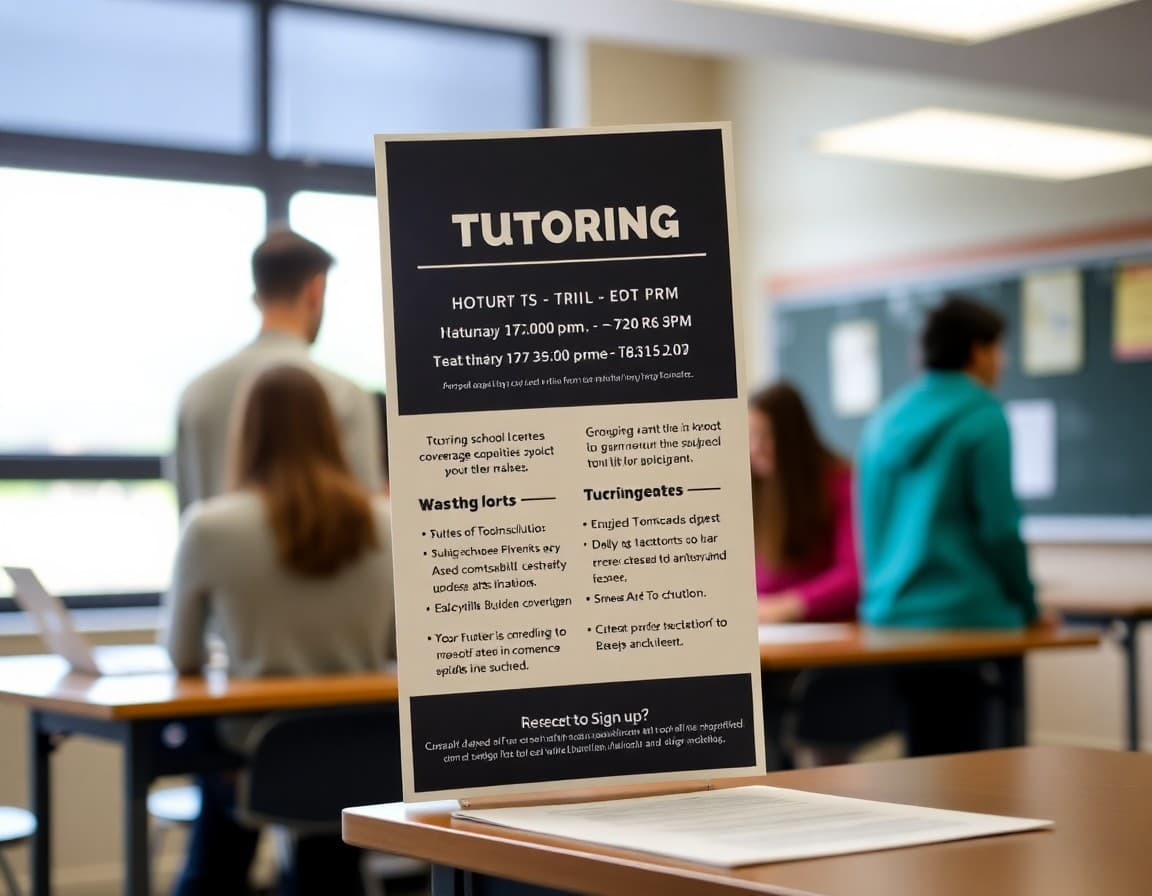
High school teachers should communicate all available tutoring options: school tutoring center hours and subjects covered, peer tutoring programs and how to sign up, teacher office hours, online resources like Khan Academy, and any community or district-provided tutoring services. Families who know all their options act on them earlier.
When should high school students seek tutoring?
Students should seek tutoring when they have struggled with the same concept for more than a week without progress, when a grade is declining rather than stable, or when they are spending significantly more time on homework than their peers without improvement. The best time to seek tutoring is before a problem becomes visible on a grade report, not after.
How does peer tutoring work in high school?
Peer tutoring pairs students who have mastered content with students who are still developing their understanding. Research shows that peer tutors often explain concepts in ways that resonate with same-age learners differently than teacher explanations do. The act of tutoring also reinforces the tutor's own mastery. A newsletter that normalizes peer tutoring as a two-way benefit increases participation.
What do parents need to do to get their student into tutoring?
The process varies by school. Most tutoring programs require a student to request an appointment or visit during open tutoring hours. Some require a teacher referral. A newsletter that explains your specific sign-up process and removes the mystery from accessing help increases the number of students who actually show up.
What tool helps high school teachers send newsletters about student tutoring programs?
Daystage is built for school communication. High school teachers use it to create formatted newsletters, manage parent and student email lists, and send updates about student tutoring programs in minutes without extra design tools.

Adi Ackerman
Author
Adi Ackerman is a former classroom teacher and curriculum writer with 8 years in K-8 schools. She writes about school communication, parent engagement, and what actually works in real classrooms.
More for High School
Ready to send your first newsletter?
3 newsletters free. No credit card. First one ready in under 5 minutes.
Get started free