
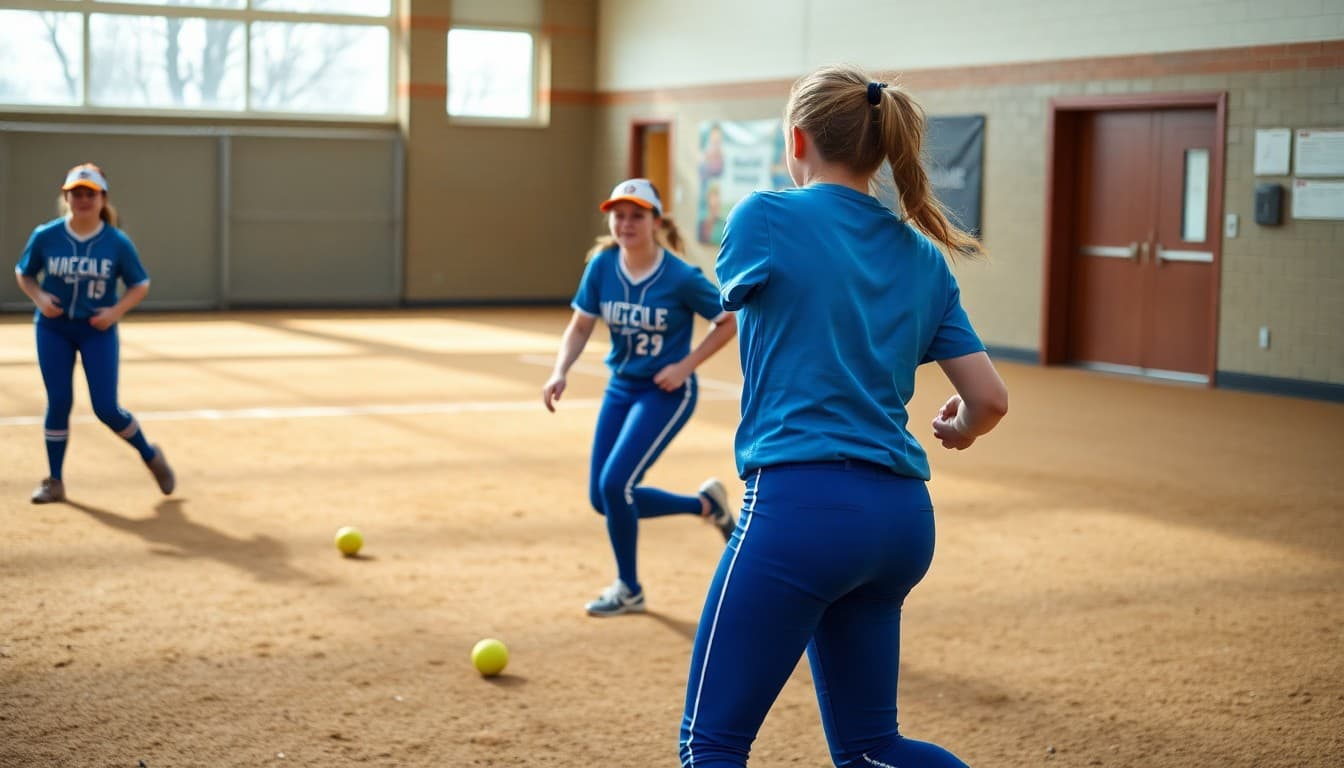
Teacher Newsletter for Softball Season: A Coach Communication Guide
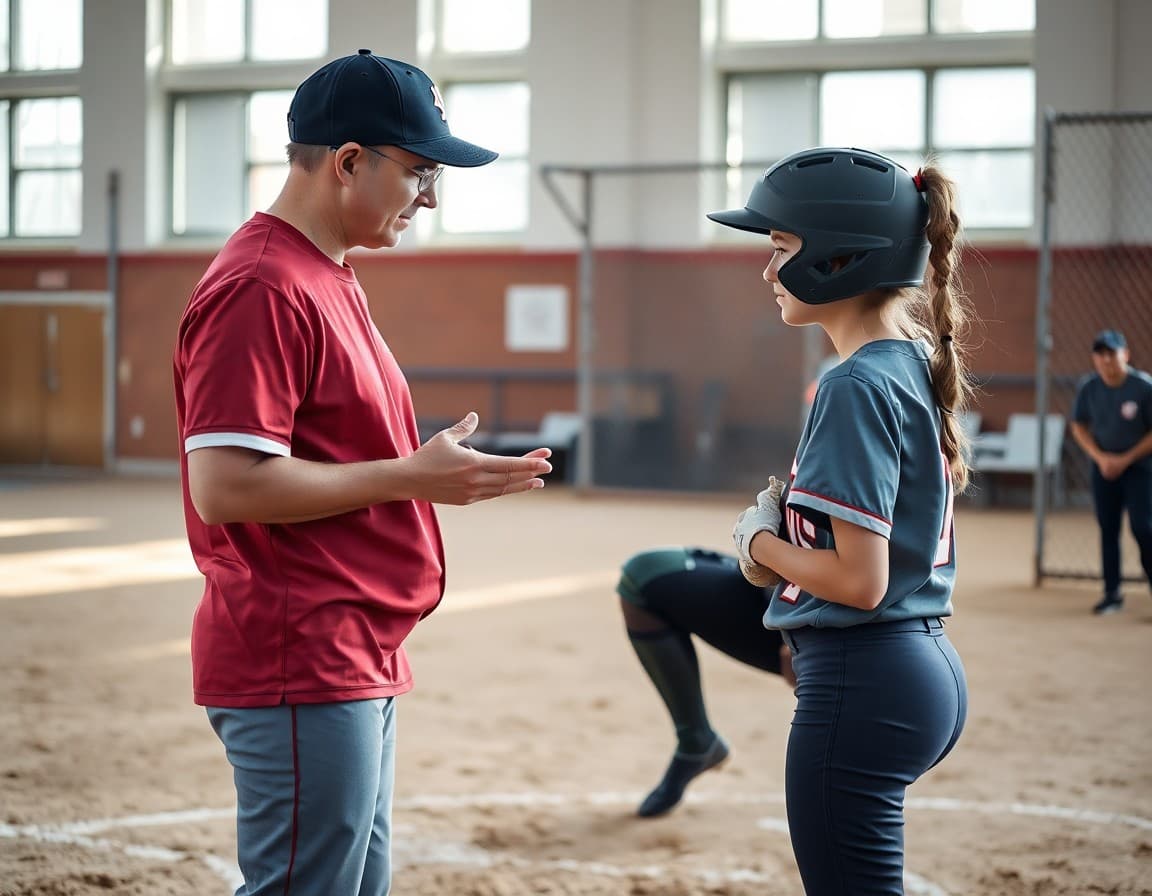
Softball season packs a full schedule into a short spring window. Parents who don't know the game calendar, the cancellation protocol, or the equipment expectations create friction that slows everything down. Your newsletter handles that before it starts.
Open With the Season Snapshot
Give families the overview: when the season runs, how many games are scheduled, and whether you have JV and varsity teams with separate schedules. If tryouts already happened and rosters are set, acknowledge that and move into logistics. If cuts were made, a brief professional note about that process, however difficult, reduces follow-up conversations.
Share the Practice Schedule
List days, times, and field location. Note any weeks when practice shifts due to Easter break, spring holidays, or facility conflicts. Let parents know what athletes should bring to every practice and whether there are indoor sessions during cold or rainy stretches. Athletes who arrive prepared to every practice develop faster.
List the Full Game Schedule
Include date, opponent, home or away, and first pitch time for every game. For away games, include the field address and team departure time. Let parents know approximately when athletes return from away games so they can plan dinner and transportation. A complete calendar in the newsletter eliminates most of the 'when is the next game' questions for the whole season.
Explain Rainout and Cancellation Protocol
Spring weather is unpredictable. Tell parents exactly how you communicate cancellations: which platform you use, how far in advance you try to notify, and what athletes should do if no message has gone out by a specific time. Clear protocol prevents parents from driving to an empty field.
Cover Equipment and Uniform Requirements
Detail what the school provides and what families need to purchase. Cleats, a batting helmet, batting gloves, and a personal glove are the standard purchases. Some state associations require a face mask for all batters, so check your rules. Uniform details, like socks and undershirt color, matter on game days and should be spelled out.
State Academic Eligibility Requirements
Athletes need to maintain the school's academic eligibility standards to practice and compete. Note when grades are checked and what the threshold is. Encourage athletes to address academic concerns proactively rather than waiting for an eligibility check to reveal a problem. Parents who know the stakes tend to stay more engaged with their student's academic standing.
Set the Tone for Spectator Behavior
A short paragraph on sideline expectations helps a lot. Encourage enthusiastic, positive support. Note that sideline coaching from parents, particularly around batting mechanics or positioning, works against the coaching the athletes are receiving at practice. Players who hear competing instructions from multiple directions struggle to develop consistent habits.
Close With Your Communication Channel
Tell parents where to find updates, game results, and schedule changes throughout the season. Daystage makes it easy to send quick updates after a game week without fielding individual texts from every parent. Consistent, reliable communication keeps the parent community informed and keeps your inbox manageable.
Get one newsletter idea every week.
Free. For teachers. No spam.
Frequently asked questions
What should a softball season newsletter include?
Cover the full game schedule with home and away designations, practice times and field location, uniform and equipment requirements, academic eligibility standards, and the process for communicating rainouts or schedule changes. If you have a fundraiser or parent volunteer needs, include that too.
What equipment do high school softball players need?
Players typically need their own cleats, helmet with a face mask if required by state rules, batting gloves, and a personal glove. The school usually provides jerseys, pants, and catcher equipment. Confirm exactly what your program supplies so families know what to purchase before the season starts.
How should coaches handle playing time questions from parents?
Set expectations in your preseason newsletter: playing time decisions are based on practice effort, skill development, and game strategy. Direct questions to a scheduled conversation after practice or via email, not during a game. Establishing this boundary early prevents sideline conflicts.
What happens if weather cancels a softball game?
Most programs have a cancellation protocol involving a specific communication channel. Your newsletter should explain how and when parents will be notified of cancellations, whether makeup games are scheduled, and what athletes should do in the meantime. This detail prevents a flood of messages every time clouds appear.
What tool works best for high school teacher newsletters?
Daystage is a solid choice for softball program communication. You can send the season schedule before the first game, share weather cancellations quickly, and recap the season at the end with a simple newsletter that reaches all program families in one send.

Adi Ackerman
Author
Adi Ackerman is a former classroom teacher and curriculum writer with 8 years in K-8 schools. She writes about school communication, parent engagement, and what actually works in real classrooms.
More for High School
Ready to send your first newsletter?
3 newsletters free. No credit card. First one ready in under 5 minutes.
Get started free