
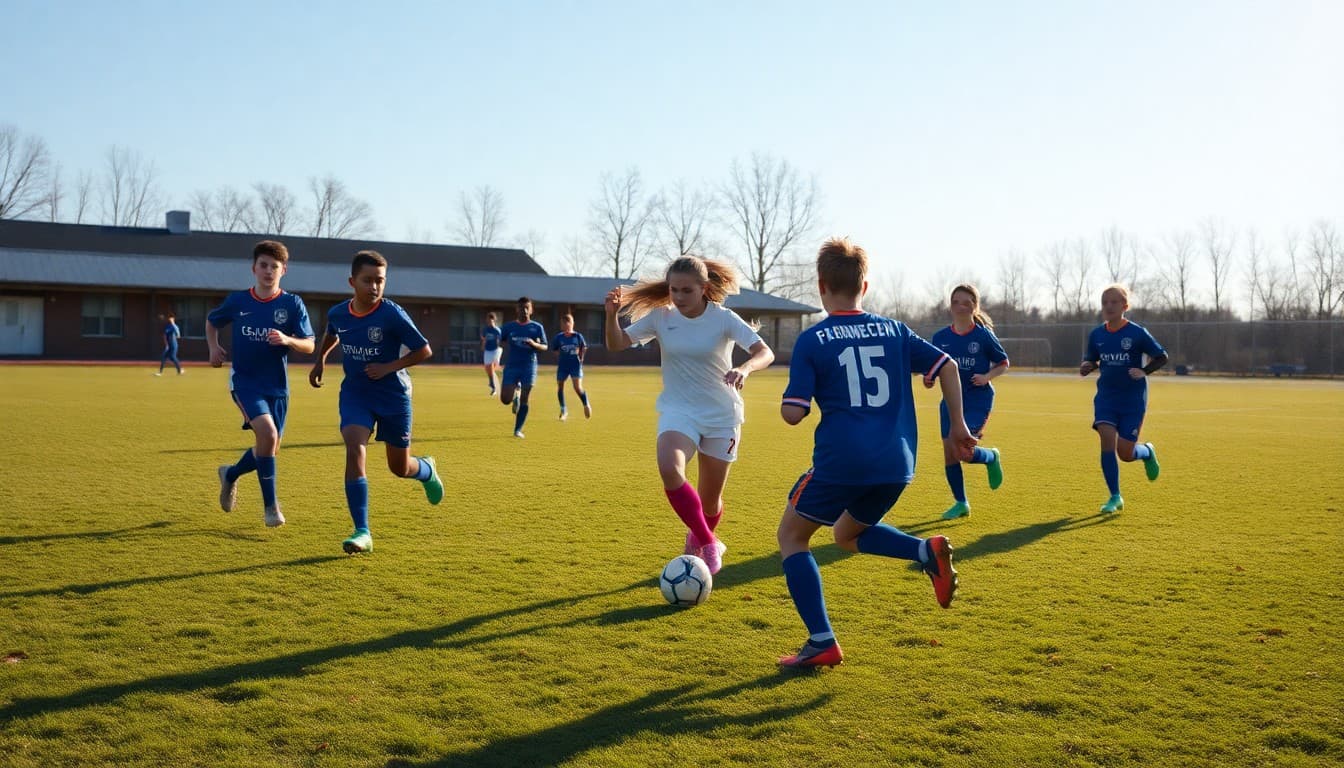
Teacher Newsletter for Soccer Season: What Families Need to Know
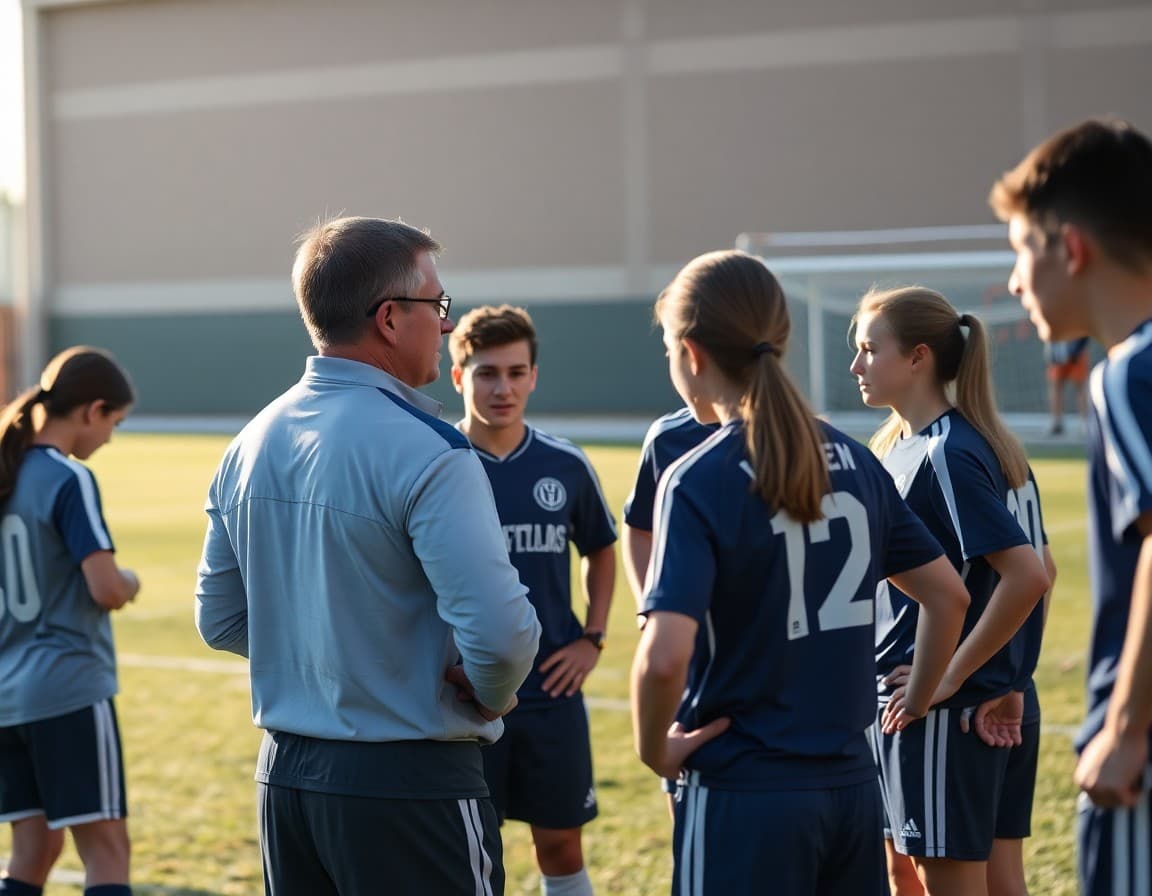
Soccer programs deal with a specific set of parent questions every season: who made the team, when are the games, what cleats does my kid need, and why isn't my child starting. A well-written newsletter before the first practice handles most of those before they arrive in your inbox.
Start With the Roster and Tryout Outcome Communication
If tryouts just happened, address this directly. Let families know how roster decisions were made and, if students were cut, what the next steps are. If your school has a reserve team or freshman team that cut players may join, mention that. A brief, professional paragraph on this reduces the painful post-tryout conversations significantly.
Share the Practice Schedule
List practice days, start and end times, and field location. Note if the practice field changes based on weather or conflicts with other sports. If athletes need to be picked up at a specific time, emphasize that. Players who wait without transportation after dark become a concern for everyone.
List the Game Schedule
Include the full schedule: dates, opponents, home or away, and kickoff times. For away games, include the address and departure time for the team bus. Let parents know what time athletes typically return from away games so they can plan pickup. If the schedule might shift due to weather, note how you communicate changes.
Cover Equipment and Uniform Requirements
Tell families what the school provides, typically game jerseys and shorts, and what athletes need to supply: cleats, shin guards, soccer socks, and a practice kit. If the school has specific color requirements for cleats or socks during games, state them. Equipment surprises in week two are avoidable.
State Academic Eligibility Requirements
Explain the grade and attendance standards athletes must meet to participate. Let parents know how often eligibility is checked and what happens if a player falls below the threshold. Athletes who are close to the edge need to know their standing before a game day becomes a problem.
Address Spectator and Sideline Expectations
Set the tone for parent behavior at games. Encourage positive support and discourage sideline coaching from the stands or negative comments toward referees. Players perform better when the sideline is calm. A professional paragraph on this in the newsletter is far more effective than addressing it during a heated moment after a call.
Explain Injury and Communication Protocols
Tell parents how to report an injury or illness before a practice or game and who to contact. Describe your concussion protocol so families understand what happens if a player takes a hit to the head. Knowing the protocol in advance reduces panic when something happens.
Close With How Updates Will Be Shared
Tell parents where to find game results, schedule changes, and mid-season updates. Daystage makes it easy to send quick updates after each game week without writing individual texts or emails. One consistent channel keeps families informed and keeps your communication manageable through a busy season.
Get one newsletter idea every week.
Free. For teachers. No spam.
Frequently asked questions
What should a soccer season newsletter cover?
Include the practice schedule, game calendar with home and away designations, tryout process if still relevant, equipment and uniform requirements, academic eligibility standards, and team conduct expectations. If you have a booster club, include volunteer and fundraising information.
When should coaches send the first soccer newsletter?
Send an initial newsletter before the first practice. Families need the schedule, eligibility reminders, and gear expectations before the season starts. A preseason newsletter reduces confusion during the first week when athletes and parents are still finding their footing.
How do parents handle the sideline behavior expectations?
Clear communication upfront works better than addressing it after an incident. A short section in your newsletter on spectator behavior, keeping sideline coaching to a minimum and directing questions to coaching staff after games, goes a long way toward creating a positive environment.
What happens if a soccer athlete falls below academic eligibility?
Athletes who fall below eligibility standards cannot practice or compete until grades improve to meet the threshold. Eligibility checks typically happen weekly or at each marking period, depending on state and district rules. Your newsletter should make this clear before athletes and families discover it the hard way.
What tool works best for high school teacher newsletters?
Daystage is practical for soccer programs. You can send the season schedule, game recaps, and updates on weather cancellations without relying on paper handouts that get lost in backpacks. Consistent digital communication keeps the whole program running more smoothly.

Adi Ackerman
Author
Adi Ackerman is a former classroom teacher and curriculum writer with 8 years in K-8 schools. She writes about school communication, parent engagement, and what actually works in real classrooms.
More for High School
Ready to send your first newsletter?
3 newsletters free. No credit card. First one ready in under 5 minutes.
Get started free