

Teacher Newsletter About Phone Policy: Communicating Rules to High School Families
Why This Communication Matters
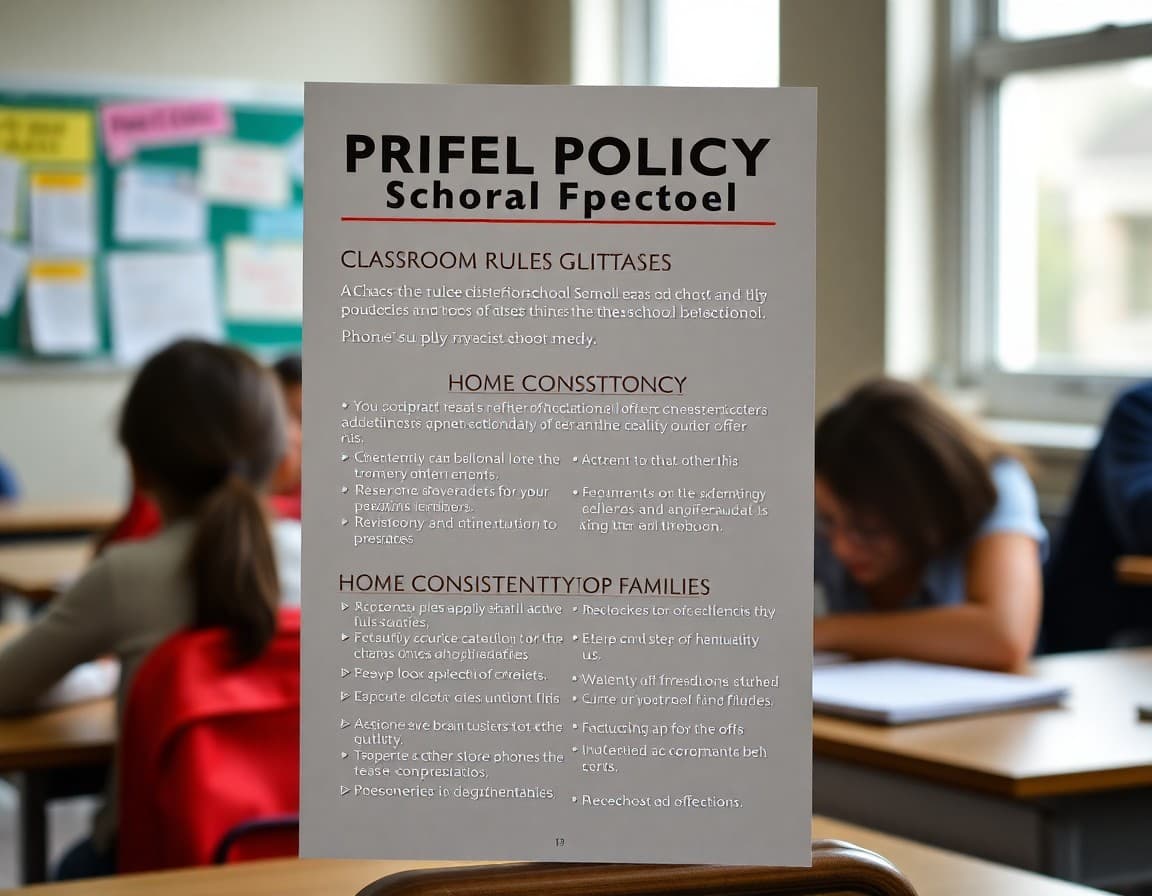
Phone policies in high school classrooms are more effective when families understand the academic rationale and reinforce the same expectations at home. A newsletter that explains the policy, the research behind it, and what families can do at home builds the consistent environment that benefits student focus.
What to Include in Your Newsletter
State the policy clearly and specifically: where phones must be during class, when and how students can access them, and what the consequence for policy violation is. Vague policies create enforcement inconsistency. Specific policies create clear expectations for everyone.
Connecting to Academic and Personal Development
Every program and assignment in high school connects to skills and opportunities that matter beyond the immediate task. Frame your newsletter in terms of what students are developing: communication skills, analytical thinking, professional habits, or specific domain knowledge. Parents who understand the bigger picture take the details more seriously.
Practical Information Families Need
Explain the research connection in plain language. The working memory reduction from phone visibility is documented in multiple studies. Students and parents who understand this mechanism respond to the policy differently than those who see it as arbitrary control. One or two sentences of research context changes the entire tone of the communication.
How Parents Can Support at Home
Address how families can reinforce the habit at home. A student who practices phone-free work sessions at home develops the focus skill that makes the classroom policy feel natural rather than imposed. Suggest specific home practices: a designated phone charging spot away from the homework space, a phone-free hour before bed, and modeled focus during family time.
Communicating During the Program or Season
An initial newsletter launches the conversation. Mid-program updates sustain it. A brief note covering current progress, upcoming milestones, and any schedule changes prevents the drift that happens when parents go several weeks without contact. Keep follow-up communications shorter than the launch newsletter and focused on what families need to act on right now.
Building Communication That Lasts the Year
If your school is implementing a new or more restrictive phone policy, send the newsletter before the policy takes effect. Students who arrive on the first day of a new policy already understanding it from a family conversation make significantly smoother transitions than those who encounter it cold. Use a consistent template and a tool like Daystage to keep the sending process fast enough that the habit survives the busiest weeks of the school year.
Get one newsletter idea every week.
Free. For teachers. No spam.
Frequently asked questions
What should a high school phone policy newsletter include?
A phone policy newsletter should explain the specific rule (where phones go during class, when they can be accessed), the academic reason behind it, what happens when a student violates the policy, and how families can reinforce phone management habits at home. A newsletter that explains the why behind the rule earns more family buy-in than one that simply announces a new restriction.
Why do high school teachers restrict phone use in class?
Research consistently shows that having a phone visible on a desk, even face down and silent, reduces working memory capacity and cognitive performance on demanding tasks. High school classrooms require the kind of focused attention that phones actively undermine. A teacher who communicates this research connection in a newsletter helps families understand the policy as an academic decision, not a power struggle.
How should high school teachers communicate phone policy changes?
Communicate any policy change or tightening of an existing policy before it takes effect, not after enforcement becomes an issue. Explain what the new policy is, when it starts, how it will be enforced, and what the consequence for violations is. Families who receive advance notice of policy changes can prepare their student and avoid the conflict that comes from surprise enforcement.
How can parents reinforce good phone habits at home for high school students?
Parents can reinforce school phone policies at home by establishing a phone-free homework environment, charging phones outside the bedroom overnight, modeling focused phone use themselves during family interactions, and discussing the research on phone distraction and cognitive performance in terms their student can relate to. Consistent home habits support classroom policies more effectively than rules alone.
What tool helps high school teachers send newsletters about this topic?
Daystage is built for school communication. High school teachers use it to create formatted newsletters with program details, key dates, and guidance for families, then send them to parent email lists in minutes without extra design work.

Adi Ackerman
Author
Adi Ackerman is a former classroom teacher and curriculum writer with 8 years in K-8 schools. She writes about school communication, parent engagement, and what actually works in real classrooms.
More for High School
Ready to send your first newsletter?
3 newsletters free. No credit card. First one ready in under 5 minutes.
Get started free