

Teacher Newsletter for Marching Band: Everything Families Need
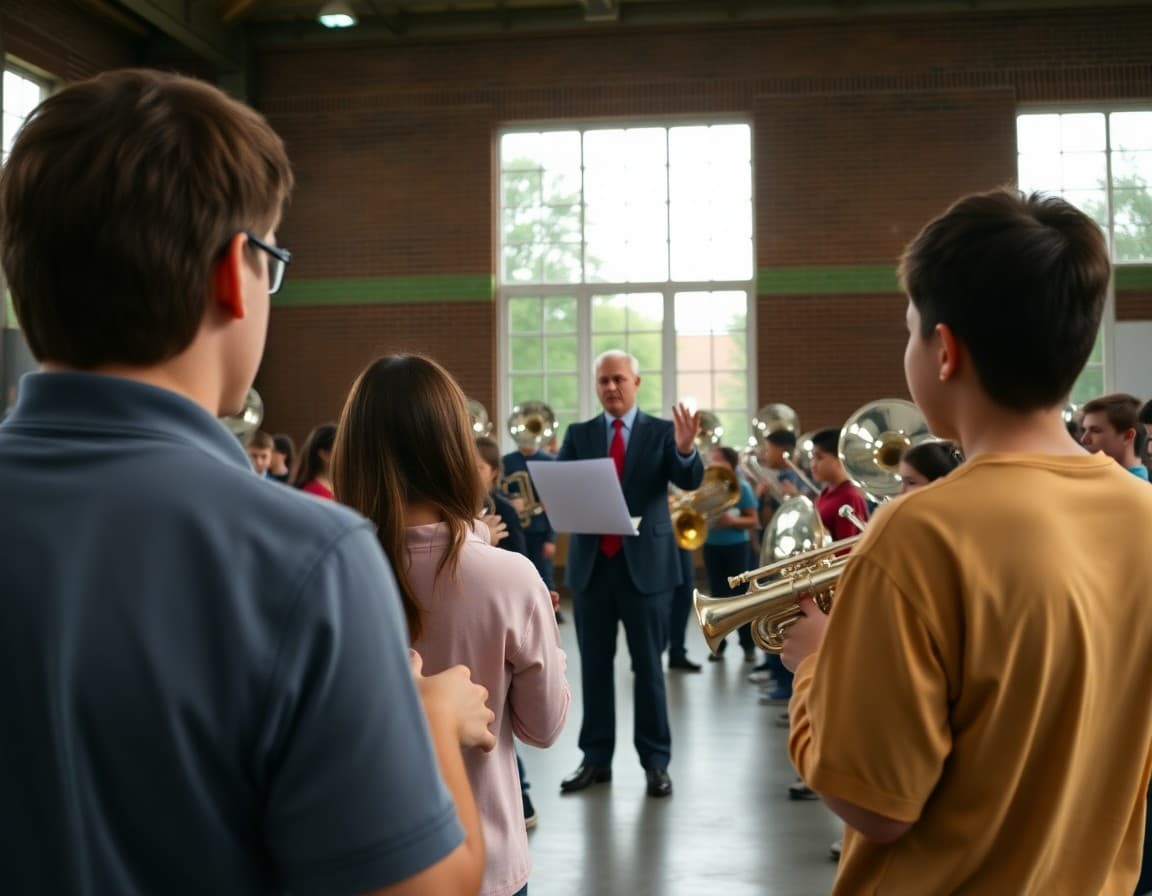
Marching band is one of the most commitment-intensive school activities. Band camp before school starts, football game performances every weekend, Saturday competitions throughout the fall, and often a winter guard or indoor percussion program layered on top. Families who aren't prepared for that schedule have a hard time supporting it. Your newsletter changes that.
Start With Band Camp
For most marching programs, band camp is where the season actually begins. Your first newsletter should cover band camp dates, daily schedule, what students need to bring each day, whether meals are provided or packed, any health or emergency contact forms due before camp starts, and what students will learn and accomplish during that week. Families who know what band camp involves send better-prepared students.
Share the Full Fall Performance Schedule
List every football game halftime performance, home and away, with dates, kickoff times, and when the band needs to arrive. Add the competition schedule separately with venues and performance times. For any overnight trips or extended travel, those get their own section. A complete schedule in the first newsletter saves you from answering 'when is the next performance' individually for months.
Cover Uniform Requirements and Care
Describe the full uniform: what the school provides and what families purchase. Include shoe style and color, glove requirements, and any show-specific accessories. Explain how uniforms should be maintained, stored, and returned. Uniforms that get damaged through improper care create unnecessary expense. Giving families clear instructions upfront prevents most of that.
Explain Instrument Logistics
Tell families how instrument rental, purchase, or loan programs work for students who don't own their instruments. Note which instruments are school-owned and how to check them out. For families purchasing instruments, give guidance on appropriate brands and quality levels for high school marching use. A student with an undersized beginner instrument struggles to develop at the same rate as their peers.
Describe the Competition Weekend Experience
Competitions are long, public events with specific logistics. Explain what the day looks like: when students arrive, when warmups happen, the performance time, and when the band returns. Tell parents where they can watch, how scoring works, and what to expect from the announcements and awards ceremony. First-time competition families who go in knowing what to expect enjoy the experience far more.
Address Fundraising Expectations
If the band program runs fundraisers, let families know from the beginning. Describe what fundraisers are planned, whether participation is expected, and how proceeds are used. Families who understand why fundraising happens and what it funds are more motivated to participate. Surprise fundraising requests mid-season generate resentment.
Set Rehearsal and Attendance Expectations
Marching band is a team effort in the most literal sense. One missing person creates a visible gap in the formation. State your attendance policy clearly: how many absences are allowed before they affect the student's role, how to communicate an absence in advance, and what the makeup process looks like. Students and families who understand the stakes tend to protect their attendance.
Close With Communication Plans for the Season
Let families know where to find updates, schedule changes, and competition results throughout the fall. Daystage makes it easy to send quick updates before and after major events so band families never feel out of the loop. For a program that demands as much from families as marching band does, consistent communication is what sustains support all season.
Get one newsletter idea every week.
Free. For teachers. No spam.
Frequently asked questions
What should a marching band newsletter include?
Cover band camp dates and logistics, the fall performance and competition schedule, uniform requirements and care instructions, instrument rental or purchase information, fundraising expectations, and any travel or overnight trip details. Marching band has more logistics than most school activities, so thorough communication from the start reduces friction.
How do you communicate band camp details to families?
Band camp is intensive and unfamiliar to many new families. Your newsletter should cover dates, daily schedule, what to bring, meals provided versus packed, health forms required, and what students will accomplish. Families who know what band camp involves send their students better prepared physically and mentally.
What uniform costs should marching band families expect?
Most schools provide the marching uniform itself. Families typically purchase black shoes, gloves, and sometimes a show shirt. If there are additional costume pieces for the show design, note those and any associated costs. Deadlines for purchasing required items should be clearly stated.
How are competition weekends structured?
Marching band competitions are typically day-long events held at a host school or stadium. Your newsletter should explain the performance schedule, when and where parents can watch, parking and spectator logistics, and when students will return. Competition days involve full family participation and need clear advance communication.
What tool works best for high school teacher newsletters?
Daystage is a strong choice for marching band programs. The season involves dozens of moving pieces across months of performances and travel. Sending consistent, well-organized newsletters through Daystage keeps all band families on the same page without requiring a separate communication platform for every trip or event.
Adi Ackerman
Author
Adi Ackerman is a former classroom teacher and curriculum writer with 8 years in K-8 schools. She writes about school communication, parent engagement, and what actually works in real classrooms.
More for High School
Ready to send your first newsletter?
3 newsletters free. No credit card. First one ready in under 5 minutes.
Get started free