
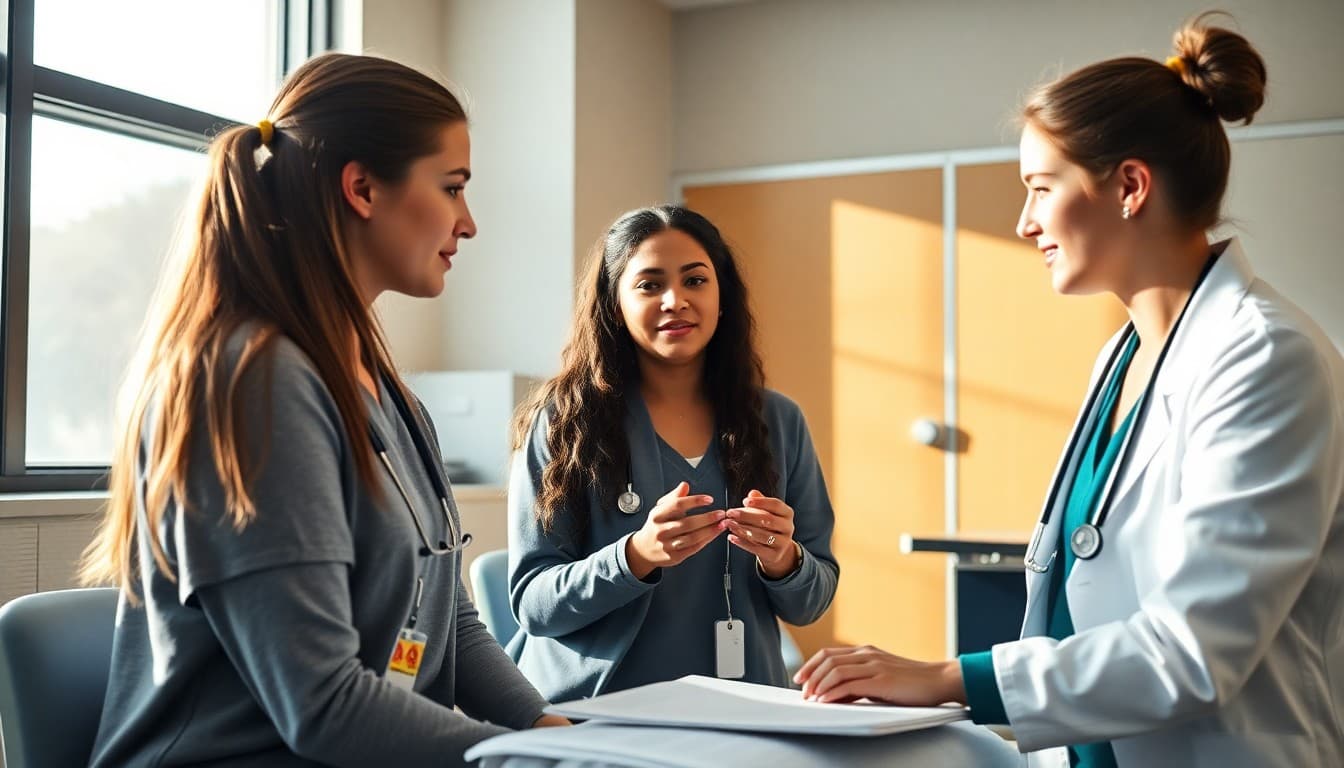
Teacher Newsletter for Health Sciences Pathways: What Families Need to Know
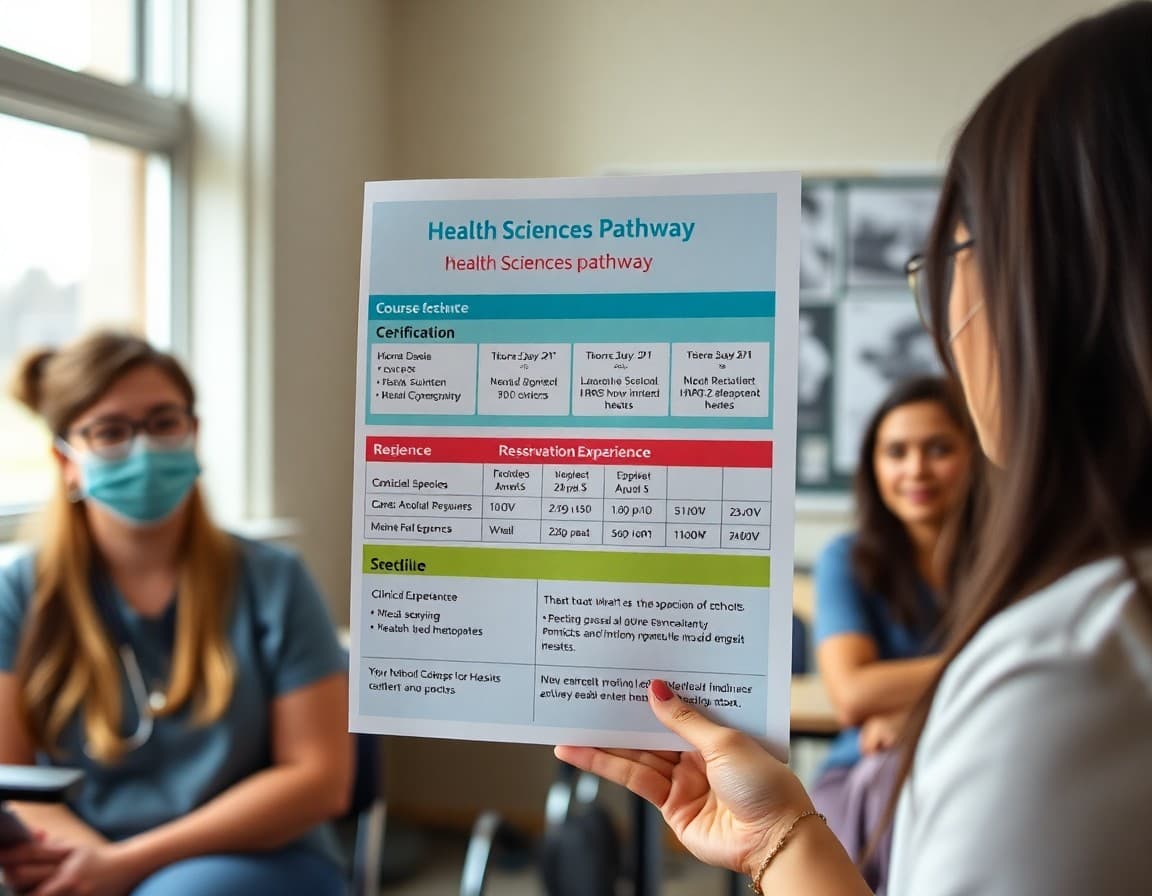
What a Health Sciences Pathway Actually Prepares Students For
A high school health sciences pathway is one of the most direct connections between classroom learning and professional practice available to secondary students. Students gain clinical skills, earn nationally recognized certifications, and develop the professional habits that healthcare employers expect. A newsletter that explains these concrete outcomes helps families understand why the pathway is a serious investment, not just an interesting elective.
The Course Sequence and Its Logic
Health sciences pathways progress from foundational health science courses through clinical specialization. Foundational courses cover anatomy, medical terminology, healthcare ethics, and basic clinical skills. Advanced courses cover specific healthcare roles including nursing, emergency medicine, or therapeutic services. A newsletter that maps the full sequence helps families support intentional enrollment decisions rather than reactive ones.
Certifications: What Students Can Earn and When
Certification requirements vary by state, but health sciences students who earn industry credentials before graduation have a real employment advantage. A newsletter that explains which certifications are available, what the requirements are (written exams, skills demonstrations, clinical hours), and when the certification windows occur gives families a timeline they can support. Missing a certification opportunity in a pathway often means waiting a full year.
Clinical Placements: What Families Need to Know
Clinical experience requires preparation and professionalism that families need to understand. Students must often complete background checks, demonstrate specific clinical competencies, follow dress codes, and behave according to professional standards during placements. A newsletter that explains these requirements before the placement begins prevents last-minute logistics problems and helps families take the professional component seriously.
Academic Prerequisites for Healthcare College Programs
Students planning to pursue nursing, medicine, or allied health programs in college need a specific academic foundation in biology, chemistry, and mathematics. A newsletter that connects the health sciences pathway to the required academic prerequisites, and flags any gaps students should address before graduation, gives families actionable information rather than general encouragement.
Supporting a Future Healthcare Professional at Home
Families can support health sciences pathway students by discussing their clinical experiences, asking about the healthcare roles they are observing, and encouraging their student to reflect on whether each healthcare setting they experience aligns with their interests. Students who can articulate why they want to pursue a specific healthcare career, based on real exposure, write stronger college application essays and interview better for healthcare programs.
Consistent Communication With Daystage
Health sciences pathway teachers who use Daystage for program newsletters keep families informed about certification timelines, clinical placement dates, and college preparation milestones. Regular communication builds the family engagement that supports students through a demanding and rewarding program.
Get one newsletter idea every week.
Free. For teachers. No spam.
Frequently asked questions
What should a health sciences pathway newsletter explain to families?
A health sciences pathway newsletter should explain the program's course sequence, what certifications students can earn (such as CNA or EMT), what clinical or work-based learning experiences are available, the academic prerequisites for health science college programs, and what families can do to support their student's preparation for a healthcare career.
What certifications can students earn in a high school health sciences pathway?
Depending on state regulations and program design, high school health sciences students may be able to earn Certified Nursing Assistant (CNA) certification, Basic Life Support (BLS/CPR) certification, Phlebotomy certification, Emergency Medical Responder credentials, or health science pathway-specific state credentials. These certifications have real employment value and can accelerate college healthcare programs.
What is clinical experience in a high school health sciences pathway?
Clinical experience places students in real healthcare settings, such as hospitals, nursing homes, clinics, or rehabilitation centers, to observe and assist under supervision. Clinical hours develop professional habits, confirm career interest, and often count toward CNA or other certification requirements. Families should understand the logistics and expectations of clinical placements before their student enrolls.
How does a health sciences pathway connect to college?
Health sciences pathway completers who have earned clinical certifications and have documented experience enter pre-nursing, pre-medicine, or allied health programs with a significant advantage. Some community colleges offer direct credit for CTE health science coursework. Families who understand these connections can help their student leverage pathway completion in college applications.
What tool helps teachers send newsletters efficiently?
Daystage is built for school communication. Health sciences pathway teachers use it to send formatted newsletters with certification timelines, clinical placement information, and college preparation notes directly to parent email lists.

Adi Ackerman
Author
Adi Ackerman is a former classroom teacher and curriculum writer with 8 years in K-8 schools. She writes about school communication, parent engagement, and what actually works in real classrooms.
More for High School
Teacher Newsletter for CTE Pathways: Communicating Career Education to Families
High School · 6 min read
Teacher Newsletter for STEM Pathways: Communicating Program Goals to Families
High School · 6 min read
Teacher Newsletter for AP Science Units: Helping Families Understand Lab and Exam Work
High School · 6 min read
Ready to send your first newsletter?
3 newsletters free. No credit card. First one ready in under 5 minutes.
Get started free