
Teacher Newsletter for Golf Season: What to Communicate to Families
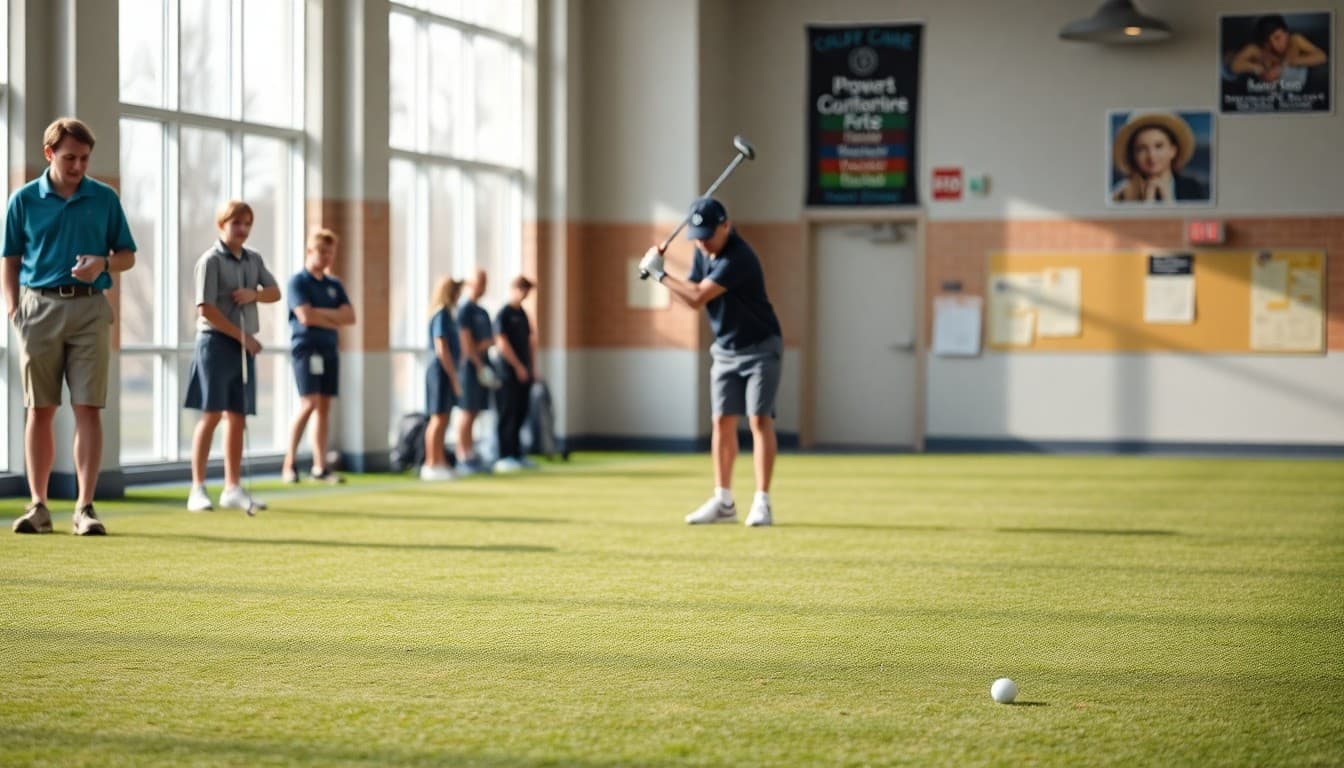
Golf programs operate differently from team sports, and parents who are new to high school golf often don't understand how team matches work, how many players compete, or how scores translate to a team result. Your newsletter is where those basics get covered so the season makes sense to everyone following it.
Start With How High School Golf Works
One paragraph explaining the format, team matches at local courses, individual score reporting, and how the team score is calculated, gives new golf parents the foundation they need. Even experienced golf families benefit from knowing your specific conference's format, since rules vary by region.
Explain Lineup Selection
Tell families how you determine which golfers compete in each match. If you carry twelve players and only six compete, explain how selection works. Qualifying rounds, rolling scoring averages, and practice performance are all legitimate criteria. Being transparent about the process removes ambiguity and helps athletes understand what they need to work on.
Share the Match Schedule and Course Information
List every match with date, host course, tee time, and whether spectators are welcome. For public courses, parents can often follow along on the course as long as they understand the etiquette involved. For private clubs, spectator access may be limited. Note these details clearly so families know what to expect.
Cover Equipment and Attire Requirements
Describe what athletes need to bring: clubs, golf shoes, and appropriate attire. List the dress code requirements for match days, including shirt collar requirements and appropriate shorts or pants. If the course has specific additional requirements, include those too. Equipment and attire surprises on match day are avoidable.
Describe Course Etiquette Expectations
Golf has a specific etiquette culture that athletes need to understand and model. Repair divots and ball marks, rake bunkers, stay quiet during others' shots, and keep pace of play. These aren't suggestions. They're part of representing your school well on a shared course. Naming them in your newsletter reinforces their importance.
Share How Scores Are Reported
Let parents know how they'll find out match results. If you post scores on a school athletics page, link to it. If you send a quick newsletter recap after each match, say that. Golf matches happen across large courses and parents watching often can't follow the whole round. Knowing results will be shared reliably reduces the post-match text messages.
Address Academic Eligibility
Golf season overlaps with spring semester for most schools, which is a critical academic period especially for juniors and seniors. Remind athletes and families of the eligibility requirements and encourage students to stay on top of coursework from the start of the season rather than waiting for a grade check to reveal a problem.
Close With Communication Details
Tell parents how to reach you and where season updates live. Daystage makes it simple to send a mid-season update or a quick note after a big match without fielding individual inquiries. One consistent communication channel for the whole golf program makes everyone's experience better.
Get one newsletter idea every week.
Free. For teachers. No spam.
Frequently asked questions
What should a golf season newsletter include?
Cover the match schedule and host courses, the scoring format used for team competition, how lineup spots are determined, equipment and attire requirements, course etiquette expectations, academic eligibility standards, and how match results are reported to parents.
How are golf team lineups determined in high school?
Most coaches use qualifying rounds or recent scoring averages to determine who plays in team matches. Many programs carry more players than compete in each match, so the newsletter should explain how many golfers compete per match and how the selection process works.
What attire is required for high school golf?
Most golf programs follow course dress codes: collared shirts, tailored shorts or pants, and golf shoes with soft spikes. Some courses have specific requirements that your team must follow on match days. Your newsletter should list these requirements clearly so families don't send athletes in athletic shorts on match day.
How does team scoring work in high school golf?
Most high school golf teams use the five best scores from a round of six to seven players. A stroke play format is common, with the lowest combined score winning. Some programs use match play. Your newsletter should explain whichever format your conference uses so parents can follow along.
What tool works best for high school teacher newsletters?
Daystage works well for golf program communication. You can share the match schedule, course information, and score recaps after each round in one place that golf families can check throughout the season. Consistent updates keep parents engaged with a sport that can be hard to follow in real time.

Adi Ackerman
Author
Adi Ackerman is a former classroom teacher and curriculum writer with 8 years in K-8 schools. She writes about school communication, parent engagement, and what actually works in real classrooms.
More for High School
Ready to send your first newsletter?
3 newsletters free. No credit card. First one ready in under 5 minutes.
Get started free