
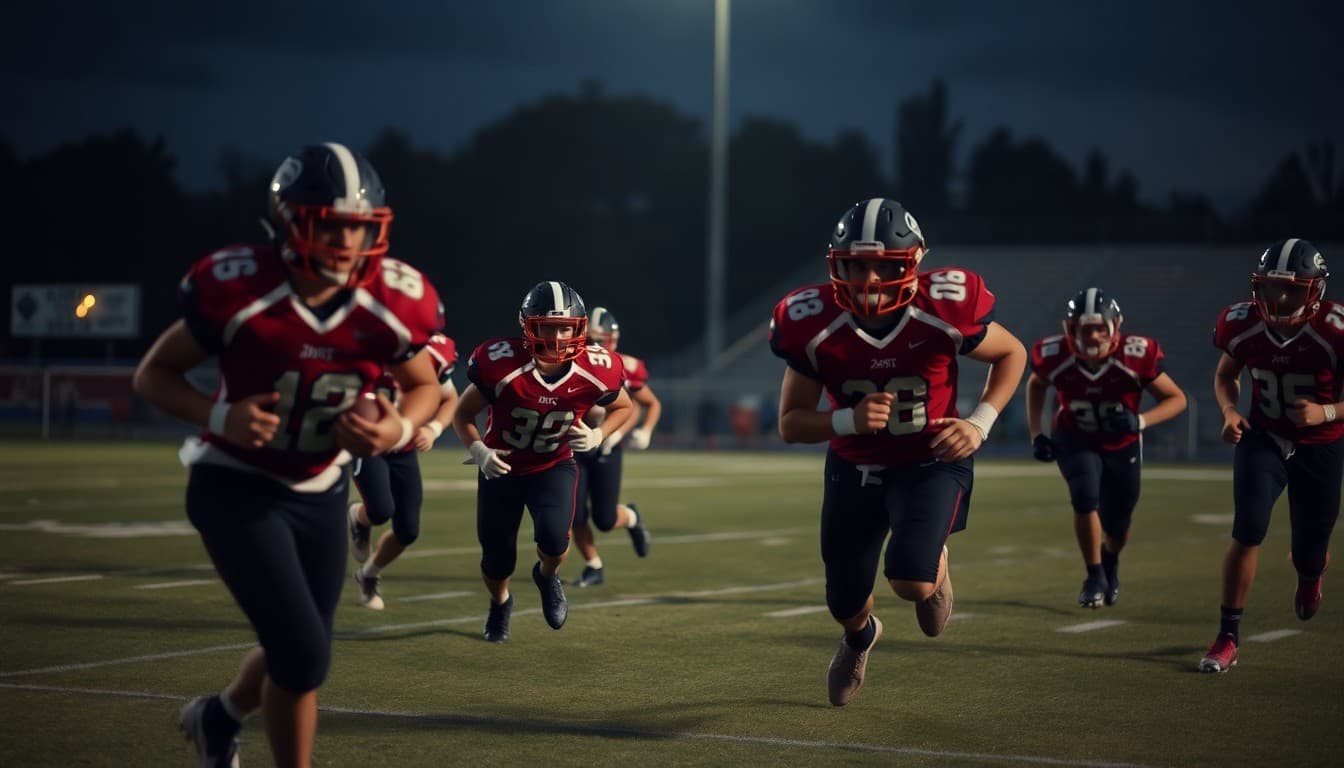
Teacher Newsletter for Football Season: Keeping Families in the Loop
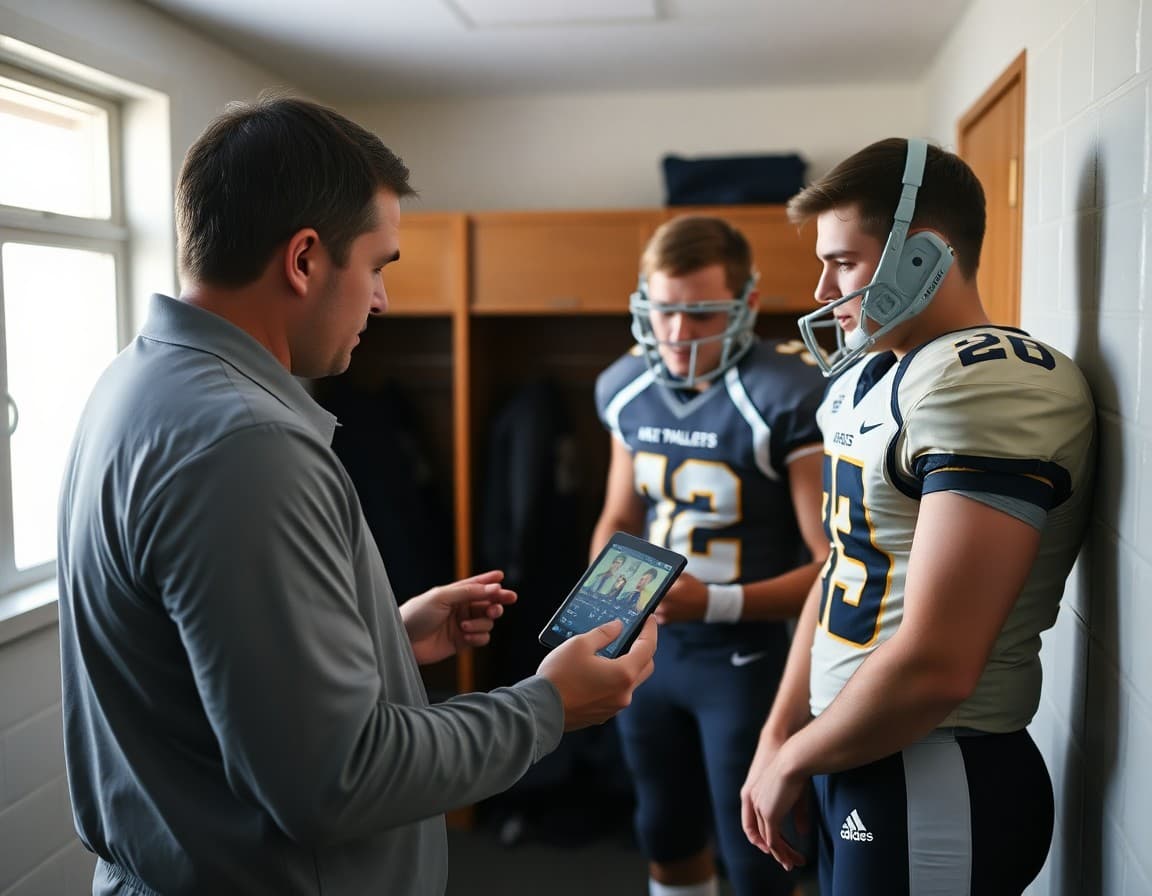
Football programs involve more people, more logistics, and more community attention than almost any other school activity. Parents, boosters, alumni, and community members all follow the team. Your newsletter is the primary communication tool for the program, and it needs to carry a lot of information clearly.
Open With the Preseason Overview
Cover the preseason structure: when two-a-days or summer conditioning begins, when equipment fittings happen, and when the first official practice starts. If athletes need to complete physicals or clearance paperwork before participating, include those deadlines. Families who know the preseason calendar show up on time and prepared.
Share the Game Schedule
List the full schedule with dates, opponents, home or away designation, and kickoff times. For home games, note stadium address, parking information, and admission policy. For away games, include the field address and bus departure time. Friday night football often involves community-wide attendance, so spectator logistics deserve thorough coverage.
Cover Equipment Fitting and Requirements
Tell families when and where equipment fittings happen. Describe what the school provides and what athletes purchase. Cleats, mouth guards, and compression gear are typically personal items. If there are helmet certification requirements or recertification schedules for existing helmets, include those. Equipment fit directly affects safety.
Describe the Concussion and Injury Protocol
Football carries real physical risk, and parents want to know how the program handles injuries. State your concussion protocol explicitly: remove the athlete from practice or the game at the first sign of symptoms, no return until cleared by a medical professional. Describe how the program communicates an injury to parents during a game or practice.
Address Academic Eligibility
Football season runs through the fall marking period, which is the first major academic checkpoint of the year. Athletes who enter the season academically behind often hit eligibility problems by October. Encouraging grade monitoring from the first week of school, not just the first eligibility check, prevents the losses that hurt the team more than any opponent.
Set Player Conduct Expectations
Football players are highly visible in the school community. Their behavior in the hallways, on social media, and in the community reflects the program. A short paragraph on the standards you hold is worth including. It's easier to reference a stated expectation later than to create one in response to an incident.
Include Booster and Volunteer Information
If your program has a booster organization, concession stand volunteers, or chain crew needs at home games, your newsletter is the right place to mention those opportunities. Parents who feel connected to the program as participants, not just spectators, tend to stay more positive and supportive through the season.
Tell Families How to Stay Informed
Let parents know where you share game results, schedule updates, and program announcements. Using Daystage for consistent football program communication means one place for parents to check rather than hunting through the school website, a Twitter feed, and a group text chain simultaneously.
Get one newsletter idea every week.
Free. For teachers. No spam.
Frequently asked questions
What should a football season newsletter include?
Cover the game schedule, two-a-day or preseason practice information, equipment fitting dates, concussion and injury protocols, eligibility requirements, player conduct expectations, and spectator policies for home games. Football is one of the most communication-intensive sports, and families expect regular updates.
How do you handle concussion protocol communication in a football newsletter?
State your program's concussion protocol clearly: any player who shows symptoms is removed from practice or the game immediately and cannot return without clearance from a qualified healthcare provider. Parents who know this policy in advance are more likely to report symptoms accurately rather than minimizing them.
What equipment do high school football players receive from the school?
Most programs provide helmets, shoulder pads, pants, and game jerseys. Athletes typically need to purchase cleats, a mouth guard, and practice gear. Confirm your specific program's equipment policy and include any fitting dates in your preseason newsletter.
How should football coaches address position and playing time questions?
Address it in the preseason newsletter: position and playing time decisions are made by the coaching staff based on practice performance, film review, and game needs. Questions are best handled in scheduled conversations, not on game nights. Setting this expectation in writing is more effective than doing it verbally.
What tool works best for high school teacher newsletters?
Daystage is well-suited for football program communication. You can share the season schedule, game recaps, booster information, and mid-season updates in one platform that reaches all football families consistently. For a program with the visibility and community investment that football carries, reliable communication matters.

Adi Ackerman
Author
Adi Ackerman is a former classroom teacher and curriculum writer with 8 years in K-8 schools. She writes about school communication, parent engagement, and what actually works in real classrooms.
More for High School
Ready to send your first newsletter?
3 newsletters free. No credit card. First one ready in under 5 minutes.
Get started free