
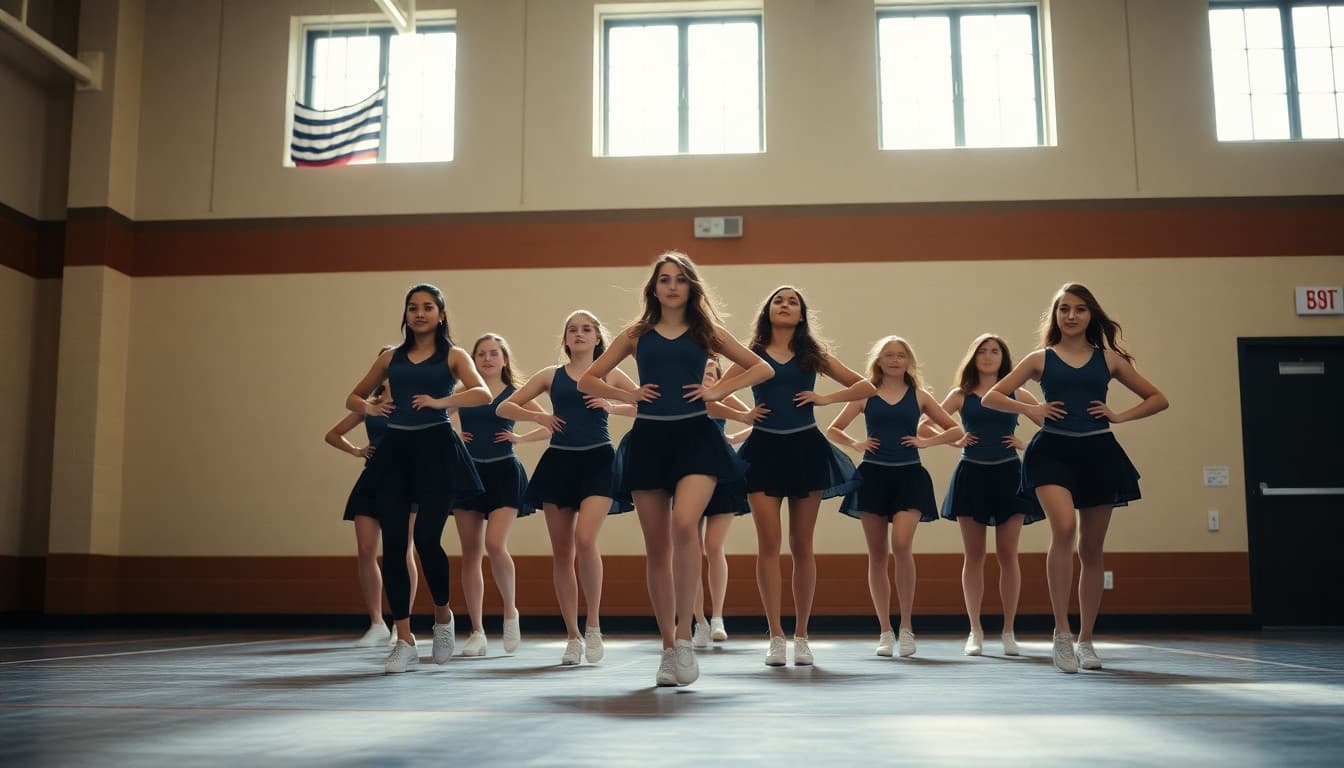
Teacher Newsletter for Dance Team: What Families Need to Know
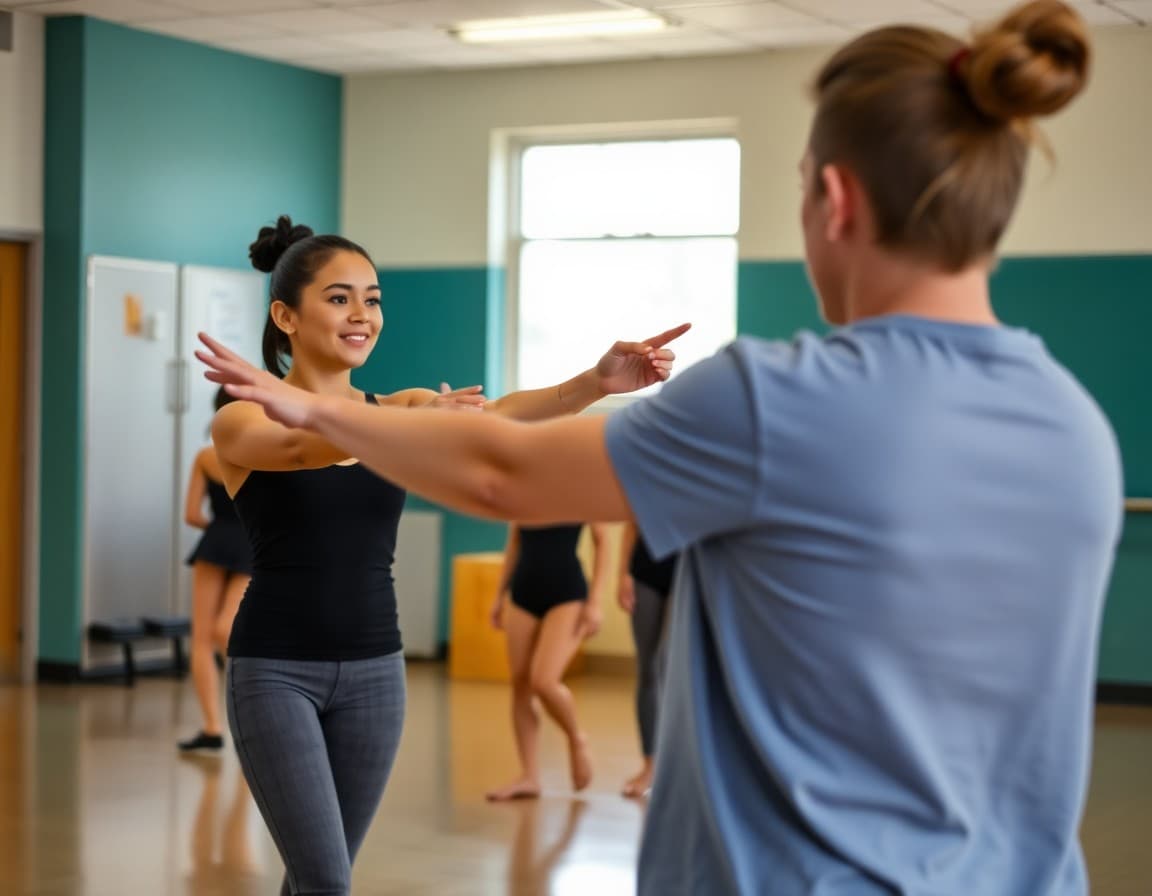
Dance teams occupy a unique space in the school activity landscape: part performance art, part athletic competition, part school spirit representation. Parents who don't understand all three dimensions sometimes push back on the commitment level or the competition focus. Your newsletter is where you frame the program accurately from the start.
Define What Your Dance Team Does
A brief description of your program, covering whether you perform at games, compete at invitational or regional competitions, participate in halftime shows, or all of the above, gives families the right expectations from day one. Programs that compete have a different intensity level than those that are purely sideline, and families who understand that make better decisions about commitment.
Address Tryout Outcomes Professionally
If auditions just concluded, acknowledge them. A short paragraph on how decisions were made and what options exist for students who weren't selected prevents the conversations that happen in parking lots and eventually in the principal's office. If your school has a junior dance team, beginner class, or workshop series for students who are developing, mention those pathways.
Share the Rehearsal Schedule
List all regular rehearsal times and locations. Note any additional rehearsals before major performances or competitions. If summer or preseason rehearsals set the schedule differently than the regular school year, clarify when the standard schedule takes effect. Families who know the rehearsal commitment make it work. Families who don't feel blindsided.
List the Performance and Competition Schedule
Include every game performance, pep rally, competition, and community event on one calendar. For competitions, note venue locations and times. Let parents know how long competition events typically last and when students return. Full-day competitions require family planning, and early communication makes that possible.
Cover Uniform and Costume Costs
Be specific: what the school provides, what families purchase, and a realistic total cost for the season. Include ordering deadlines. If payments can be made in installments or if financial assistance is available, mention that. Financial clarity early prevents resentment later.
State Academic Eligibility Requirements
Dance team members must meet academic eligibility standards like any other student activity participant. Note the requirements and when eligibility checks happen. For a program with as many rehearsal hours as competitive dance, students who fall behind academically face the stress of ineligibility at the worst possible time in the season.
Describe the Attendance Policy
Ensemble choreography depends on every dancer being present. State how absences affect a dancer's performance role, how to communicate an absence in advance, and what the process is for missing a competition. Families who understand the team impact of an absence are more proactive about protecting their student's attendance.
Close With Communication Plans
Tell families how you share updates, competition results, and schedule changes throughout the season. Daystage lets you send consistent newsletters to all dance families without relying on a group chat that gets buried or a school website that nobody remembers to check.
Get one newsletter idea every week.
Free. For teachers. No spam.
Frequently asked questions
What should a dance team newsletter include?
Cover the rehearsal schedule, game and pep rally performances, competition schedule, uniform and costume costs, audition outcomes if relevant, academic eligibility requirements, and attendance policy. Dance team families expect consistent communication and respond well when it's organized and complete.
What uniform and costume costs do dance team families typically face?
Costs vary by program. Sideline uniforms, competition costumes, shoes, accessories, and warm-up gear can total anywhere from a few hundred to over a thousand dollars per season depending on the number of routines and shows. Communicating these costs with ordering deadlines early prevents last-minute financial stress.
How does dance team handle tryout and roster communication?
If tryouts just happened, a brief professional statement in the newsletter about how decisions were made and what options exist for athletes who didn't make the team goes a long way. Families who see the program handled with professionalism are less likely to challenge decisions or create conflict.
How do dance team competitions differ from game performances?
Game performances are sideline support routines focused on crowd energy and school spirit. Competitions are judged performances scored on technique, synchronization, choreography, and overall effect. Your newsletter should explain the difference so families understand why competition rehearsals are more intensive.
What tool works best for high school teacher newsletters?
Daystage is well-suited for dance team programs. You can share the performance schedule, competition results, uniform ordering information, and season updates in one newsletter that reaches all dance families consistently. Programs with high parent investment benefit from the kind of organized, regular communication that Daystage makes easy.

Adi Ackerman
Author
Adi Ackerman is a former classroom teacher and curriculum writer with 8 years in K-8 schools. She writes about school communication, parent engagement, and what actually works in real classrooms.
More for High School
Ready to send your first newsletter?
3 newsletters free. No credit card. First one ready in under 5 minutes.
Get started free