
Teacher Newsletter for Cross Country Season: A Practical Guide
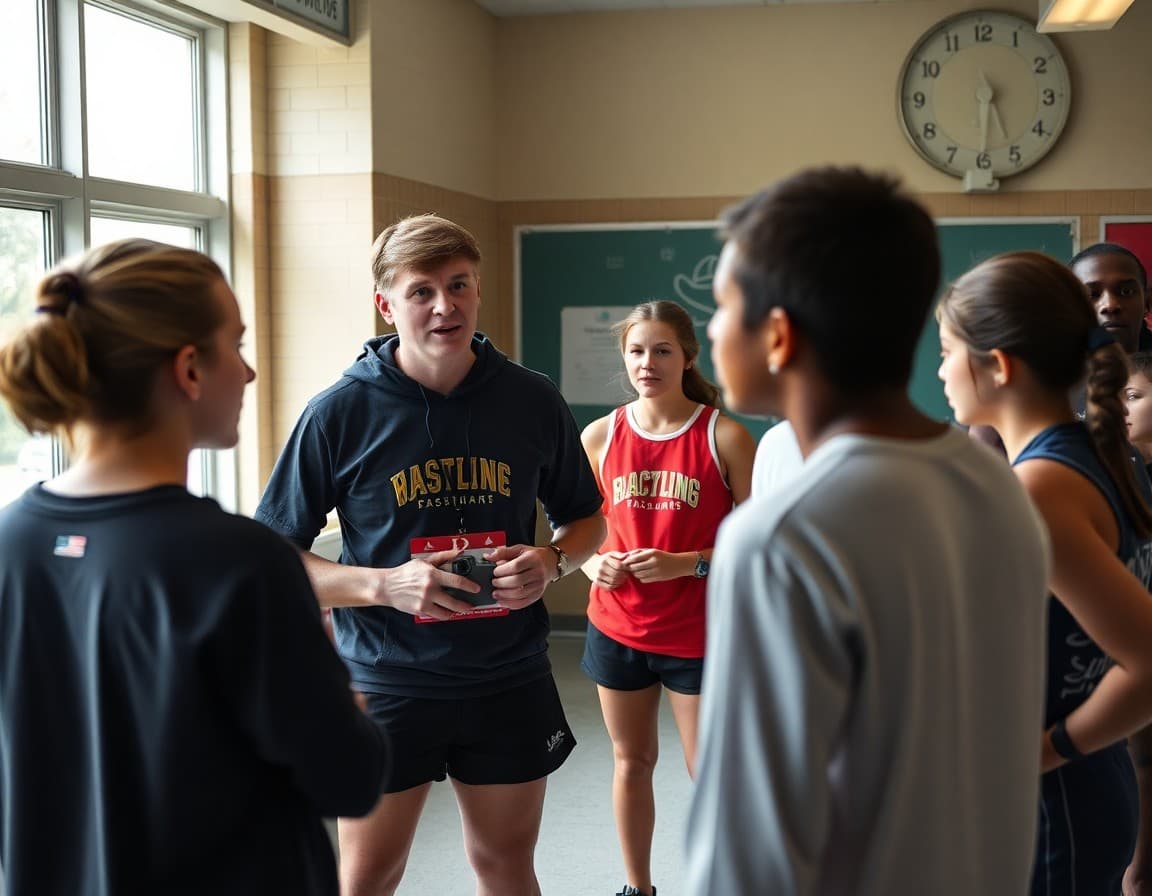
Cross country season moves fast. Practice starts before school even begins for some teams, meets fill up weekends through October, and parents who aren't in the loop miss half of what's happening. A reliable newsletter is what keeps families connected to the program without you spending your planning period answering the same questions repeatedly.
Open With the Season Overview
Start with the big picture: when the season runs, approximately how many meets are scheduled, and what the training commitment looks like in terms of days per week and hours. Parents who are new to cross country don't know what to expect. This paragraph sets the frame for everything else.
Share the Practice Schedule
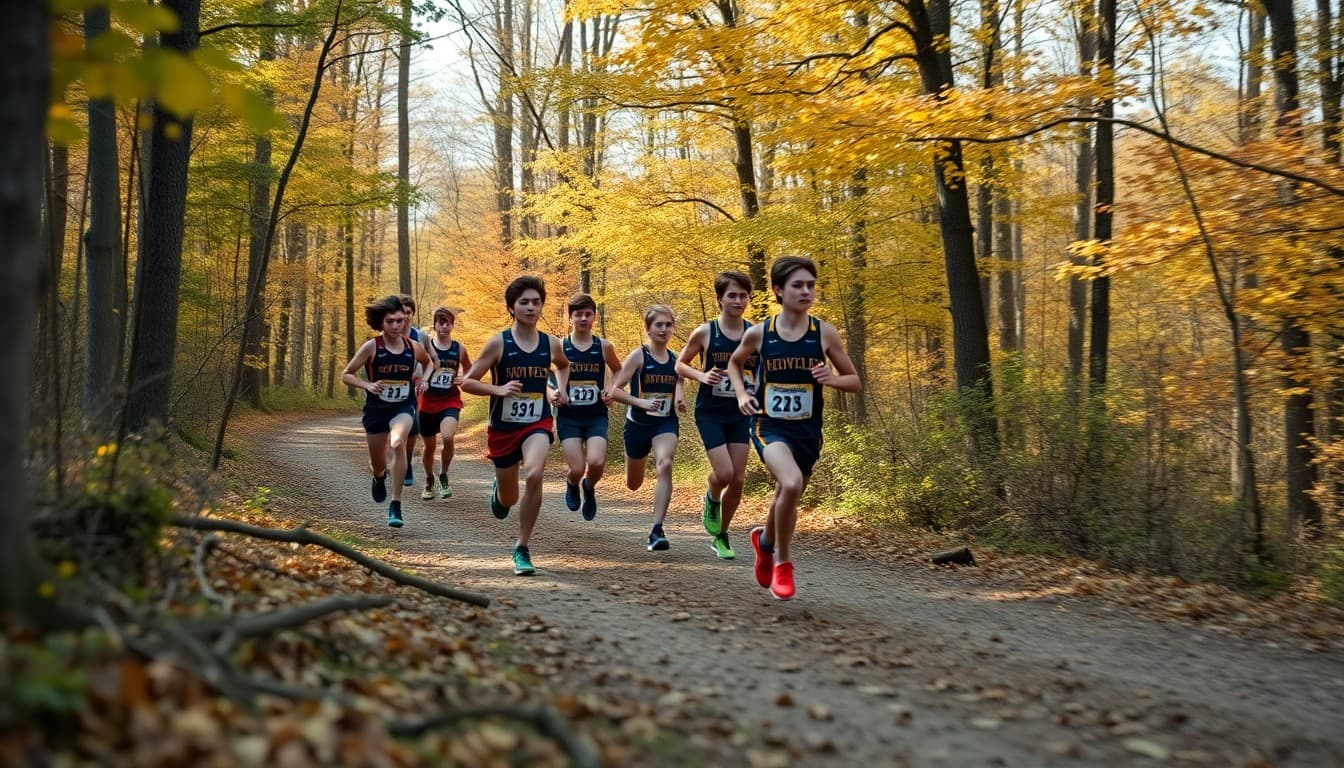
List the days and times of regular practice. Note any early morning or before-school sessions. If practice locations vary or if the team occasionally practices off campus on trails or at a park, include that. Parents need to know where their student is and when to expect them home.
List Meet Dates and Locations
Include the full meet schedule with dates, times, and host sites. For away meets, note travel logistics: whether buses are provided, when students need to arrive for departure, and what time they typically return. If parents are welcome to spectate, include the site address and where to park or watch from.
Cover Uniform and Gear Requirements
Tell families what the school provides and what athletes need to purchase. Racing shoes, training shoes, compression gear, or cold-weather layers are common items that catch families off guard. If there's a deadline to order or pick up uniforms, state it clearly.
State Academic Eligibility Requirements
Cross country athletes who fall below the school's academic eligibility threshold can't compete. Remind families of that requirement and encourage athletes to stay on top of their grades, especially as the season overlaps with the busy first stretch of the school year. If you have a study hall requirement for the team, mention it here.
Address Nutrition and Recovery
Distance running puts real demands on young athletes. A short paragraph on fueling and recovery is worth including. Runners need to eat enough, particularly before and after hard training days. Sleep is part of training. Students who skip breakfast before a long run or sacrifice sleep to finish homework are hurting their performance and their health.
Note How to Handle Illness and Injury
Tell parents how to communicate if an athlete is sick or injured and can't make practice or a meet. Specify who to contact and by when. Also note the protocol for athletes who are dealing with minor pain during training. Knowing the process in advance prevents families from guessing.
Close With How to Stay Updated
Let parents know where meet results will be posted and how you communicate schedule changes or cancellations due to weather. Daystage makes it straightforward to send quick mid-season updates so families aren't checking a dozen different platforms. One consistent channel beats three half-used ones.
Get one newsletter idea every week.
Free. For teachers. No spam.
Frequently asked questions
What should a cross country season newsletter include?
Cover the practice schedule, meet dates and locations, eligibility requirements, gear and uniform expectations, and any academic standards athletes must maintain. Include transportation information for away meets and note any volunteer or spectator opportunities.
How do parents support a cross country runner at home?
Sleep, nutrition, and recovery matter as much as training for distance runners. Parents can help by ensuring athletes eat enough, particularly carbohydrates on training days, prioritize sleep especially before meets, and avoid pushing through pain that might indicate injury.
What are common eligibility issues for high school cross country athletes?
Academic eligibility is the most common issue. Most states require athletes to be passing a minimum number of classes to compete. Attendance requirements and behavior standards also apply in many schools. Your newsletter should remind families of these requirements early in the season.
How many meets does a typical high school cross country season have?
Most high school cross country seasons include six to ten meets, culminating in a district or regional championship and, for qualifying teams, a state meet. The season typically runs from late August through late October or November.
What tool works best for high school teacher newsletters?
Daystage works well for athletic program newsletters. You can include the full meet schedule, transportation details, and updates after each meet in one place that parents can bookmark and return to. Keeping communication consistent across the season builds the kind of trust that keeps families engaged.

Adi Ackerman
Author
Adi Ackerman is a former classroom teacher and curriculum writer with 8 years in K-8 schools. She writes about school communication, parent engagement, and what actually works in real classrooms.
More for High School
Ready to send your first newsletter?
3 newsletters free. No credit card. First one ready in under 5 minutes.
Get started free