
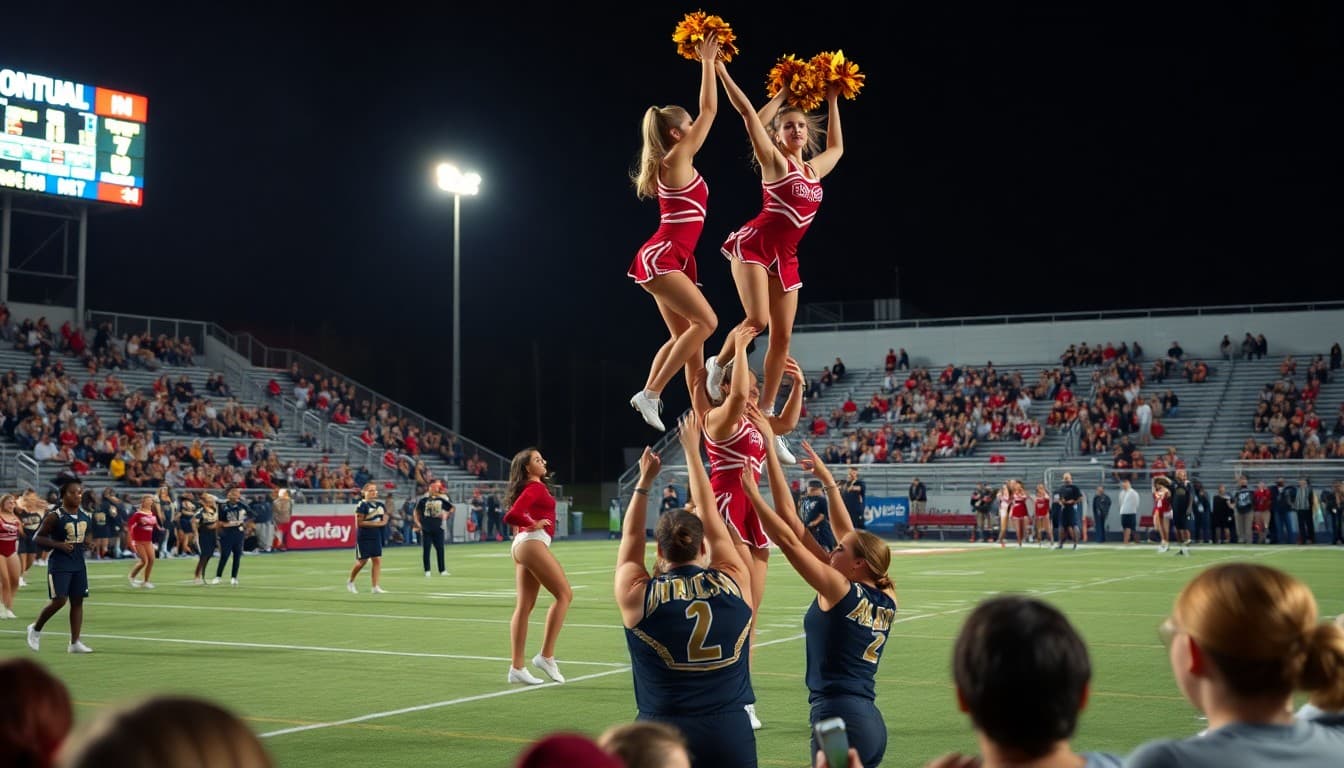
Teacher Newsletter for Cheerleading: What Families Need to Know
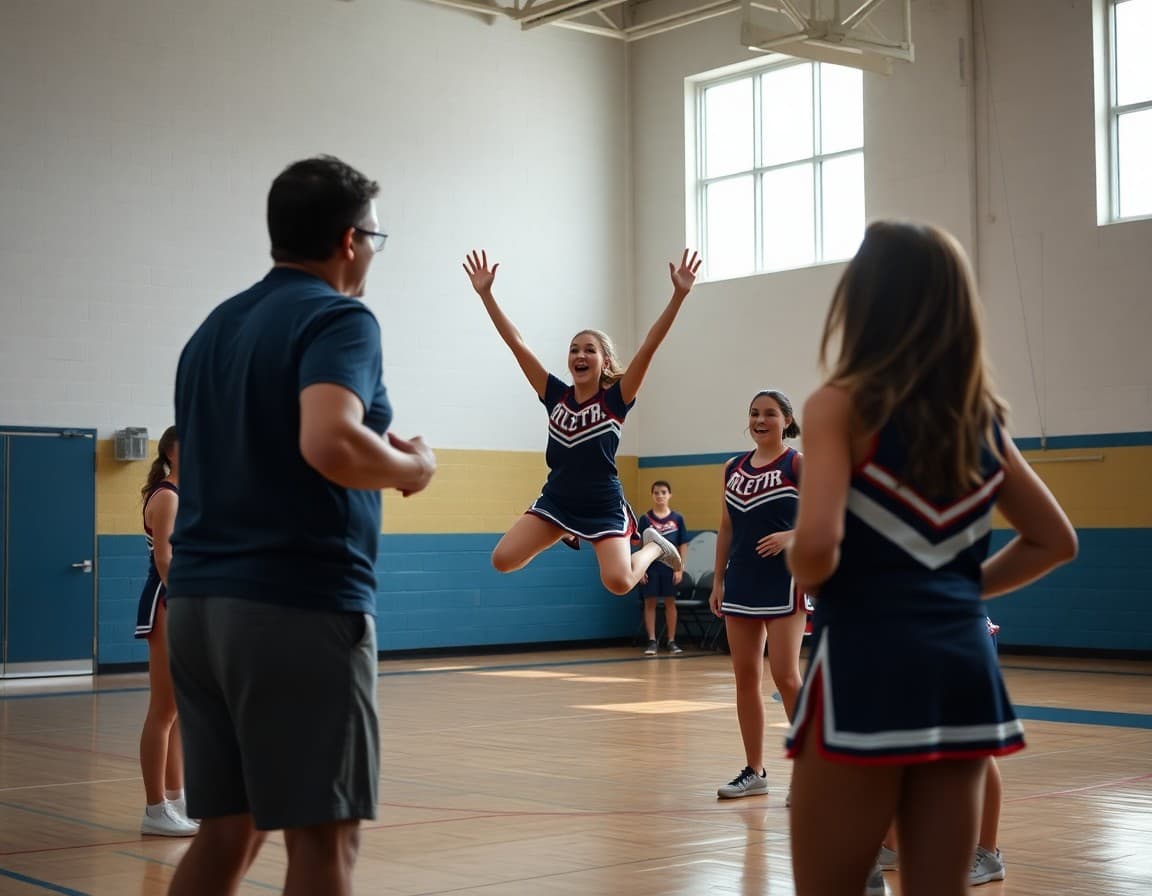
Cheerleading programs face a specific communication challenge: high parent investment, complex logistics around uniforms and competitions, and tryout decisions that affect families emotionally. A professional, thorough newsletter from the start of the season sets the right tone and reduces friction before it starts.
Address the Tryout Outcome Professionally
If tryouts just concluded, acknowledge it. A brief paragraph on how roster decisions were made, and what options exist for athletes who didn't make the squad, is worth including. If your school has a JV squad, a competition squad, or a development track, mention those pathways. Parents who see a professional response to tryout outcomes are less likely to escalate.
Share the Game and Performance Schedule
List every game the squad will cheer at, home and away, with dates and times. If you have a competitive cheer team, include the competition schedule separately with venue locations and event times. Note any mandatory games or competitions where attendance is required for all squad members.
Cover Uniform and Gear Costs
Be specific about what families need to purchase and when payments are due. If there's a school-issued uniform that athletes lease, say so. If families buy their own uniforms and own them, say that too. Include the full cost breakdown: shell, skirt, briefs, shoes, bow, warm-up jacket, and any required competition attire. Financial surprises create resentment toward the program.
Describe Safety Certifications and Stunt Policy
Let parents know what safety credentials your coaching staff holds and what the stunt rules are for your school and state. If certain stunts require spot training before athletes can perform them, explain how that progression works. Parents whose students are involved in stunting want to know the safety framework in place. Being specific builds confidence.
Share the Practice Schedule
List practice days, times, and location. Note any specialty rehearsals, like competition camp weekends or performance run-throughs before playoff games. If summer or preseason practices happened before the school year started, confirm the regular-season schedule separately so there's no confusion about what changed.
State Academic Eligibility Requirements
Cheerleaders must meet the same academic eligibility standards as other student athletes. Remind families of the requirements and note when eligibility is checked. Athletes who are borderline academically early in the year need to know the standard before it becomes a problem during the football or basketball season.
Set Conduct Expectations
Cheerleaders represent the school at every game, in uniform, in full view of the community. Standards around attitude toward teammates, behavior during cheers and games, and social media conduct matter especially for athletes who are regularly in public view. Stating these expectations in writing makes them easier to reference.
Close With Communication Details
Let parents know where to find schedule updates, competition results, and program announcements. Daystage makes it easy to send consistent newsletters throughout the season so families feel connected to the program rather than chasing down information from their athlete.
Get one newsletter idea every week.
Free. For teachers. No spam.
Frequently asked questions
What should a cheerleading newsletter include?
Cover the game and competition schedule, uniform and gear costs, safety certifications required for stunting, practice schedule and location, eligibility requirements, and conduct expectations. If you have both sideline and competitive cheer squads, clarify how communication applies to each.
What safety certifications apply to high school cheerleading?
Many states require coaches to hold AACCA or NFHS Spirit safety certification. Some require athletes to complete safety training before stunting. Your newsletter should explain what certifications are in place, what stunts are permitted under your school's rules, and how safety concerns are handled during practice and performances.
What uniform and gear costs should cheerleading families expect?
Cheerleading uniforms can be significant expenses, ranging from a few hundred to over a thousand dollars when including the shell, skirt, briefs, shoes, bow, and warm-up jacket. If the school provides some items and families purchase others, spell that out clearly in your first newsletter so there are no surprises.
How do tryout decisions get communicated in cheerleading?
If tryouts just happened, address the outcome professionally in your newsletter. Explain how decisions were made, whether any alternate or development positions exist, and what the next steps are for athletes who didn't make the squad. A clear professional note reduces the emotional fallout from tryout disappointments.
What tool works best for high school teacher newsletters?
Daystage works well for cheerleading programs. You can share the game and competition schedule, uniform ordering deadlines, and practice updates in one newsletter that all cheer families receive. Programs with high parent involvement benefit from clear, consistent communication that comes from one reliable source.

Adi Ackerman
Author
Adi Ackerman is a former classroom teacher and curriculum writer with 8 years in K-8 schools. She writes about school communication, parent engagement, and what actually works in real classrooms.
More for High School
Ready to send your first newsletter?
3 newsletters free. No credit card. First one ready in under 5 minutes.
Get started free