
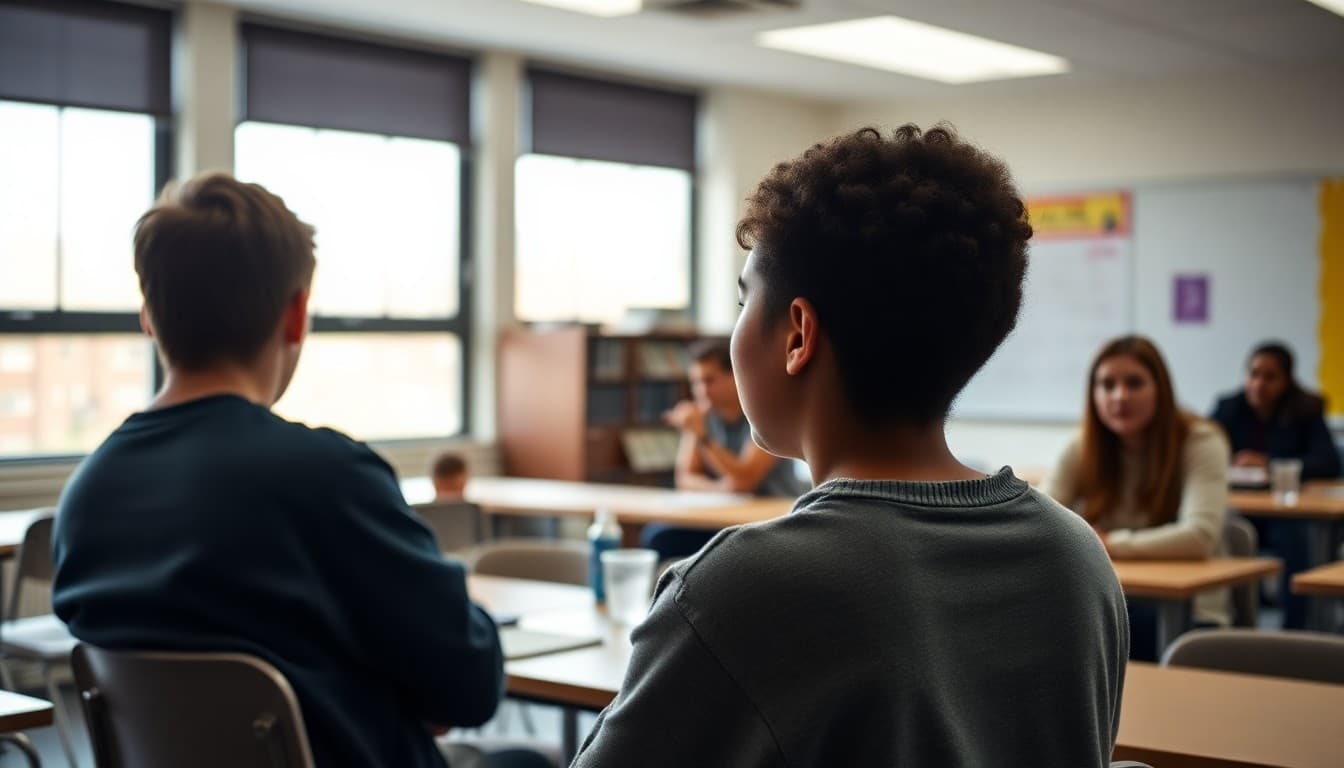
Teacher Newsletter for Bystander Training: What Families Should Know
Bystander training teaches students that they have both the ability and the responsibility to respond when something is going wrong. That's a skill most parents want their students to have. Your newsletter is the place to explain what the training covers, how it's structured, and why it matters, before families hear a version of it secondhand from their student.
Define What Bystander Training Is
Start with a clear description: bystander training teaches students to recognize situations where someone might need help, decide whether and how to safely intervene, and support others during and after a difficult situation. It covers a range of scenarios from social exclusion and bullying to harassment and more serious circumstances. One paragraph on this gives families the right frame before anything else.
Describe the Intervention Strategies Covered
The most effective bystander training focuses on practical, low-risk strategies: direct intervention when safe, distraction techniques to de-escalate a situation, delegation to another person or trusted adult, and delayed support for someone after an incident. Naming these strategies in your newsletter shows families that the training is action-oriented and specific, not just a lecture on caring about others.
Explain the Scenario and Role-Play Structure
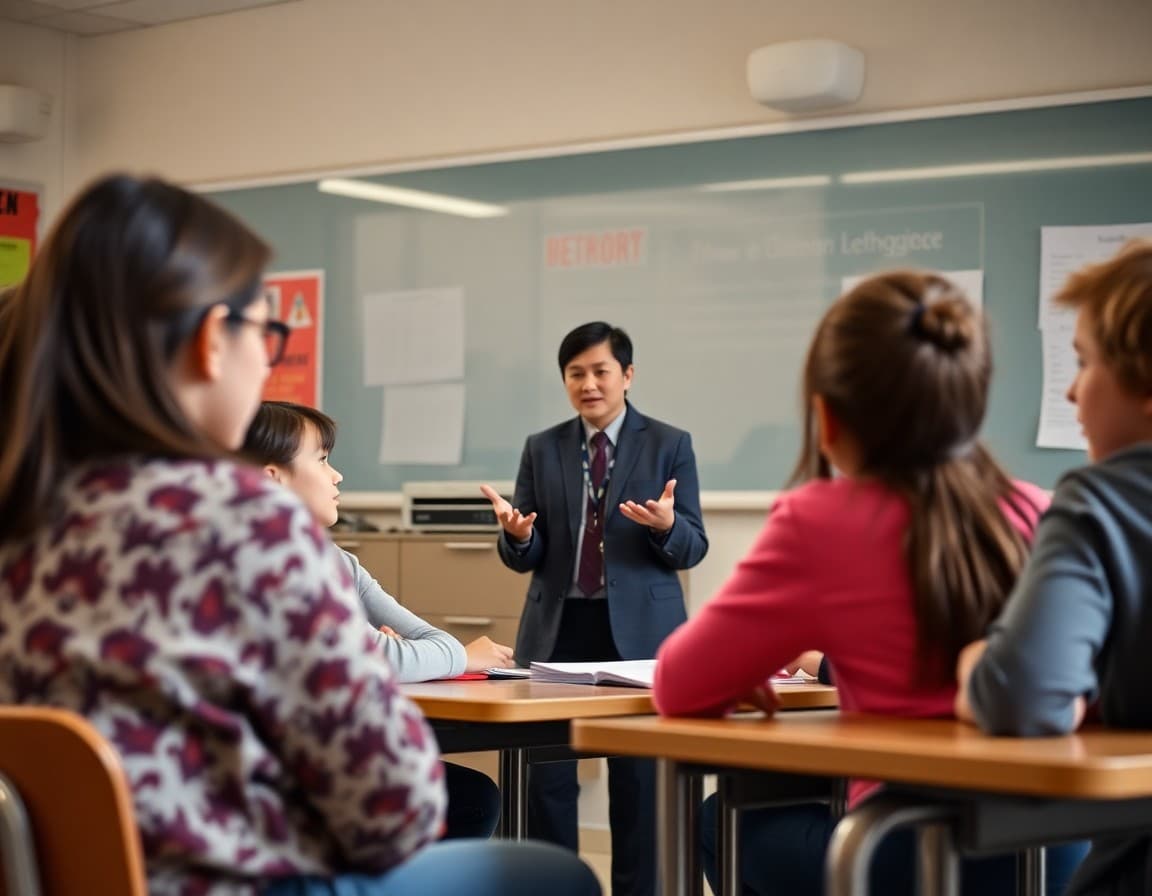
If your training uses role-play or scenario-based activities, describe how those work. Note that scenarios are designed to be realistic enough to feel relevant but structured so students aren't overwhelmed. Explain how facilitators manage the room and how students can opt out of role-play while still participating in the discussion. Parents who see thoughtful design are more comfortable with scenario-based content.
Connect the Training to Real School Situations
Let families know what kinds of situations bystander skills apply to in the high school context: hallway harassment, social media targeting, uncomfortable party situations, witnessing bullying, or seeing a friend in distress. The more concrete the application, the more relevant families find the training.
Share the Research Behind the Approach
Bystander training is supported by research showing it significantly increases the likelihood that students will intervene in harmful situations. If your program is based on a specific evidence-based curriculum, name it. Research grounding helps families see this as a serious school safety initiative rather than a check-the-box activity.
Tell Families How to Reinforce the Skills at Home
A short paragraph on how parents can extend the learning is worth including. Asking students to describe the strategies they learned, discussing scenarios that come up in the news, and affirming their student's ability to make a difference in difficult moments all reinforce the training without requiring special knowledge.
Note What Happens After the Training
Let families know if there will be a follow-up discussion, a reflection assignment, or periodic refreshers throughout the year. Bystander skills developed in a one-time training fade without reinforcement. If your program includes ongoing components, that signal of seriousness helps families take the initial training more seriously too.
Share Contact Information for Follow-Up
Give parents a way to reach out with questions or to discuss concerns about specific situations their student is navigating. Daystage makes it easy to send a follow-up newsletter after the training that lets families know what students learned and how to support the skills at home.
Get one newsletter idea every week.
Free. For teachers. No spam.
Frequently asked questions
What is bystander training in a high school setting?
Bystander training teaches students how to recognize harmful situations, decide when and how to safely intervene, and support others who need help. It covers a range of scenarios from bullying and harassment to more serious situations. The training focuses on practical, low-risk intervention strategies that students can actually use.
What should a bystander training newsletter include?
Cover what scenarios the training addresses, what intervention strategies students will learn, how the training is structured, whether it includes role-play or simulation activities, and how families can reinforce bystander skills at home. Connecting the training to concrete student safety outcomes helps families see the value.
Is bystander training appropriate for all high school grade levels?
Yes, though the scenarios addressed may vary by age. Ninth graders might focus on peer pressure and social exclusion. Older students might address more complex situations involving harassment, substance use, or dangerous circumstances. Your newsletter should describe the grade-level scope so families know what their student is specifically learning.
How do bystander training programs handle sensitive scenario content?
Well-designed bystander programs use scenarios that are realistic enough to feel relevant but structured to keep students from feeling overwhelmed. If your program includes role-play, explain how scenarios are designed and how facilitators ensure students feel safe during activities. Families who understand the structure trust the process more.
What tool works best for high school teacher newsletters?
Daystage is a practical choice for communicating about school safety and wellness programs. You can send a professional newsletter that explains bystander training to all families before it runs, include links to the curriculum or program research, and follow up with what students learned after the training is complete.

Adi Ackerman
Author
Adi Ackerman is a former classroom teacher and curriculum writer with 8 years in K-8 schools. She writes about school communication, parent engagement, and what actually works in real classrooms.
More for High School
Ready to send your first newsletter?
3 newsletters free. No credit card. First one ready in under 5 minutes.
Get started free