
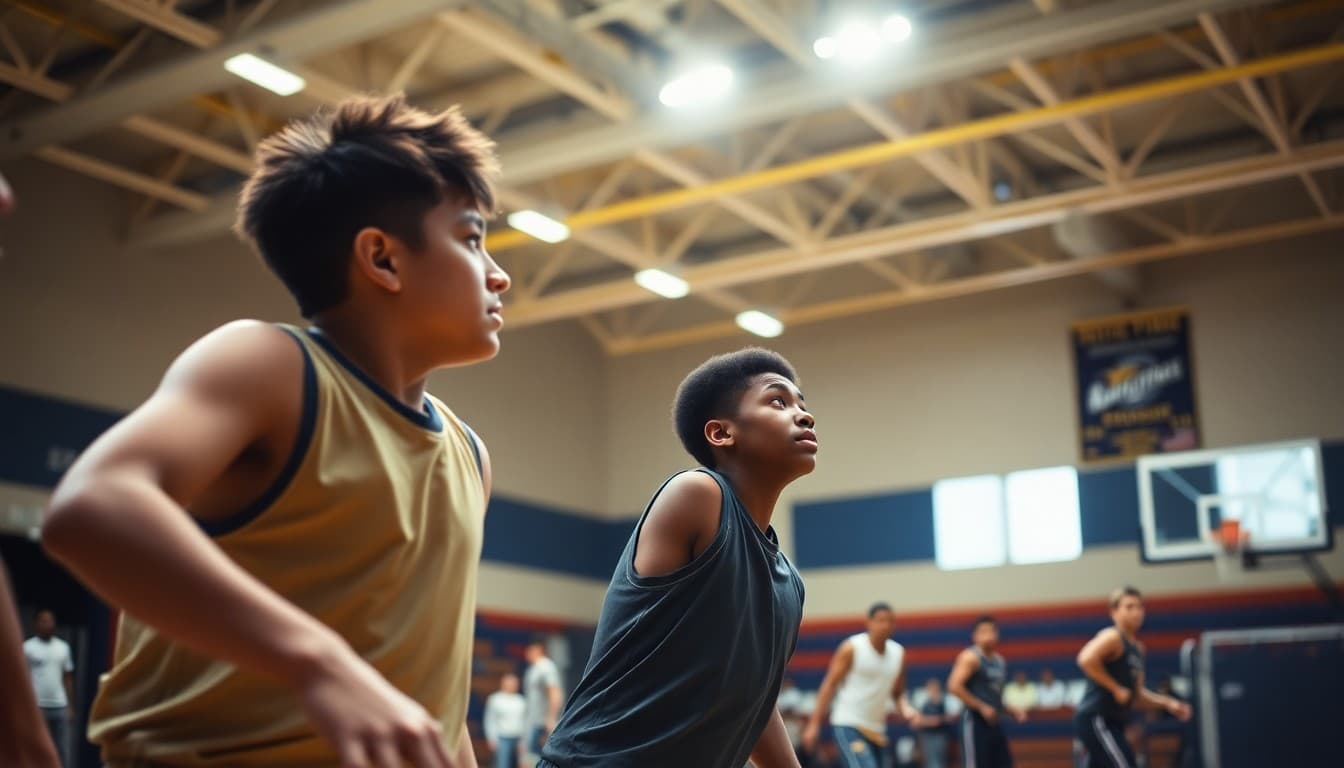
Teacher Newsletter for Basketball Season: Communication That Counts
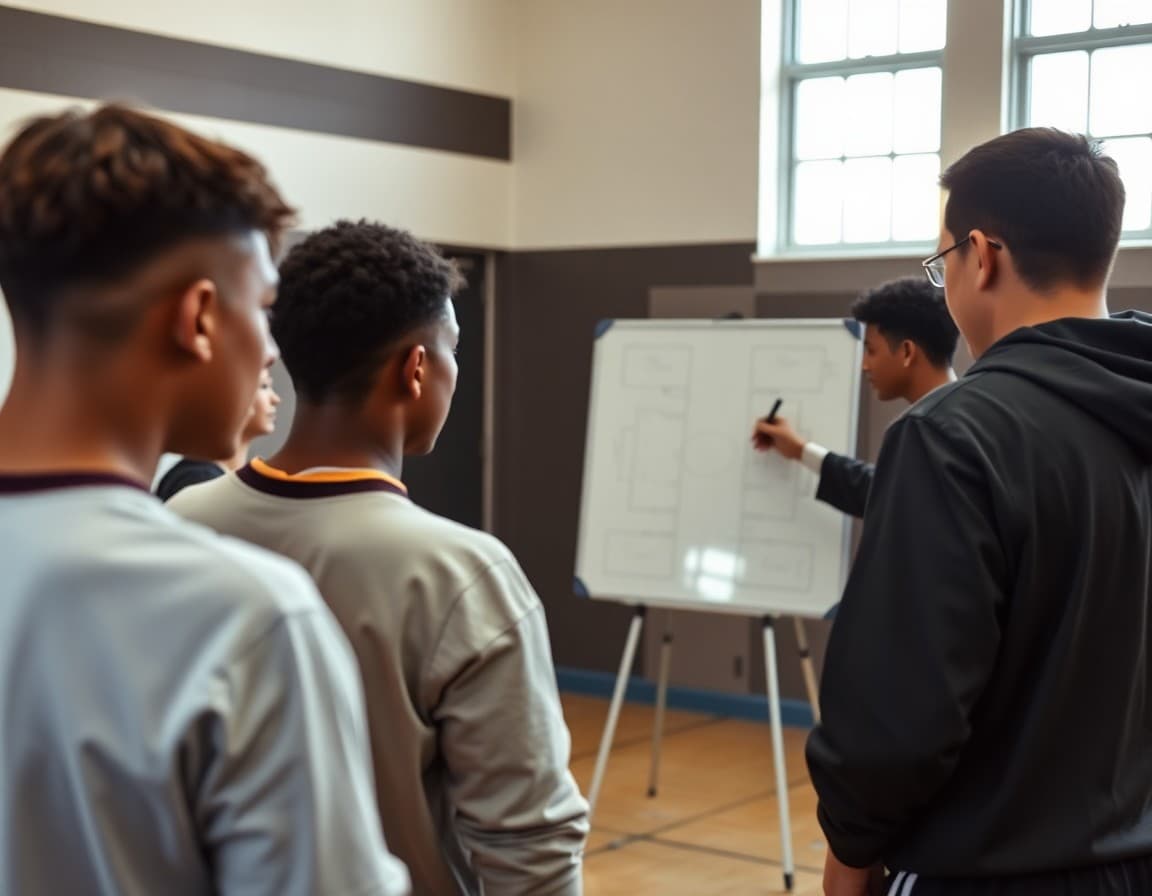
Basketball programs deal with more parent intensity than most other school sports. Playing time, roster decisions, and coaching choices generate a lot of feeling. Your newsletter can't eliminate that, but it can set clear expectations early and give parents a professional framework for how you operate.
Start With a Season Overview
Describe the season structure: when it starts, how many games are scheduled, and whether you have freshman, JV, and varsity programs. Let parents know how each team's communication will flow and where to find schedules for each level. A simple map of the program in the first paragraph prevents a lot of confusion.
Share the Practice Schedule
List practice days, times, and gym location. Note any days when the gym is unavailable and practice moves. Basketball practices often run close to game schedules, and athletes who know the full weekly structure manage their time better. If there are preseason conditioning requirements before the official season start, mention those.
Post the Full Game Schedule
Include every game with date, opponent, home or away, and tip-off time. For away games, list the gym address and bus departure time. Note when athletes need to arrive at the gym before home games for warmups. Parents who can see the whole season in one place plan their calendars and show up more consistently.
Address Playing Time Directly
This is the section that prevents the most awkward conversations. Write one clear paragraph: playing time is a coaching decision based on practice performance, understanding of the system, and game situation needs. Questions about playing time are best addressed in a scheduled conversation, not during a game or immediately after. Setting this boundary in writing is more effective than trying to enforce it verbally in a charged moment.
State Academic Eligibility Requirements
Basketball season runs through the most academically intense stretch of the school year. Let families know the minimum GPA or credit requirements and when eligibility checks happen. Athletes who know their academic standing is monitored throughout the season tend to take coursework more seriously than those who only think about it when a problem surfaces.
Cover Uniform and Equipment Expectations
Describe what the school provides and what athletes need to purchase. Athletic shoes with non-marking soles are a standard requirement for gym floors. If there are specific warm-up attire or practice jersey requirements, note them. Uniform violations on game day create unnecessary friction between coaches and families.
Describe Team Conduct Expectations
Set the tone for how athletes represent the school at home and away games. Sportsmanship toward opponents and referees, behavior on the team bus, and social media conduct during the season are all worth mentioning. Athletes who understand they represent the program beyond the court tend to behave accordingly.
Tell Families How to Stay Connected
Let parents know where you share game results, schedule updates, and program news. Daystage makes it easy to send a quick recap after a game week without individual outreach. One consistent communication channel builds the program's relationship with its community throughout the season.
Get one newsletter idea every week.
Free. For teachers. No spam.
Frequently asked questions
What should a basketball season newsletter include?
Cover the game schedule with home and away designations, practice times, eligibility standards, playing time policies, uniform requirements, and team conduct expectations. If you run JV and varsity programs, clarify how each newsletter applies. Playing time is the top parent question in basketball, so address it directly.
How do you handle playing time questions from basketball parents?
The clearest approach is to state in your preseason newsletter that playing time decisions are based on practice effort, role understanding, and game situation, not seniority or parent requests. Direct questions about playing time to a scheduled meeting after practice, not during or immediately after a game.
What academic standards do basketball players need to maintain?
Athletes must meet the school's minimum academic eligibility requirements to practice and compete. For basketball, which runs through winter marking periods and semester exams, this means staying on top of coursework from November through February. Regular grade checks and early intervention are important.
How do you communicate game schedule changes and cancellations?
Basketball is less weather-dependent than outdoor sports, but games still get postponed due to gym conflicts, school events, or travel issues. Your newsletter should explain exactly how schedule changes are communicated so parents don't find out when they arrive at an empty gym.
What tool works best for high school teacher newsletters?
Daystage is a practical choice for basketball program communication. You can share the season schedule, game recaps, and mid-season updates in one place that basketball families check regularly. Reliable communication from the program builds goodwill and keeps parents focused on supporting the team.

Adi Ackerman
Author
Adi Ackerman is a former classroom teacher and curriculum writer with 8 years in K-8 schools. She writes about school communication, parent engagement, and what actually works in real classrooms.
More for High School
Ready to send your first newsletter?
3 newsletters free. No credit card. First one ready in under 5 minutes.
Get started free