

Teacher Newsletter for a Banking Unit: Key Concepts and What Families Should Know
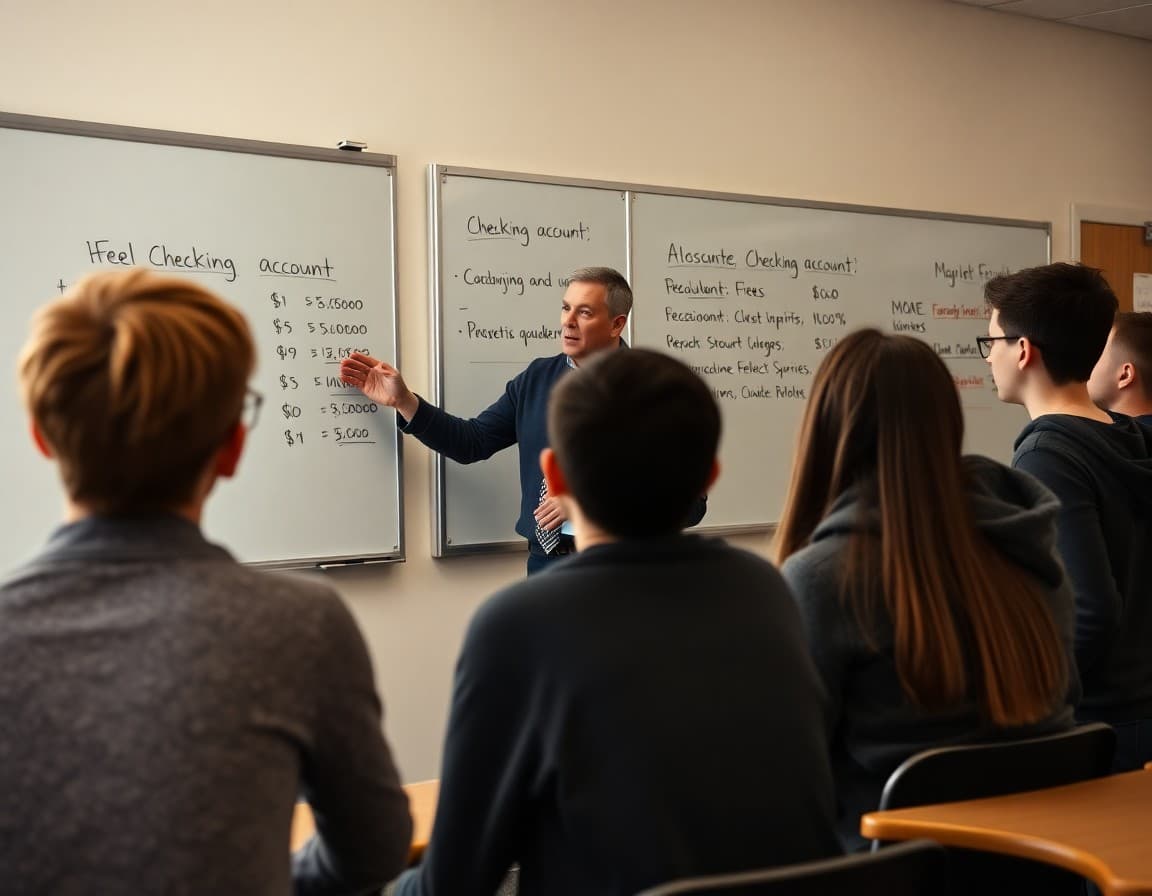
Banking is one of those personal finance topics where what students don't know has a direct financial cost. Overdraft fees, minimum balance requirements, and fraud exposure all hit hardest when young adults open their first accounts without knowing how they work. Your newsletter helps families understand what their student is learning and, ideally, prompts a real conversation at home about the family's own banking setup.
Start With Why This Unit Is Immediately Relevant
Many juniors and seniors will open their first independent checking account within one to two years. Students in the unit already have debit cards or student accounts that they may not fully understand. The banking unit addresses real decisions students will face very soon, not abstract concepts for some distant future.
List the Concepts the Unit Covers
Name what students will learn: checking versus savings accounts, APY and interest on savings, common fee structures including overdraft and monthly maintenance fees, how to read and reconcile a bank statement, what direct deposit is, how mobile banking and mobile deposit work, and how to identify fraud or unauthorized charges. Specific concepts tell families what their student is studying.
Describe the Practice Activities
Tell families what the hands-on component looks like. Students typically reconcile a fictional bank statement, evaluate different banking products and their fee structures, and practice identifying suspicious activity on mock account statements. All activities use simulated data, not real account information. Describing this clearly prevents any family concern about privacy.
Address Digital and Mobile Banking
If your unit includes digital banking skills, mention that. Mobile deposit, electronic fund transfers, and online account access are standard features that many young adults use before they fully understand them. Fraud awareness, including phishing and account takeover tactics, is particularly valuable to cover in a unit where students are learning how banking systems work.
Connect to Students' Real Situations
Many high school students already have debit cards or student accounts. Let families know that the unit is a good time to sit down with their student and review their existing account together. What fees does the account carry? How does the interest rate on their savings account work? These conversations turn classroom concepts into concrete understanding.
Give Families Discussion Starters
Suggest a few questions parents can raise at home: what are the differences between a credit union and a national bank? what happens if you overdraft? what is a routing number and when do you need it? Families who can have this conversation with their student reinforce the unit's most important points in a real-world context.
Describe the Assessment
Tell families how learning is measured. A bank statement reconciliation exercise, a banking product comparison analysis, a quiz on key vocabulary, or a short reflection on what they learned are all common. The assessment format tells families what level of applied knowledge is expected by the end of the unit.
Close With Resources and Contact
Share any supplementary resources for families: banking comparison tools, consumer protection agency resources, or guides to evaluating bank accounts. Daystage makes it easy to include links directly in the newsletter so families can access them without having to remember or write anything down.
Get one newsletter idea every week.
Free. For teachers. No spam.
Frequently asked questions
What should a banking unit newsletter include?
Cover the specific banking concepts students will learn, what practice activities they will complete, whether the unit includes online banking or mobile banking skills, and how the content connects to their near-term financial life. Many high school seniors will open their first checking account within months of graduation.
What banking concepts should high school students learn?
Students should understand the difference between checking and savings accounts, how interest accrues on savings, what common bank fees are and how to avoid them, how to reconcile a bank statement, how direct deposit works, and how to evaluate basic banking products. Digital banking skills including mobile deposit and fraud awareness are increasingly essential.
Do students use real bank accounts in a banking unit?
No. Practice activities use simulated account statements, fictional transaction records, and mock banking scenarios. No real account access or personal financial information is involved. Your newsletter should clarify this so families understand what the classroom activities actually look like.
How can parents reinforce banking lessons at home?
If students don't already have a bank account, this unit is a good time to open one. Parents can walk through their own bank statement with their student, explain the fees or interest rates on their accounts, and discuss the differences between the family's banking institution and alternatives. Real accounts make the concepts stick.
What tool works best for high school teacher newsletters?
Daystage is useful for personal finance class communication. You can share the banking unit overview, practice activity descriptions, and resources for families in one newsletter. For a unit with this much direct real-world application, connecting families to what's being taught adds meaningful reinforcement value.

Adi Ackerman
Author
Adi Ackerman is a former classroom teacher and curriculum writer with 8 years in K-8 schools. She writes about school communication, parent engagement, and what actually works in real classrooms.
More for High School
Ready to send your first newsletter?
3 newsletters free. No credit card. First one ready in under 5 minutes.
Get started free