
Teacher Newsletter for Baccalaureate: What Families Should Know
Baccalaureate is one of those events where families often don't know what to expect, whether attendance is required, what students wear, or how it differs from the graduation ceremony. A clear newsletter before the event answers all of those questions and lets families focus on being present for something meaningful rather than anxious about logistics they didn't know to plan for.
Clarify What Baccalaureate Is
Start with a direct description. Baccalaureate is a separate ceremony from the graduation commencement, typically held one to three days before. It is a moment for reflection, recognition, and celebration of the senior class before the formal conferral of diplomas. Describe the tone of your school's specific event so families know whether to expect something reverent, celebratory, or somewhere in between.
Share the Event Logistics
List the date, time, and venue. Include the address if the event is held off campus. Note when seniors need to arrive relative to the general start time. Tell families whether the event runs on a strict schedule or has flexibility built in. These logistics determine whether families show up on time and in the right frame of mind.
Describe the Program
Tell families what the event includes: a keynote speaker, student remarks or reflections, musical performances, recognition of individual seniors, awards, or other components. A brief program overview lets families know what they are there to witness and helps them explain the event to extended family members who may be attending for the first time.
Clarify Attendance Expectations
State whether baccalaureate is required, optional, or required for students who have specific roles in the ceremony. If students who miss baccalaureate affect the ceremony for others, say so. If it is purely optional, say that too. Clarity about attendance expectations prevents the confusion that happens when families assume one thing and the school expects another.
State the Dress Expectations
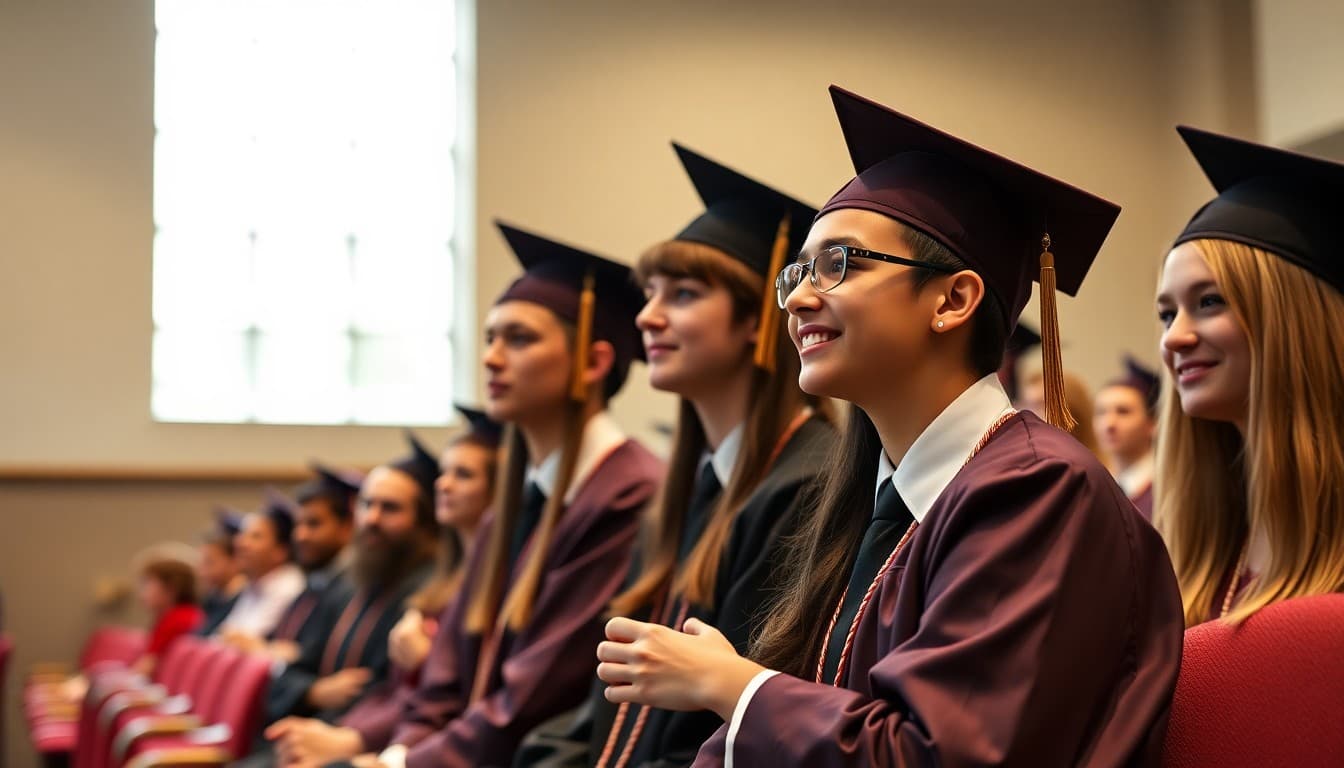
Be specific: caps and gowns, formal attire, business casual, or another standard. Note any differences from what students will wear at the graduation ceremony. If the school provides any items like honor cords or stoles that are worn at baccalaureate, tell families when and where those will be distributed. Dress surprises on ceremony day are entirely preventable.
Describe Student Participation Roles
If some seniors have speaking roles, musical parts, or other participation responsibilities, let their families know the reporting requirements, any rehearsal schedules, and what is expected of them. Students with roles need more information than the general student body, and your newsletter can address both audiences cleanly.
Cover Family Seating and Guest Policy
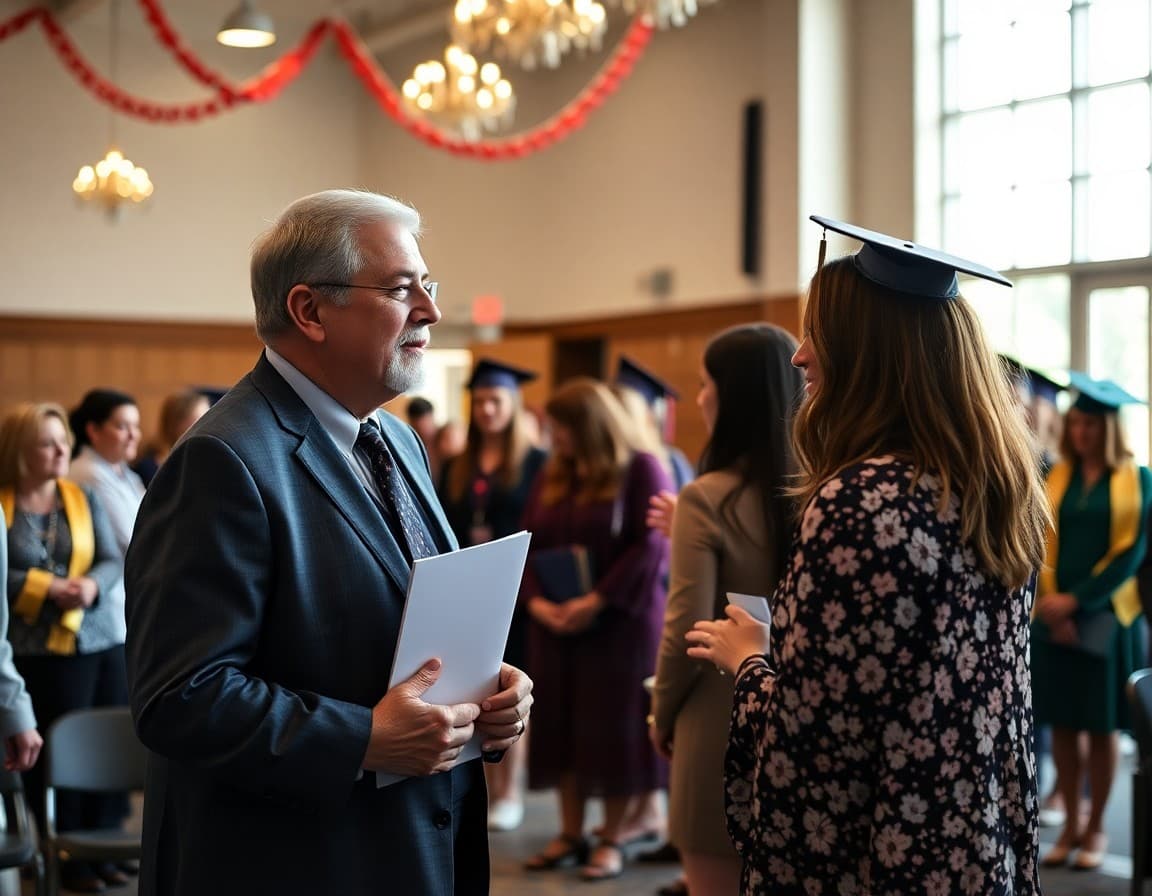
Tell families how many guests each senior can bring, whether tickets are required, and how seating is arranged. If the venue has a capacity limit, note that early so families can plan which family members to invite. Baccalaureate often draws grandparents and extended family who don't have the same school communication channels seniors and parents do.
Close With Communication Details
Let families know who to contact with questions and where to find updates if anything changes before the event. Daystage makes it easy to send a quick reminder a few days before baccalaureate with the logistics, timing, and any last-minute information. For a once-in-a-school-experience milestone, that final reminder makes the difference between families arriving prepared and families arriving flustered.
Get one newsletter idea every week.
Free. For teachers. No spam.
Frequently asked questions
What is a baccalaureate and how does it differ from graduation?
Baccalaureate is a separate ceremony from the graduation commencement, traditionally focused on reflection, recognition, and often a spiritual or inspirational component. It typically happens the evening before or the week before graduation. Unlike commencement, it is often more intimate and may include student performances, remarks from honored guests, or recognition of individual seniors.
What should a baccalaureate newsletter include?
Cover the event date, time, and venue, how it differs from the graduation ceremony, whether attendance is required or optional, what students are expected to wear, whether families are invited, what the program includes, and any student participation components such as speeches, performances, or recognitions.
Is baccalaureate a religious event?
Historically it was often a religious service, but many public schools now hold secular or interfaith versions. Your newsletter should clarify the nature of your school's baccalaureate so families have accurate expectations. Describing the program elements, a keynote speaker, student reflections, musical performance, and senior recognition, is more helpful than a label.
What do seniors typically wear to a baccalaureate?
Dress expectations vary by school. Some programs ask seniors to wear caps and gowns. Others request formal or semi-formal attire. Some are casual and celebratory. Your newsletter should specify exactly what the dress expectation is and note any differences from what will be worn at the graduation ceremony.
What tool works best for high school teacher newsletters?
Daystage is a practical choice for baccalaureate event communication. You can share event details, student participation requirements, and RSVP information in one newsletter that reaches all senior families. For a milestone event at the end of four years, clear communication from the school ensures families show up to the right place at the right time with the right expectations.

Adi Ackerman
Author
Adi Ackerman is a former classroom teacher and curriculum writer with 8 years in K-8 schools. She writes about school communication, parent engagement, and what actually works in real classrooms.
More for High School
Ready to send your first newsletter?
3 newsletters free. No credit card. First one ready in under 5 minutes.
Get started free