
9th Grade Parent Volunteer Newsletter: How to Engage Freshman Parents

Something shifts the moment students walk into a high school building for the first time. Teachers notice it immediately: the parents who were at every elementary school event, who sent weekly emails, who knew every teacher by name, suddenly go quiet. Freshman year is when parent involvement drops off a cliff, and it rarely recovers on its own. If you want 9th grade parents in your corner, you have to go get them. A well-written newsletter is one of the most reliable ways to do that.
Why Freshman Parent Involvement Drops and What You Can Do About It
Most parents of 9th graders are not disengaged because they stopped caring. They stepped back because every signal they received from the school told them to. High school culture implicitly communicates that involved parents are helicopter parents. Students themselves often ask their parents to back off. And schools, to be fair, do a much worse job of inviting parent participation than elementary or middle schools do.
Your newsletter can push back against that norm. Start the year with a direct, warm message that says parents of high schoolers are welcome and needed. Name the drop-off explicitly: "We know high school can feel like the point where parents hand off the keys, but research consistently shows that students whose parents stay connected do better academically and adjust more smoothly to the social demands of freshman year." That kind of transparency builds trust fast.
Volunteer Opportunities Worth Putting in Your Newsletter
Generic asks do not work. "If you'd like to volunteer, please reach out" generates no responses. What generates responses is specificity. In your newsletter, list actual roles with actual dates.
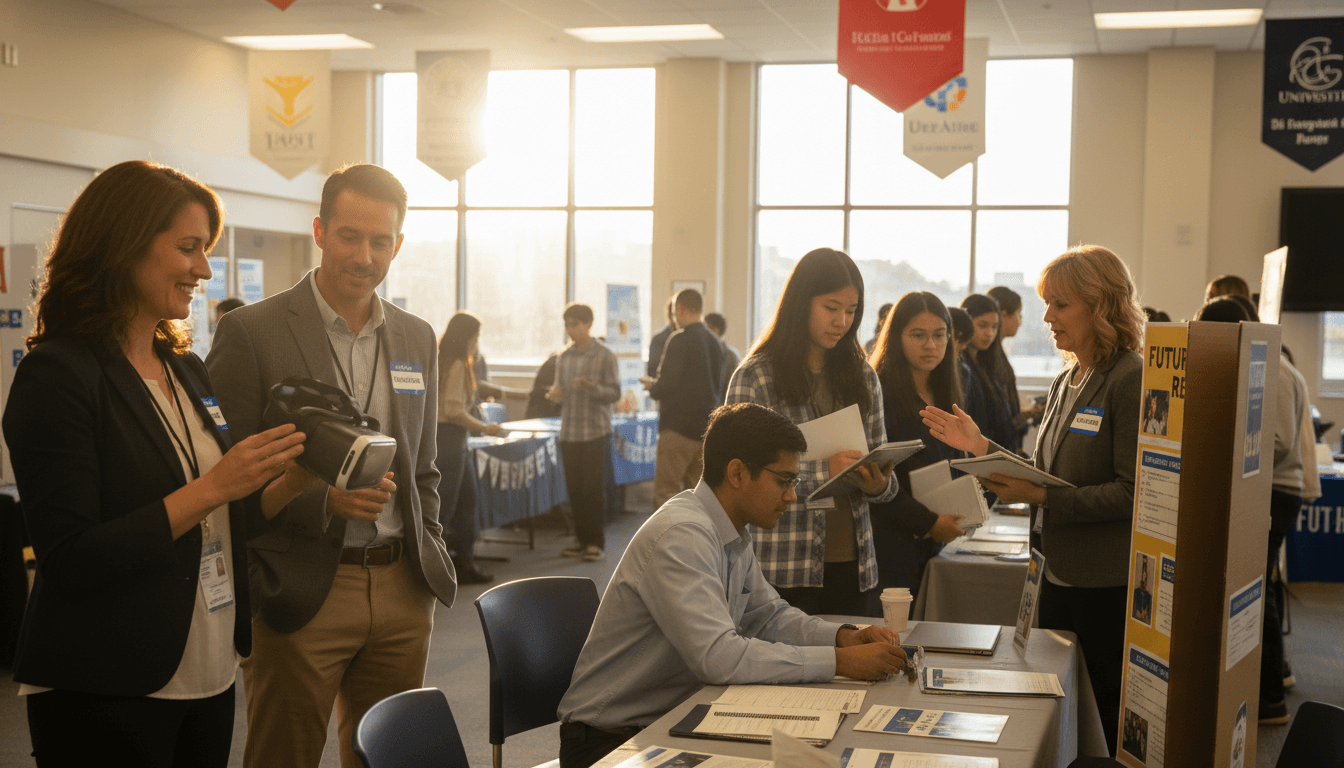
Good in-person options for 9th grade parents include: chaperoning field trips, participating in career day panels, helping with fundraising events, and staffing tables at freshman orientation or back-to-school night. Good at-home options include: reviewing student writing drafts, providing expertise for a career or college awareness unit via a recorded video or live video call, and sourcing donated materials for class projects.
The key is to match the ask to the audience. Freshman parents are not all the same. Some are executives with no flexibility during the day but plenty of expertise to share. Others work service jobs with variable schedules and can occasionally come in on short notice. Offering both types of opportunities in every volunteer newsletter ensures you reach the widest possible group.
How to Write the Ask Without Making It Awkward
The tone of a volunteer ask matters as much as the content. Lead with what students gain, not what you need. Be specific about what the role involves and how much time it requires. Include a clear, simple way to sign up, whether that is a link to a form, a reply email, or a phone number to text.
Always give people a graceful out. Something like: "If this event does not work with your schedule, we will have more opportunities in the spring, and I will keep you posted." This signals that you are thinking long-term and not putting anyone on the spot. Parents who feel low-pressure to participate are more likely to actually participate.
What Parents Can Do at Home to Support Their 9th Grader
Not every parent can volunteer at school, and your newsletter should reflect that. A section on at-home support serves two purposes: it gives non-attending parents something concrete to do, and it reinforces that home is where a lot of the academic foundation is built.
Practical at-home suggestions for 9th grade parents include: asking their student to summarize one thing they learned each day (without quizzing them on it), checking in on their organizational system once a week, making sure there is a consistent homework space and time at home, and staying aware of upcoming tests or projects so they can offer encouragement before high-stakes moments. These are small but they add up.
Timing Your Volunteer Newsletters for Maximum Response
Send your first volunteer-focused newsletter within the first two weeks of school, before parents have mentally checked out of school communication. Follow up mid-semester with a recap of what volunteers did and another round of open opportunities. A brief "thank you" newsletter after each event, with a photo if possible, closes the loop and motivates future participation.
Avoid sending volunteer asks the day before you need help. Give parents at least two to three weeks of notice. If the event is during the school day on a weekday, give even more lead time since many parents need to request time off from work.
Making Your Newsletter Easy to Act On
Every volunteer newsletter should have one clear call to action. If you are asking parents to sign up for career day, that should be the only thing you ask them to do in that section. Multiple asks in the same paragraph compete with each other and reduce the chance anyone does any of them.
Use bullet points to list opportunities, include dates and times directly in the newsletter rather than linking to a separate calendar, and make sign-up as simple as possible. A Google Form, a SignUpGenius link, or even a direct email reply all work. The fewer clicks required, the higher your response rate will be.
Keeping Parents in the Loop Even When They Cannot Volunteer
One of the most overlooked parts of a volunteer newsletter is the update section. Even parents who never volunteer want to know that the volunteer program exists and that their community is engaged. A short paragraph that says "This month, four parent volunteers joined us for our geology field trip and helped students with their reflection journals" does something important: it normalizes participation and makes the next ask feel less like a cold call.
This kind of consistent communication builds a culture of involvement over time. By the end of freshman year, you want parents to feel like they know what is happening in your classroom, even if they never set foot in it. A well-maintained newsletter habit makes that possible.
Get one newsletter idea every week.
Free. For teachers. No spam.
Frequently asked questions
Why do parents pull back from school involvement when their child enters 9th grade?
The transition to high school often signals to parents that their child wants independence, and many parents interpret that as a cue to step back entirely. High schools also tend to communicate less proactively than elementary or middle schools, leaving parents unsure whether they are even welcome. Add in unfamiliar buildings, rotating class schedules, and a new set of teachers, and many parents simply do not know where to start. A newsletter that names these feelings directly and offers concrete, low-pressure entry points can break that pattern early in the year.
What volunteer roles work well for 9th grade parents who have busy work schedules?
Flexible, at-home options are the most accessible for working parents. Reviewing student essays or project drafts remotely, contributing career-related expertise for a classroom Q&A via video call, or donating materials and supplies all require minimal in-person time. For parents who can come in, one-time events like career day panels or college application workshops tend to work better than ongoing weekly commitments. When your newsletter lists both in-person and remote options, you dramatically increase the number of parents who can say yes.
How should I phrase a volunteer ask in a newsletter without sounding desperate or pushy?
Lead with the specific benefit to students rather than the teacher's need for help. For example, instead of writing 'We need chaperones for the field trip,' try 'Students who visit the science museum with a small group get a richer experience, and we have a few open chaperone spots for parents who want to join us.' Frame the ask as an opportunity with clear details: date, time, what to expect, and how to sign up. Always include a no-pressure opt-out by noting that future opportunities will come up, so families who cannot make this one can stay on the list.
What is the difference between volunteering at school and supporting learning at home, and how do I explain it to parents?
Volunteering at school means showing up physically or participating in school-organized events, while supporting learning at home means creating conditions that help students study, stay organized, and manage stress. Both matter, and your newsletter should address both. Parents who cannot take time off work still need to feel useful and connected. Offering specific at-home suggestions, such as asking their student to explain what they learned that week or helping them set up a weekly planner, gives every parent a meaningful role regardless of their schedule.
What newsletter tool works best for high school teachers who want to stay connected with freshman parents?
Daystage is built specifically for teachers and makes it easy to send polished, professional newsletters without spending hours on formatting. You can include volunteer sign-up links, upcoming event details, and at-home support tips all in one place. The platform lets you send to your full parent list with one click, tracks who opens your newsletters, and looks great on mobile, which matters because most parents read school communication on their phones. Many high school teachers use Daystage to keep freshman parents engaged from the first week of school through end-of-year events.

Adi Ackerman
Author
Adi Ackerman is a former classroom teacher and curriculum writer with 8 years in K-8 schools. She writes about school communication, parent engagement, and what actually works in real classrooms.
More for High School
Ready to send your first newsletter?
3 newsletters free. No credit card. First one ready in under 5 minutes.
Get started free