

Maine High School Newsletter Guide for Teachers
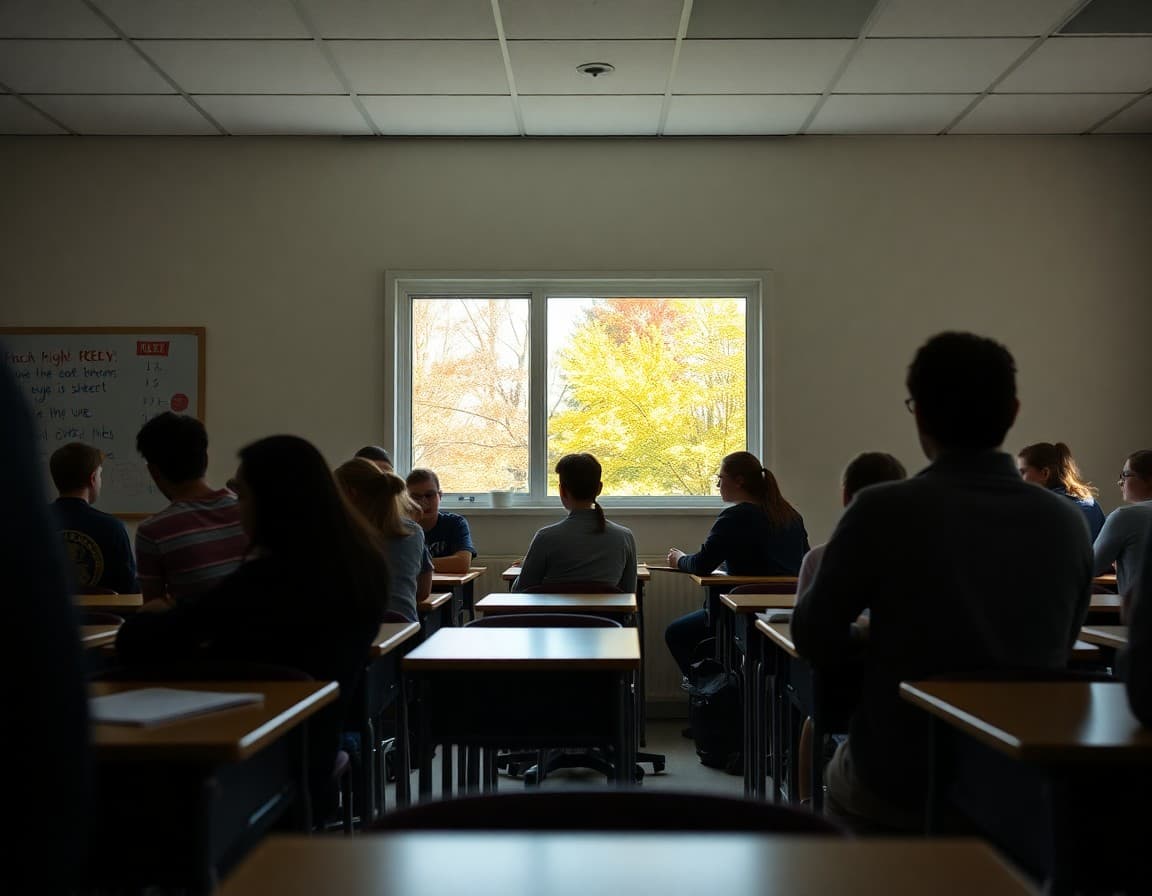
Maine high school teachers face a communication challenge that's easy to underestimate. Families span dozens of miles, internet access varies across the state, and students are old enough that parents sometimes assume they no longer need detailed updates. A well-structured newsletter changes that assumption. This guide covers what to include, how often to send, and how to write content that Maine families actually read.
Understanding Maine's High School Communication Context
Maine has 158 high schools, many of them small and rural. The average Maine high school enrolls fewer than 400 students, which means teachers often know families personally. That familiarity is an asset, but it can also lead to under-communicating because teachers assume news travels through informal channels. It does not, at least not consistently. A newsletter creates a single source of truth for every family, whether they live five minutes from school or 45.
Maine's Early College program lets high schoolers earn college credits at no cost, and families need clear guidance to take advantage of it. Newsletters are the right vehicle for that kind of ongoing education.
What to Include in Each Issue
Focus each issue on three to five items. More than that and families stop reading halfway through. A typical Maine high school newsletter issue should include one upcoming deadline, one academic update, and one extracurricular highlight. That structure takes about 20 minutes to write and gives families something concrete to act on.
Reliable sections that work month after month: course registration reminders, SAT School Day dates, scholarship deadlines, sports schedules, and brief notes from the guidance office. Rotate deeper content like college visit recaps or career pathway spotlights into occasional issues rather than every one.
A Template Excerpt That Works
Here is a section that Maine high school teachers have used successfully:
"This week in AP Environmental Science, we wrapped up our water quality unit using samples from [local river name]. Students presented findings to the class and practiced the data analysis skills they'll need on the AP exam in May. Next week we start atmospheric systems. If you have questions about AP exam registration, the deadline is [date]."
That format is specific, ties classroom work to outcomes families care about, and gives a clear next step. It takes two minutes to write and families remember it.
Reaching Families Across Maine's Geography
Rural Maine families may check email once a day or less. Send newsletters on Tuesday or Wednesday mornings when open rates are consistently higher than Mondays or Fridays. Keep subject lines concrete: "October Updates: Course Registration Opens Nov 3" outperforms "October Newsletter" every time.
Some Maine districts have families who speak Somali, French, or Spanish as a first language. Portland and Lewiston have significant ELL populations at the high school level. If your school serves those families, even a brief translated summary at the bottom of the newsletter signals that you are trying to include everyone.
Balancing Academic and College Prep Content
Maine high school families want to know their student is learning, but they also want guidance on what comes next. Junior and senior year newsletters should shift toward more college prep content: application timelines, financial aid deadlines (FAFSA opens October 1 each year), and information about Maine's scholarship programs like the Maine State Grant and the Harold Alfond College Challenge.
Freshman and sophomore newsletters can focus more on academic habits, extracurricular opportunities, and building the resume that will matter later. Telling families what to expect at each grade level reduces anxiety and positions the teacher as a long-term partner.
Handling Sensitive Topics Professionally
High school newsletters occasionally need to address difficult topics: attendance policy enforcement, academic probation, mental health resources, or community events that affect students. Keep this content factual and direct. Avoid language that could alarm families unnecessarily, but do not bury important information in vague phrasing.
Maine schools are required to notify families of certain policy changes under state law. When those changes land in a newsletter, lead with the practical impact for students rather than the policy language itself. Families absorb "starting January 1, attendance is taken every period" better than a paragraph of policy text.
Measuring Whether Your Newsletter Is Working
Open rate is the first number to watch. A Maine high school newsletter with a 40 percent or higher open rate is performing well. Below 25 percent suggests the subject lines need work or the send time is off. If your platform shows click data, track which links get clicks. Scholarship deadline reminders consistently outperform other link types at the high school level.
Ask families directly twice a year what they want more of. A three-question survey sent inside the newsletter takes families 90 seconds to complete and gives you a year's worth of content direction.
Getting Started Without Overcomplicating It
The biggest mistake Maine high school teachers make is waiting until they have something "worth saying" to send a newsletter. Families want regular contact, not polished publications. Start with a simple format: one classroom update, one upcoming date, one resource or link. Send it every two weeks. Adjust from there based on what families respond to.
Consistency matters more than perfection. A newsletter that goes out reliably every other Tuesday builds more trust than an elaborate production that appears twice a year.
Get one newsletter idea every week.
Free. For teachers. No spam.
Frequently asked questions
What should a Maine high school newsletter include?
A Maine high school newsletter should cover upcoming deadlines, course announcements, college prep information, and any state-specific testing dates such as SAT School Day or Maine's MCAS equivalent. Including contact information for guidance counselors and links to the school calendar rounds out a useful issue. Families in Maine often have questions about dual enrollment through Maine's Early College program, so a brief section on that opportunity each semester helps.
How often should high school teachers in Maine send newsletters?
Most Maine high school teachers send newsletters two to four times per month. Monthly is the minimum for staying connected, but bi-weekly issues keep families informed about fast-moving deadlines like scholarship applications and course registration windows. Teachers in rural Maine districts sometimes increase frequency during winter when road conditions limit in-person events.
Are there Maine state requirements for school family communication?
Maine does not mandate a specific newsletter format, but the Maine Department of Education requires schools to notify families about student progress, attendance policies, and rights under FERPA and IDEA. High school teachers should coordinate with their administration to confirm that newsletters align with the district communication policy and that opt-out preferences are respected for email distribution lists.
What topics resonate most with Maine high school families?
Maine families consistently engage with content about post-secondary pathways, particularly information about the University of Maine System, community colleges, and vocational programs. Sports and extracurricular updates also generate strong response rates. During maple sugaring season or hunting season, brief notes acknowledging community events show families that the school understands local life.
What tools do Maine high school teachers use to send newsletters?
Many Maine high school teachers use a dedicated newsletter platform rather than plain email to get better open rates and mobile-friendly formatting. Daystage is built specifically for school newsletters, making it easy to create professional issues that look good on phones, which matters given that many families in rural Maine access email primarily on mobile devices.

Adi Ackerman
Author
Adi Ackerman is a former classroom teacher and curriculum writer with 8 years in K-8 schools. She writes about school communication, parent engagement, and what actually works in real classrooms.
More for High School
Ready to send your first newsletter?
3 newsletters free. No credit card. First one ready in under 5 minutes.
Get started free