
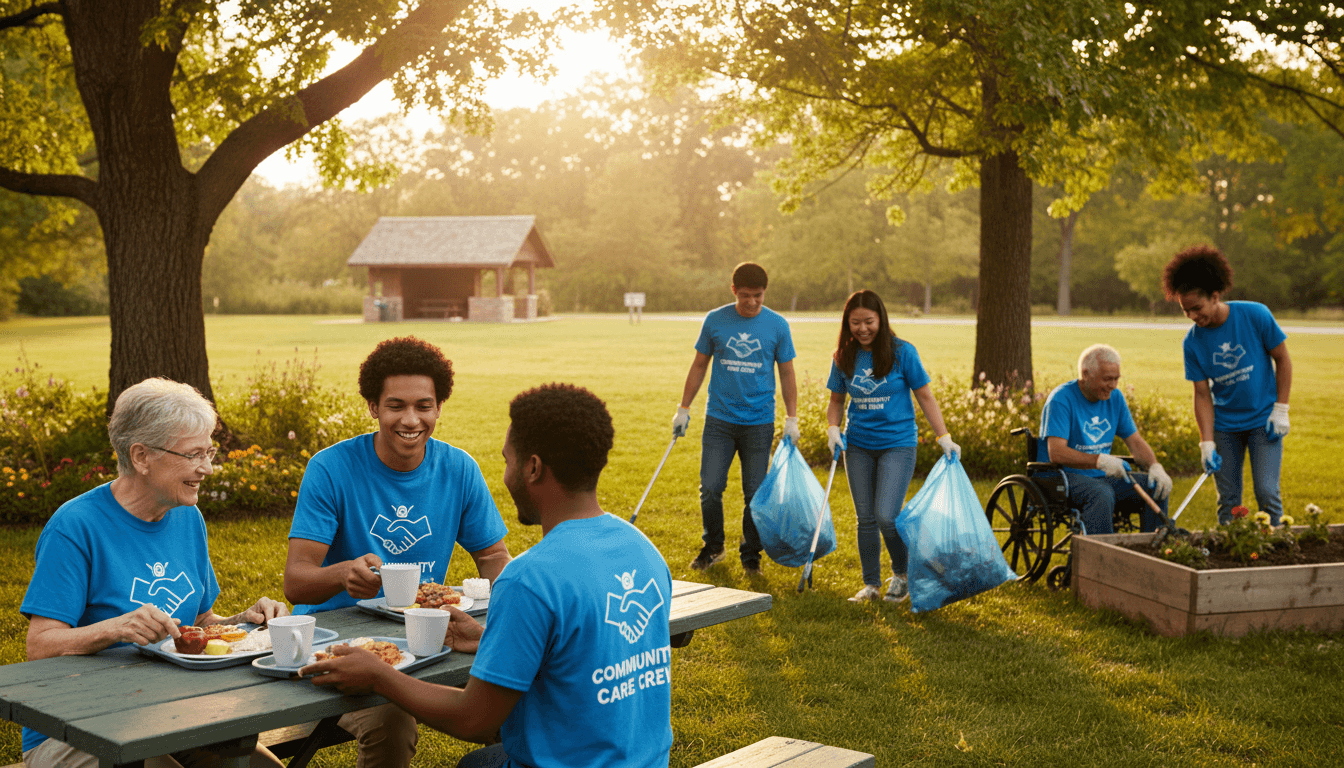
High School Community Service Newsletter: Communicating Graduation Requirements and Opportunities
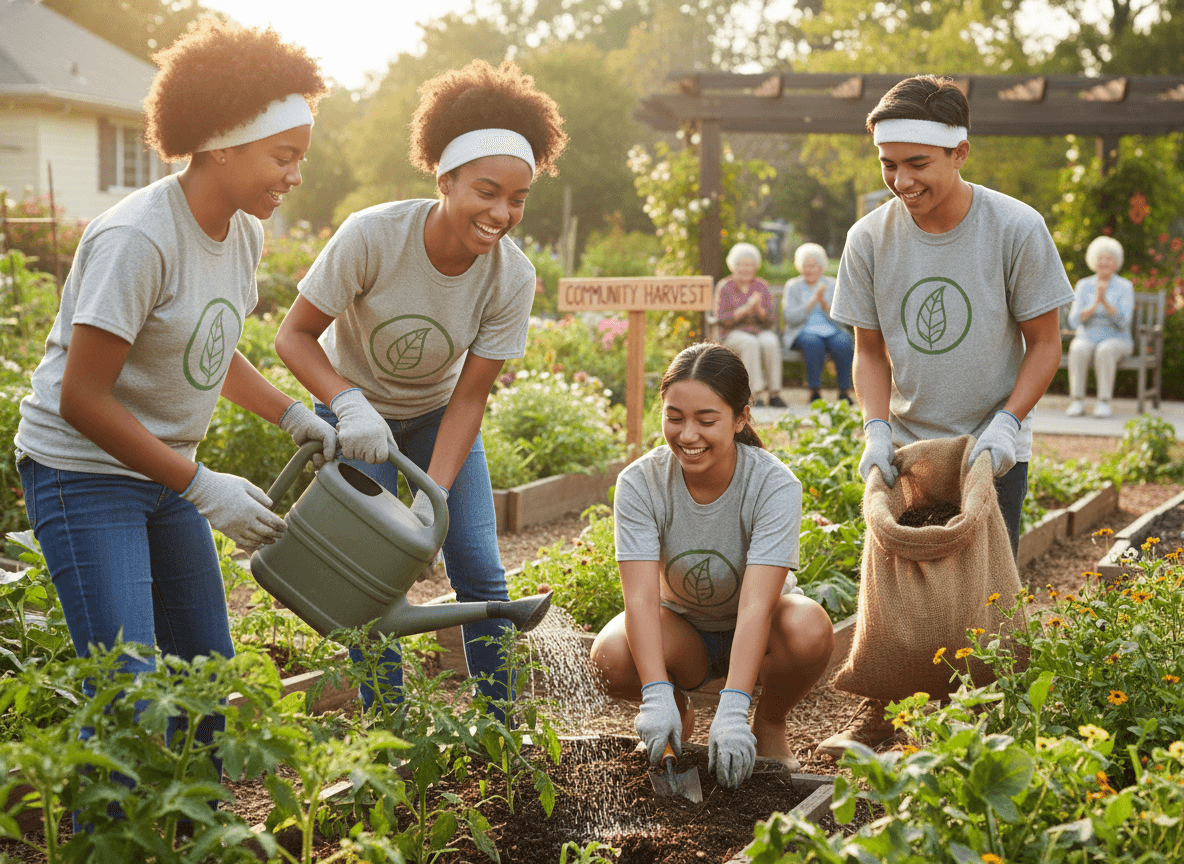
Community service graduation requirements create a predictable and avoidable crisis every year: seniors who discover in the spring that they are short on hours and have run out of easy time to accumulate them. This is not a motivation problem. It is a communication problem. Students and families who do not receive regular reminders about service hour requirements, verified opportunity lists, and submission procedures end up scrambling at exactly the moment when every other part of senior year is also demanding their attention.
A community service newsletter, started in the freshman year and continued through senior year, distributes the urgency across four years instead of concentrating it in April of senior year.
Communicating the Requirement Clearly From the Start
The service requirement communication failure often begins at freshman orientation, when a lot of information is delivered at once and the graduation requirement that feels four years away does not register. By sophomore year, students who have not started accumulating hours are already behind the recommended pace.
A freshman-year newsletter that communicates the requirement specifically sets the foundation. Include the total hours required, the recommended pace by grade level ("students should complete 10 to 15 hours per year to graduate on track"), how hours are verified and submitted, the difference between approved and unapproved service (some schools accept family or religious organization service hours, others do not), and who to contact with questions.
Send this newsletter in September of freshman year, and repeat a version of it every September. Each class of students is at a different point in their progress. The September reminder belongs to all of them.
Publishing a Verified Opportunity List
Students who want to complete service hours often spend more time trying to find an approved opportunity than they spend doing the service. A newsletter that includes a curated list of verified opportunities, organizations that the school has confirmed will document student hours in the required format, removes the biggest obstacle between a student who wants to get started and a student who is actually logging hours.
The list should include organization name, brief description of what volunteers do, age requirements, contact information, and whether the organization has flexible scheduling. Update it at least once per semester. Stale lists with defunct opportunities damage trust in the newsletter.
Seasonal Surges and Group Opportunities
Certain times of year produce volunteer opportunities that are easy to batch and access in groups. Holiday food drives and toy drives in November and December. Spring community cleanups in April. Summer reading program support at public libraries. Back-to-school supply drives in August.
A newsletter sent two to three weeks before each of these windows, with the specific opportunity, date, time, and sign-up link, produces better participation than a general reminder to "find service opportunities." The student who sees "Riverside Food Bank needs volunteers every Saturday in November from 9 to noon, sign up at [link]" is in a position to act. The student who sees "consider volunteering this holiday season" is not.
The Senior-Year Count: Giving Students Accurate Information
By the start of senior year, every student should know exactly how many hours they have completed and how many they still need. The newsletter reminder in August is not sufficient on its own, but it creates the expectation that students will check.
Tell seniors specifically where to find their recorded hour total, what the submission deadline is, and what options exist if they are short. If the school allows certain types of service to count that families may not know about, such as care for a family member with a documented need, or service through a religious organization with appropriate documentation, name those options directly.
Connecting Service to College Applications
Service hours are visible on college applications, and sustained service involvement reads very differently from a last-minute accumulation of hours in the weeks before the submission deadline. Use the newsletter to help juniors and seniors understand how to present their service experience in applications: what counts as meaningful involvement, how to describe the impact of what they did, and why consistent service over two or three years tells a more compelling story than the same number of hours completed in a short burst.
This is not about gaming applications. It is about helping students build a genuine service record while they still have time to, and understand how to communicate it accurately.
Get one newsletter idea every week.
Free. For teachers. No spam.
Frequently asked questions
When should high schools send community service newsletters to students and families?
Send the requirement overview in September of 9th grade so families understand the total hours needed across four years. A list of verified opportunities should go out each fall and spring semester. A senior-year audit communication in February or March gives students enough time to complete any remaining hours before the graduation deadline.
What should a high school community service newsletter include?
The total volunteer hours required for graduation, how hours must be documented and verified, a current list of approved opportunities with dates and contact information, seasonal group volunteering opportunities that are easy to organize, and a specific note for seniors on how their current hour count compares to the graduation requirement.
How should high schools communicate volunteer hour requirements clearly to families?
State the requirement in full hours from the start, not in terms of 'ongoing service' or 'community engagement.' A family that knows their freshman needs 100 hours over four years can plan differently than one that discovers the requirement as a graduation barrier in senior year. Grade-level milestones help families track progress annually.
What are common challenges with high school community service communication?
Many students reach senior year without realizing how many hours they still need because no one communicated a running count or midpoint check-in. Families also struggle to find eligible opportunities on their own, especially for students with limited transportation or flexible scheduling.
How can Daystage support high school volunteer hour communication?
Daystage allows schools to schedule an annual community service newsletter that goes out each fall and spring with updated opportunity listings, so families always have a current, actionable list rather than a PDF distributed once at freshman orientation that no one can find three years later.

Adi Ackerman
Author
Adi Ackerman is a former classroom teacher and curriculum writer with 8 years in K-8 schools. She writes about school communication, parent engagement, and what actually works in real classrooms.
More for High School
High School Department Chair Newsletter: How to Communicate with Families
High School · 5 min read
High School Mental Health Resource Newsletter: How to Communicate Support to Families
High School · 6 min read
High School Senior Year Newsletter: A Month-by-Month Guide for Families
High School · 6 min read
Ready to send your first newsletter?
3 newsletters free. No credit card. First one ready in under 5 minutes.
Get started free