
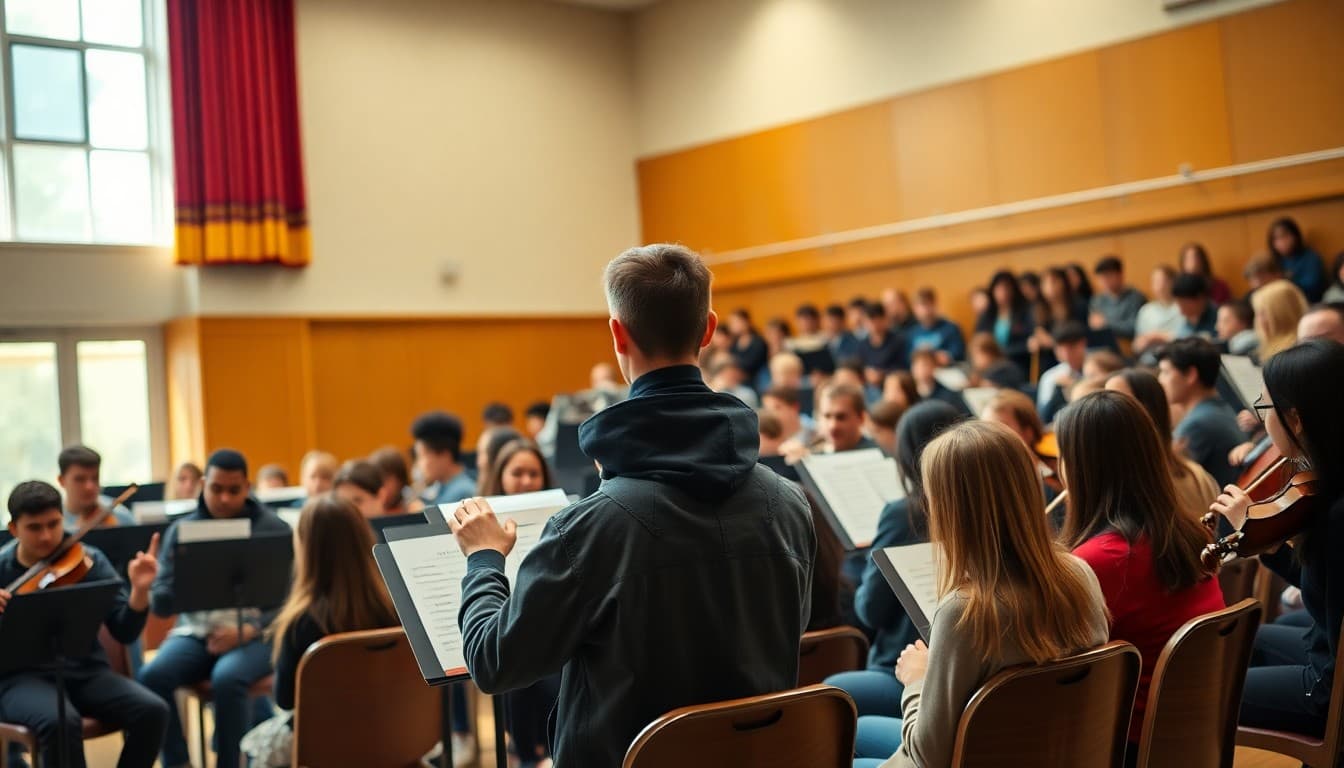
High School Symphony Newsletter: Performance Season Updates
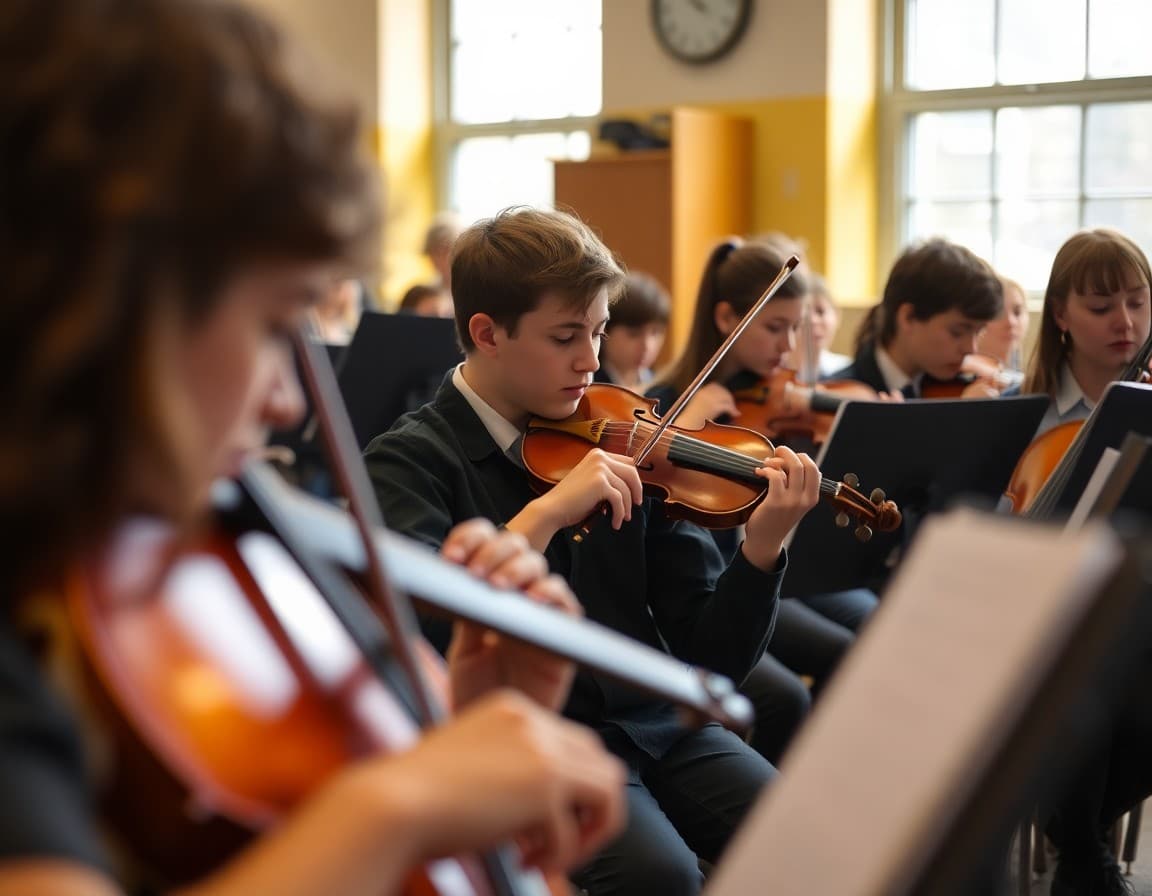
A high school symphony program runs across the full school year, from fall auditions through spring concert season. Families need to know about rehearsal schedules, concert logistics, and travel long enough in advance to plan accordingly. A consistent newsletter keeps orchestra families informed and builds the community that sustains a strong program year after year.
Start the Year with a Program Overview
Your first newsletter of the year should function as a program handbook summary. Cover the full concert schedule, audition timeline for chair placement, uniform policy, instrument rental or maintenance information, and fee structure if applicable. List the director's contact information and the best method for reaching the booster organization. Families who receive this information on day one carry it forward through the year rather than asking the same questions in October that were answered in September.
Announce Audition Results Thoughtfully
Seating auditions are a significant source of student anxiety and parent questions. Communicate results promptly once the director has finalized placements. In the newsletter, acknowledge that auditions have concluded, congratulate students who advanced, and note that any concerns about placements should be directed to the director privately. For programs where students audition for state honor orchestra or regional festivals, announce results immediately and recognize students by name and ensemble they earned a seat in.
Give Repertoire the Space It Deserves
Most orchestra parents hear their student practice pieces for weeks without knowing the composer, historical context, or why the director selected a particular work. A short repertoire section in each pre-concert newsletter changes that. Three to four sentences on each major work -- the composer's background, the piece's difficulty level, and what the orchestra found most challenging -- gives audience members a richer concert experience and signals that the program takes its musical choices seriously.
Concert Preview Template
Use this structure for the newsletter preceding each performance:
Winter Concert: [Date] | [Venue] | [Time]
Call time for students: 6:15 PM (in uniform)
Doors open: 7:00 PM
Program: Brahms Symphony No. 2, Shostakovich String Quartet No. 8 (arranged), Vivaldi Four Seasons highlights
Ticket link: [URL] -- suggested donation $8 adults / $5 students
Parking: Available in the west lot and on-street
Reception: Light refreshments in the lobby immediately after the performance
Families who receive this a week before the concert arrive on time, properly dressed, and ready to listen.
Travel and Festival Updates
Symphony programs often travel to regional festivals, honor orchestras, or invited performances. These trips generate more family questions than any other program event. Send a dedicated travel newsletter at least three weeks in advance covering departure logistics, performance schedule, hotel or billets information, meal arrangements, and a detailed itinerary. List emergency contact information for the trip and clarify what students need to bring. For adjudicated festivals, explain the rating system so families understand what the scores mean when they arrive.
Spotlight Student Achievements
When a student earns a seat in a district, region, or state honor orchestra, or is selected for an all-state ensemble, announce it in the next newsletter with the student's name, instrument, and the ensemble they joined. If a graduating senior commits to a college music program or earns a music scholarship, that news belongs in the spring newsletter. These recognitions validate years of practice and show the broader school community what the orchestra program produces.
Cover Booster and Fundraising Activities
Orchestra programs often depend on booster organizations for instrument maintenance funds, travel subsidies, and equipment purchases. Give the booster organization a standing section in each newsletter with upcoming events, fundraising goals, and how much the program has raised toward a specific item. Transparency about program finances builds donor confidence and helps parents understand why fundraising matters. A note like "we are $800 away from replacing the worn bow inventory" is more compelling than a generic donation appeal.
End the Year with a Performance Archive
The spring closing newsletter is an opportunity to summarize the season. List every concert performed, name students who earned external honors, thank parent volunteers and booster members by name, and provide a link to any recordings or photos archived from the year. Preview the following year's audition dates so motivated students and families can plan summer practice accordingly. A program that closes the year cleanly and communicates forward builds the kind of family loyalty that sustains a symphony program through budget cycles and administrative changes.
Get one newsletter idea every week.
Free. For teachers. No spam.
Frequently asked questions
What are the most important items to include in a symphony newsletter?
Concert dates and call times, audition results for seating and chair placement, repertoire with composer names and brief descriptions, uniform requirements, travel details for away performances, and opportunities for parent volunteers. A rehearsal schedule with any sectional dates and times is also helpful, especially when sectionals happen outside regular class hours.
How should I handle seating audition results in the newsletter?
Announce that seating has been determined and direct students to a posted list or private communication rather than publishing rankings in the newsletter. Recognizing students who advanced to a higher chair or earned a principal position is appropriate; publishing the full ranking order can create unnecessary comparison. Focus on the chair as one data point in a student's development.
How can a symphony newsletter build audience attendance at concerts?
Start promoting concerts four to six weeks out, include program notes that explain what pieces will be performed and why they are musically significant, and add a direct ticket or RSVP link in every issue. A short description of a challenging piece the orchestra has been working on builds curiosity and gives audience members context that enriches the listening experience.
What should travel and festival newsletters cover?
Departure logistics, host school or venue, performance schedule, what adjudicators or guest conductors will attend, dress code reminders, and any sightseeing or educational activities planned. If students will be billeted with host families, include a paragraph about the billets program and who to contact with concerns. Return time estimates matter most to parents who need to arrange pickups.
Can Daystage help orchestra directors send season newsletters?
Yes. Daystage lets orchestra directors send formatted newsletters with embedded concert programs, photo galleries from performances, and links to recording archives or ticket pages. It is designed for teachers who want a clean, professional output without spending significant time on layout.

Adi Ackerman
Author
Adi Ackerman is a former classroom teacher and curriculum writer with 8 years in K-8 schools. She writes about school communication, parent engagement, and what actually works in real classrooms.
More for High School
Ready to send your first newsletter?
3 newsletters free. No credit card. First one ready in under 5 minutes.
Get started free