

High School Student Leadership Newsletter: Class Officer Updates
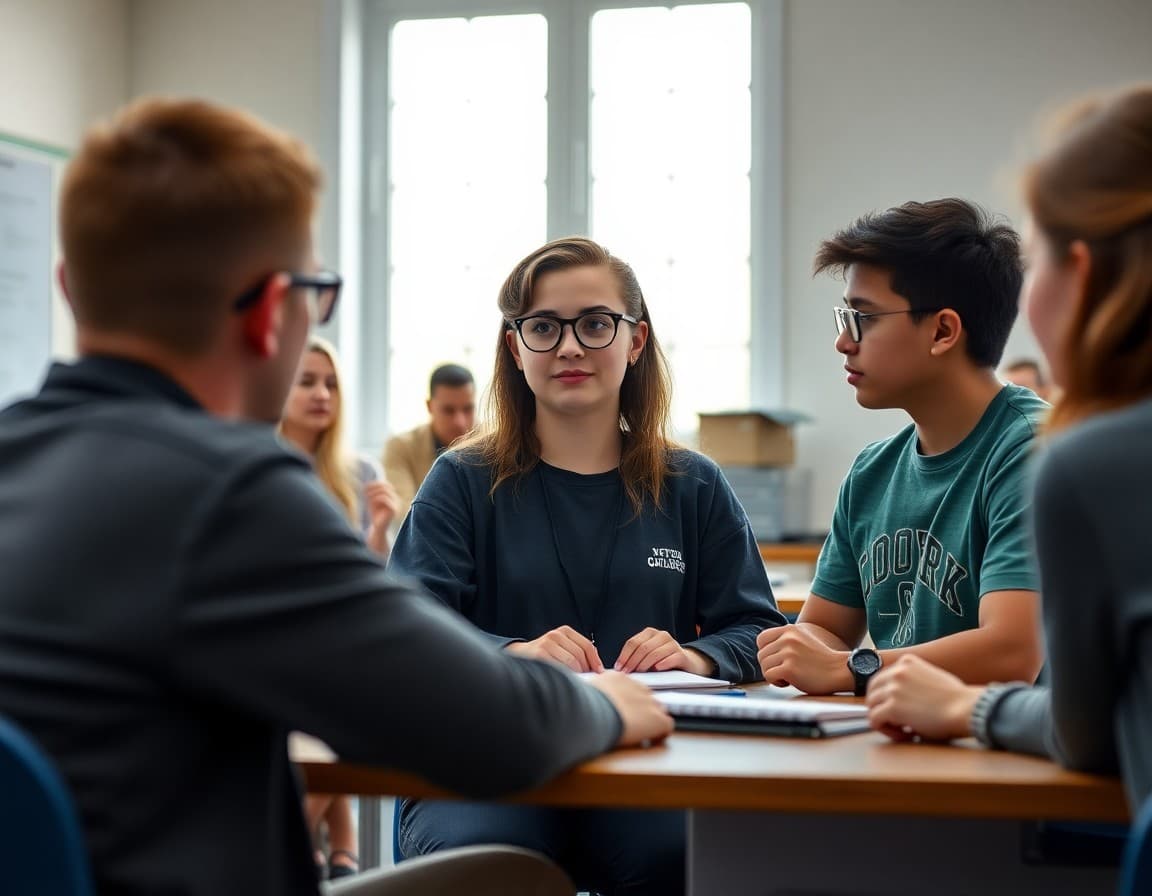
Student leadership newsletters serve two audiences simultaneously: the student body that needs to know what is happening and why, and the family community that wants to see student voice in school governance. A well-run student leadership newsletter program develops real communication skills in the students who write it, builds community among students who read it, and demonstrates to families that student government is a genuine leadership experience rather than an honorary title.
The Student Government Newsletter vs. the School Newsletter
Student government communication should be distinct from the school's general parent newsletter. The school newsletter communicates institutional information to families. The student government newsletter communicates student-to-student information with student voice. Both serve the school community but they should not be conflated. When student government writes a newsletter about the homecoming dance planning process, the audience is primarily the student body. When it includes an update about the student advisory committee's feedback on the new attendance policy, the audience includes both students and families. Know which audience you are writing for and adjust the voice and channel accordingly.
What Student Officers Should Write About
The best student government newsletters cover decisions with transparency. Not just "we are planning homecoming" but "we chose the theme Decades after 60 percent of students voted for it in the class survey. The venue is the school gym with the stage reconfigured for the DJ. Tickets are $25. The committee voted against an outside venue because it would have required a $40 ticket price." Decisions explained are decisions respected. When the student body understands how decisions were made, they are less likely to resent the outcomes. This is as true for high school class officers as it is for any other governance structure.
Recruiting Student Involvement
Every newsletter issue should include at least one call for broader student participation. Not a vague invitation to "get involved in school spirit" but a specific opportunity with a clear ask. "The homecoming committee needs 10 volunteers for the Friday night setup from 4 to 8 PM. Sign up by Wednesday at the student government room (Room 112) or email [officer name] at [email]." Specific asks with clear deadlines and a direct action step produce more volunteers than general enthusiasm requests. Student government newsletters that consistently generate volunteer participation are doing their most important work: building a school community that exceeds the 20 students who are officially on the leadership team.
Accountability: Reporting Back on Decisions
When student government makes a decision that affects the student body, the newsletter should follow up on that decision. The survey about the new lunch schedule got 340 responses. Here is what the data showed. Here is what the student advisory council recommended to the principal. Here is what the principal decided and why. Closing this feedback loop is the difference between student government that feels like a formality and student government that feels like actual representation. Students who see their feedback tracked and reported respond to the next survey. Students who submit feedback and never hear about it again stop participating.
Leadership Reflections: Student Voice in Every Issue
Include a 150-word reflection from a class officer in each newsletter. Not a summary of what the council did, but a genuine reflection on a leadership challenge they encountered. "When we were trying to decide between two venues for prom, we had divided opinions on the council and I had to figure out how to move us toward a decision without anyone feeling like their view was dismissed. Here is what I tried and what I learned." These reflections are the most memorable content in most student government newsletters. They demonstrate that leadership is not just planning events but developing the judgment to make decisions with incomplete information and diverse stakeholders. That lesson, stated plainly by a peer, lands differently than any adult could deliver it.
Get one newsletter idea every week.
Free. For teachers. No spam.
Frequently asked questions
What should a student leadership newsletter cover?
Cover upcoming events that student government is planning or has planned, decisions made at recent leadership meetings that affect the student body, opportunities for other students to get involved, fundraiser goals and results, and community service initiatives. Include one leadership lesson or reflection from a class officer in each issue. The newsletter should feel like communication from students for students, not from the administration through student representatives.
How do student leaders develop stronger communication skills through newsletter writing?
Having student officers write their own newsletter content is one of the highest-value aspects of the program. It requires them to consider their audience, organize their thinking, explain decisions clearly, and accept responsibility for how information lands. A junior class president who writes a newsletter explaining the prom venue decision and why it was made is doing the same communication work as any organizational leader. Adviser review ensures accuracy and appropriateness, but student voice should remain primary.
How often should student government send a newsletter?
Monthly is a sustainable cadence for most student government programs. A bi-weekly newsletter is better during busy event planning periods like homecoming or prom season. The newsletter does not need to be long: a 4-minute read covering upcoming events, one decision explained, and one way to get involved is more consistently read than a 10-minute comprehensive update. Frequency and length should match what the leadership team can actually produce with quality.
How do I make a student leadership newsletter feel student-written rather than administrator-written?
Let students choose what to include. Give them a structure (upcoming events, recent decisions, how to get involved) but let them fill it with their own content in their own voice. Accept that the writing will not be polished to a professional standard and that this is appropriate. A newsletter that sounds like a student wrote it will be read by other students. A newsletter that sounds like it came from the main office will be treated like every other administrative communication.
Can Daystage be used by student government directly to send their newsletter?
Yes. Daystage is simple enough that a student officer can manage the newsletter independently with minimal training. The student government treasurer could maintain the contact list, the communications officer could write and schedule sends, and the adviser could review before each send goes out. This kind of student ownership of the communication tool is itself a leadership development experience. Students who learn to use professional communication tools in high school arrive at college and entry-level jobs with a skill most of their peers lack.

Adi Ackerman
Author
Adi Ackerman is a former classroom teacher and curriculum writer with 8 years in K-8 schools. She writes about school communication, parent engagement, and what actually works in real classrooms.
More for High School
Ready to send your first newsletter?
3 newsletters free. No credit card. First one ready in under 5 minutes.
Get started free