
NHS and Honor Societies Newsletter: Communicating Academic Achievement Programs
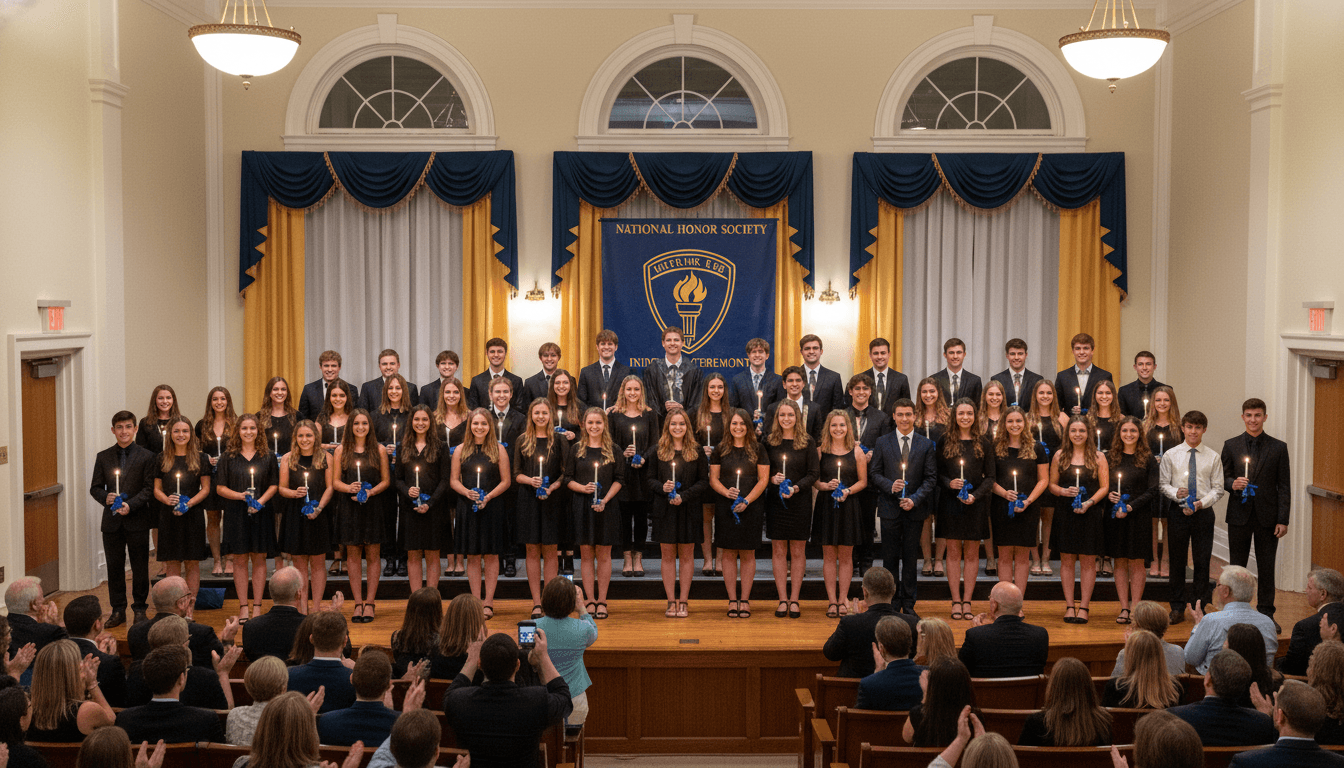
National Honor Society chapters and discipline-specific honor societies occupy a particular place in high school communication. They are selective, which creates both prestige and confusion. Families whose students qualify may not know the invitation process exists until after the induction window has passed. Students who received an invitation but did not understand the service and membership requirements find themselves removed from a program they valued.
An honor society newsletter solves both problems: it communicates the selection process proactively, and it keeps active members and their families informed about requirements and expectations throughout the year.
Pre-Induction Communication: The Window That Matters Most
Most NHS chapters invite eligible juniors in the spring of their sophomore year or fall of their junior year. The families who do not receive adequate advance notice of this process are not uninvested families. They are families who did not know how NHS selection worked, that it was happening, or that their student might be eligible.
A newsletter sent in January or February of the sophomore year, describing NHS eligibility criteria (GPA, character, service, and leadership standards at your specific chapter), the timeline for invitations and applications, and what the selection process involves, gives families the information they need to prepare their student rather than respond to an invitation they did not expect.
Include this newsletter annually. Every sophomore cohort and their families are navigating this process for the first time, even if the school has run the same process for decades.
Membership Requirements: Communicating What Is Expected
Many NHS removals and dismissals happen because members and their families did not fully understand the ongoing requirements at the time of induction. GPA maintenance thresholds, annual service hour minimums, attendance at chapter meetings, and participation in chapter service projects are all standard requirements, but families often receive this information once at induction and then rely on their student to relay it, which is unreliable.
Send a membership requirements reminder newsletter at the start of each school year, and again at the midpoint of the year. Specify the GPA required to remain in good standing, the number of service hours due by the end of the year, how hours are submitted, and what the consequences of falling short are. Families who know the specific requirements can help their student stay on track. Families who learned the requirements once at induction are managing from incomplete information.
Service Project Communication
NHS chapters typically run chapter-wide service projects alongside individual member service requirements. These projects are often among the most visible service contributions high school students make to their communities.
Use the newsletter to announce upcoming chapter projects, describe what they involve, and invite family and community participation where appropriate. After each project, include a brief summary: what was done, how many members participated, what the impact was. A blood drive that collected 47 units, a tutoring program that served 23 middle school students, a community cleanup that cleared three acres of park trail. Specific and concrete.
Recognizing Members and Communicating Achievements
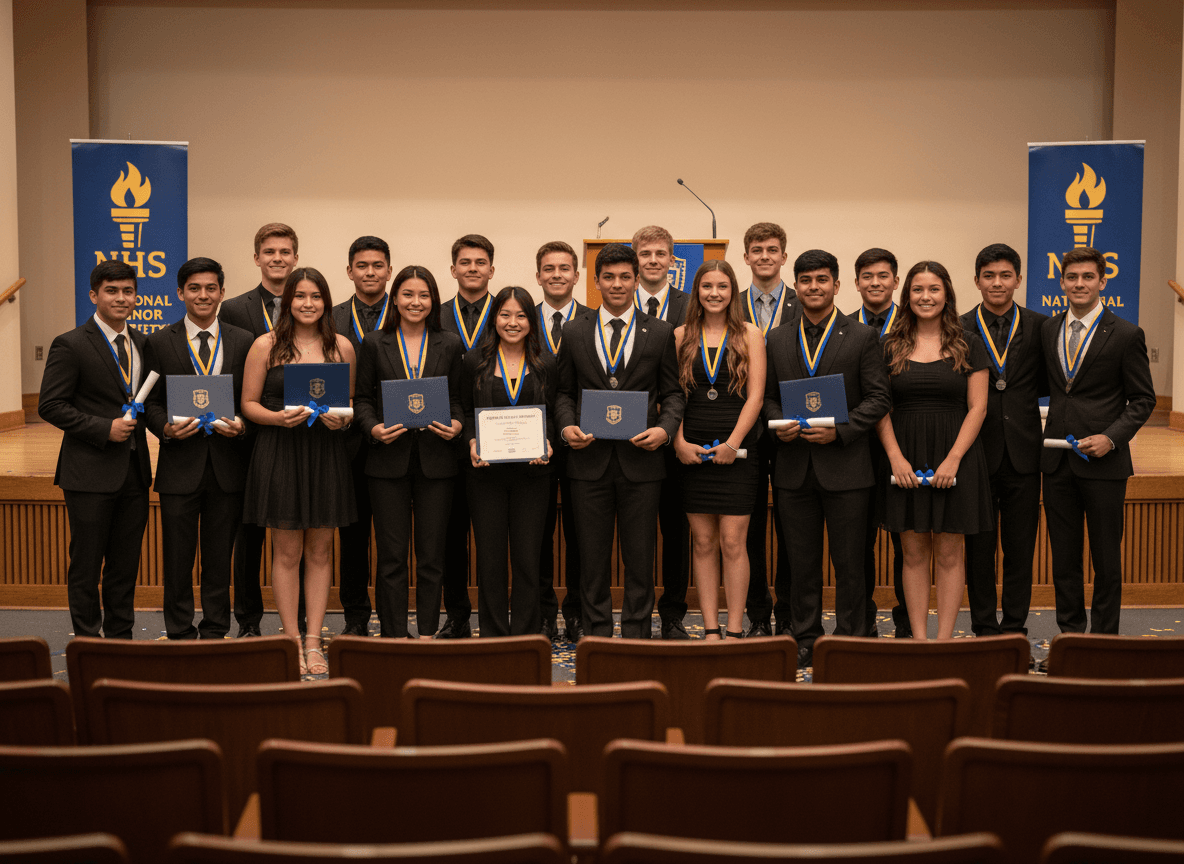
Honor society membership is one of the accomplishments families most want to share. A newsletter that recognizes members by name for specific achievements, new inductees at induction, members who received scholarship recognition, senior members completing their final year, gives families shareable content and builds community pride in the chapter.
If your chapter or school recognizes members through awards at the annual ceremony, announce the award categories and what they recognize in a pre-ceremony newsletter. Families who know what they are attending and why engage more meaningfully than families who receive an invitation to a ceremony without context.
Discipline-Specific Honor Societies
Beyond NHS, many schools have discipline-specific honor societies for math, science, world languages, social studies, and the arts. These are often even less visible than NHS and reach families primarily through individual teachers or department communications.
Consider a once-per-year newsletter issue that lists all active honor societies at the school, their eligibility requirements, and faculty advisors. This gives families a complete picture of academic recognition programs available and allows students to identify programs they qualify for but had not encountered. A student who earns a B or better in two years of Spanish may be eligible for Sociedad Honoraria Hispánica without knowing the society exists.
Get one newsletter idea every week.
Free. For teachers. No spam.
Frequently asked questions
When should high school NHS chapters send newsletters to eligible students and families?
Send the eligibility announcement in September or early October after fall grades are confirmed, with a clear application deadline. A pre-induction communication two weeks before the ceremony covers expectations and logistics. A post-induction newsletter to all members at the start of the year sets service hour requirements before they become a late-year scramble.
What should a high school honors society newsletter include?
Eligibility criteria including minimum GPA and which grade levels qualify, the application timeline, what the selection process involves, service hour requirements for active members, upcoming service opportunities, and recognition of members who have met requirements or achieved awards. Discipline-specific societies should also explain how they differ from NHS.
How should high schools communicate NHS membership requirements to families?
Put the service hour requirement, GPA maintenance standard, and attendance expectations in writing before induction, not after. Students in grades 10 through 12 who lose membership because they did not understand the ongoing requirements are a predictable and preventable problem.
What are common challenges with high school honors society communication?
The pre-induction window is where most NHS communication problems occur: eligible students do not apply because they did not know the timeline, or families are surprised by the service requirements after their student has already been inducted. Clear, early communication about both application and ongoing obligations prevents most of these situations.
How can Daystage support honors society newsletter communication for high schools?
Daystage allows NHS advisors to build a recurring communication sequence tied to the school calendar, so the eligibility announcement, application deadline reminder, and service hour update go out automatically rather than relying on the advisor to remember each send.

Adi Ackerman
Author
Adi Ackerman is a former classroom teacher and curriculum writer with 8 years in K-8 schools. She writes about school communication, parent engagement, and what actually works in real classrooms.
More for High School
High School Sports Booster Newsletter: Keeping the Athletic Community Informed
High School · 7 min read
High School Academic Intervention Newsletter: Communicating Support Without Stigma
High School · 7 min read
High School Debate Team Newsletter: Communicating the Season, the Format, and the Skills
High School · 5 min read
Ready to send your first newsletter?
3 newsletters free. No credit card. First one ready in under 5 minutes.
Get started free