

High School Graduation Communication: What to Send Families in the Final Semester
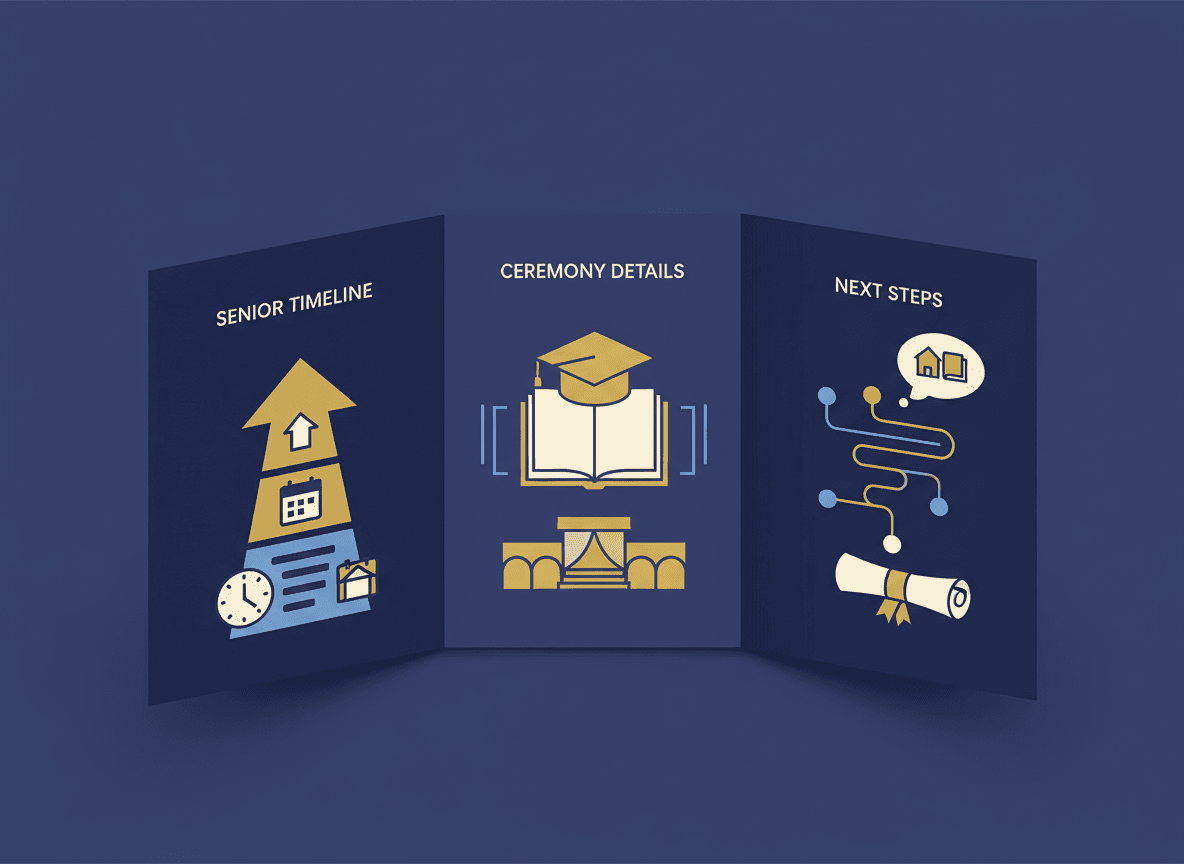
Senior year is when school communication failures have the highest stakes. A family that misses the graduation ticket request, discovers a credit deficiency in April, or does not know about the cap and gown deadline until it has passed is a family dealing with real consequences during what should be a celebratory time.
The final semester of high school requires a clear, well-timed communication cadence. This guide covers what to send, when to send it, and how to make sure the information actually reaches senior families before it is too late to act on.
The graduation communication calendar
Senior year communication should begin in the fall, not in the spring when it feels urgent. Families who receive graduation information early have more time to act, more time to ask questions, and less anxiety when May arrives.
A practical graduation communication calendar:
- September: Graduation requirements overview. What does a student need to graduate from your school? Credits, state exam requirements, community service if applicable, any senior-specific requirements. This newsletter should clearly explain what students are on track for and what the consequences are for students who have deficiencies. Include the name of the counselor to contact and how to schedule a meeting to review individual credit status.
- November-December: Cap and gown ordering deadlines and senior photos. These tend to have earlier deadlines than families expect. The newsletter should include the vendor, the deadline, and the ordering instructions. Include pricing and any options for fee assistance for families who need it.
- January-February: Credit completion check-in. By January, counselors have a clear picture of which seniors are on track for graduation and which are at risk. The newsletter can communicate the general message: "If your student has any credit deficiencies, you should have received a personal communication from their counselor. If you have not but have concerns about your student's graduation status, contact [counselor name] now. Spring semester is the last opportunity to address any remaining deficiencies."
- March-April: Graduation ceremony details. Where, when, how long, how many tickets, parking, accessibility information. Also include senior activities calendar: senior prom, senior skip day policy, class trip details, senior night events. This is often the most-read newsletter of the year.
- Late April-May: Final countdown. Exam schedule, graduation rehearsal details, last day of school, and diploma pickup or mailing information. Include a list of everything seniors need to do in the final four weeks: return textbooks, clear library fines, complete community service hours, return athletic equipment.
Credit deficiency communication: the hardest conversation
Credit deficiencies are the most sensitive graduation communication you will send. Handle it wrong and families feel blindsided, panicked, or betrayed. Handle it right and the problem is identified early enough to fix.
In the group newsletter, address credit deficiencies in general terms. The newsletter is not the place for individual conversations. It is the place to normalize the conversation and give families a clear path to getting individual information.
"Every student's path to graduation looks slightly different. If you have not already reviewed your student's graduation requirements with their counselor, we encourage you to schedule that meeting this semester. Students who have deficiencies will receive individual communication from their counselor. If you have not received that communication but have concerns, reach out directly."
This approach signals that the school is monitoring individual progress, provides a clear action path for families who want to check, and does not put families who are already managing a difficult situation on the defensive.
Making graduation information accessible to all families
Graduation is a milestone that all families want to participate in fully, and your communication needs to serve all families, not just the most engaged ones.
Translate graduation communications into the primary languages spoken in your community. Graduation ceremony logistics, ticket requests, and credit requirements are high-stakes enough to warrant translated versions for families whose primary language is not English.
Be explicit about accessibility accommodations for the graduation ceremony. Families of students or family members with mobility needs, hearing needs, or other accessibility requirements need to know what is available and how to request it in advance. Include this information in the ceremony details newsletter.
Address ticket equity directly. Most high schools have limited tickets for graduation ceremonies. A clear, fair lottery or distribution process, communicated in advance, prevents the anxiety and conflict that arise when families do not know how many guests they can bring.
Celebrating seniors in the newsletter
Senior year newsletters do not have to be purely logistical. Including celebration into the communication builds connection and marks the significance of the milestone.
A senior spotlight series, where one or two seniors per newsletter are briefly profiled with their post-graduation plans (with permission), gives the newsletter a human element. Families of non-featured seniors still see their class celebrated.
A brief note about the class's collective achievements, number of AP exams taken, scholarship dollars earned, athletic accomplishments, community service hours logged, makes the newsletter feel like a celebration of what this group of students has accomplished together.
After graduation: the post-ceremony newsletter
A brief newsletter after graduation serves several purposes. It thanks families for their engagement over the year, shares any information about diploma pickup or mailing, mentions alumni association information for families who want to stay connected, and closes the loop on senior activities.
This newsletter is brief. Two to three sections. But the families who receive it feel like the school took the time to say goodbye properly.
How Daystage supports senior year communication
Daystage allows you to create a dedicated subscriber list for senior families, so graduation communication can be sent specifically to the right audience without going to the entire school community.
The block editor makes it easy to include a clear timeline section, a FAQ section about common graduation questions, a contact section for specific inquiries, and a celebration section highlighting senior achievements. The consistent format across the senior year newsletter series helps families trust that they will find what they need in the same place every time.
Analytics in Daystage show which families opened each newsletter, which is useful for high-stakes communications like credit deadlines and ticket requests. If a family has not opened the newsletter with the ticket request deadline, a targeted follow-up can catch them before they miss it.
Make the last semester as clear as the first
Schools that communicate clearly at graduation send a message that the relationship with families did not end at enrollment. It carried through four years. The senior year newsletter series is one of the most meaningful communications you send. Families hold on to these in a way they do not hold on to routine school updates.
Write them like they matter. Because to the families reading them, they do.
Get one newsletter idea every week.
Free. For teachers. No spam.
Frequently asked questions
When should high schools send graduation newsletters to senior families?
Send the first communication in January of senior year covering the full graduation calendar, credit audit process, and ceremony date. Follow with a March update on credit completion status for any student with outstanding requirements, and a May logistics issue covering ceremony details, ticket distribution, and senior events.
What should a high school graduation newsletter include?
Graduation requirements and how families can verify their student's credit status, ceremony date, location, and ticket information, senior event calendar including prom and any senior week activities, cap and gown ordering deadlines, and post-graduation logistics like diploma pickup and transcript requests.
How should high schools communicate with families of seniors who are at risk of not graduating?
Contact those families directly and privately before sending the general graduation newsletter. A senior and their family learning about a credit deficiency from a mass newsletter is the worst possible version of that conversation. Private outreach in February or March gives families enough time to address the problem.
What are common challenges with high school graduation communication?
Families often do not realize their senior has a credit deficiency until it is too late to recover, because no one proactively audited and communicated the gap. A second problem is graduation logistics sent too late, leaving families scrambling for tickets, parking, and attire in the final week.
How can Daystage support high school graduation communication?
Daystage lets senior-year administrators build a graduation communication sequence that goes out automatically at each milestone in the final semester, so no critical send gets delayed because the counselor was managing a student crisis the week the newsletter was due.

Adi Ackerman
Author
Adi Ackerman is a former classroom teacher and curriculum writer with 8 years in K-8 schools. She writes about school communication, parent engagement, and what actually works in real classrooms.
More for High School
Ready to send your first newsletter?
3 newsletters free. No credit card. First one ready in under 5 minutes.
Get started free