

High School Freshman Survival Newsletter: Thriving in 9th Grade
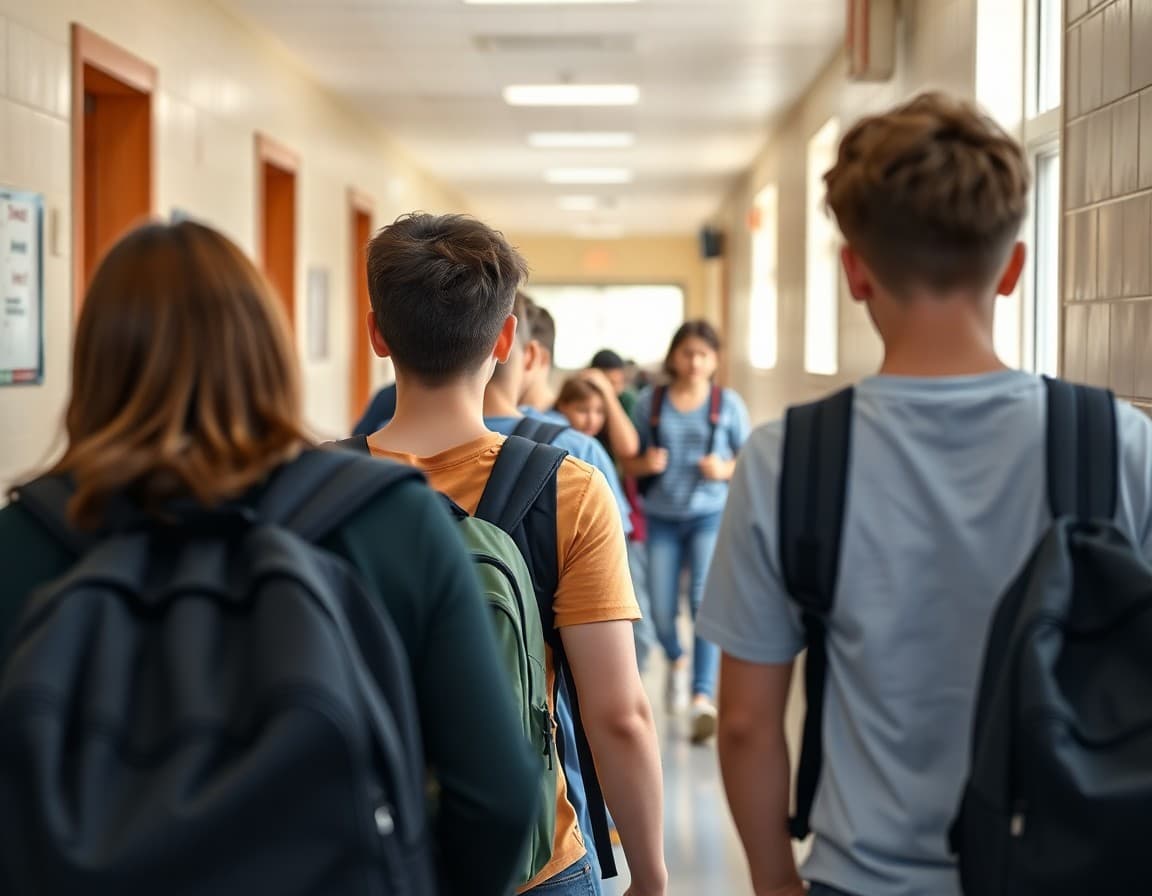
Freshman year is the most consequential year of high school. The research on this is clear: students who struggle in ninth grade and do not recover are significantly more likely to disengage from school entirely. Students who build strong habits in the first semester carry those habits through the next three years. A freshman survival newsletter is not optional content for counselors and teachers. It is a direct academic intervention delivered through family communication.
The First Month: What Freshmen Underestimate
Most incoming freshmen underestimate the pace of high school instruction. Middle school teachers often circle back, re-explain, and check for understanding more frequently. High school teachers cover material at a pace that assumes students who do not understand a concept will seek help during office hours or before school. Freshmen who wait to be reminded of a missing assignment or who assume the teacher will notice their confusion before it compounds are operating on a middle school model that no longer applies. The newsletter should name this shift explicitly: the responsibility for keeping up has shifted from the school to the student.
The Organizational System That Actually Works
Give freshmen a specific system rather than general advice. One subject-specific folder or section of a binder for each class. A paper planner or calendar app used immediately when each assignment is given, not at the end of the day when assignments are already fuzzy. A Sunday evening review: open every folder, check every class in the grade portal, and write out what is due the upcoming week in priority order. This takes 20 minutes on Sunday and saves 2 hours of panic on Thursday. Students who do this consistently from week three of school arrive at finals with notes they can find, all assignments turned in, and a general sense of what they have learned rather than what they missed.
When to Ask for Help and How
Many freshmen have never had to seek academic help from an adult they do not know well. Normalize this skill in the newsletter. Every teacher has office hours. Using them is expected and respected, not a sign of weakness. The script for asking for help is simple: "I'm confused about the difference between mitosis and meiosis. Can you explain the second one again?" Teachers who see a student who came to office hours are far more likely to give that student benefit of the doubt when grading a borderline assignment. The relationship built during office hours pays dividends beyond the specific help received.
A Sample Freshman Study Calendar
Here is a weekly structure that works for most ninth graders:
Sunday: 20 minutes planning the week. Write all due dates in your planner for Monday through Friday.
Monday through Thursday: 60 to 90 minutes of homework, starting with the most difficult subject. No phone during this block.
Friday: Review your folder for every class. Is anything missing? Is anything coming up next week that you have not started?
Saturday: One optional catch-up day. If you are caught up, rest completely. If you are behind, use this morning to get ahead.
Social Survival: The Part Nobody Talks About
High school social dynamics are more complex and more consequential than middle school. Freshmen who had a stable friend group in eighth grade sometimes find that group fragmenting as students join different sports teams, elective tracks, or lunch periods. This is normal and uncomfortable. Tell students directly in the newsletter: your social circle will probably shift in freshman year. This is not a failure. It is a feature. The activities you join in ninth grade determine who you will meet, and many lasting high school friendships start in clubs, sports, and electives rather than from middle school continuity.
What Parents Can Do Without Micromanaging
Give families a specific and bounded role. Check the grade portal once per week, not daily. Ask one question about school at dinner that is not about grades: "What did you learn today that was actually interesting?" Offer to help with organization but do not take it over. Know the counselor's name and email in case things go sideways. Trust that some struggle is productive and allow your child to experience it without immediately fixing it. Families who follow these guidelines consistently report better freshman-year outcomes than families who either disengage entirely or over-monitor every assignment.
Get one newsletter idea every week.
Free. For teachers. No spam.
Frequently asked questions
What are the biggest challenges ninth graders face in the first semester?
The transition to high school involves navigating a much larger building with multiple teachers, managing homework across six or seven subjects with different expectations, maintaining social connections while forming new ones, and for many students, encountering academic difficulty for the first time. Research consistently shows freshman year GPA is one of the strongest predictors of high school graduation. The first semester is genuinely high-stakes, and students who build strong organizational habits early outperform peers who wait to get organized.
What organizational systems work best for high school freshmen?
A physical or digital planner used daily makes the largest difference. Students who write down every assignment the moment it is given consistently turn in more work than students who rely on memory or apps they check inconsistently. One binder or folder per subject, cleaned out weekly, prevents the lost-in-the-binder problem that causes missing assignments for otherwise capable students. A weekly Sunday planning session of 20 minutes to review the upcoming week eliminates most Monday morning surprises.
How do I communicate about freshman year in a newsletter that reaches both students and parents?
Write for both audiences simultaneously. Open with what students need to know: the practical systems and strategies. Follow with what parents need to know: warning signs to watch for, how to have helpful conversations without micromanaging, and when to contact the school. Freshmen often dismiss advice that comes from parents but take the same advice seriously when it comes from a school communication. Your newsletter can bridge that gap by giving both the same information from an institutional rather than parental source.
When should parents intervene versus let freshmen struggle independently?
This is the central question of ninth-grade parenting. Intervene when grades in multiple subjects are declining after the first progress report, when a student shows signs of significant anxiety or social isolation, when a student stops communicating about school entirely, or when a teacher reaches out. Do not intervene when a student gets one bad test grade, forgets one assignment, or has a social conflict that is not escalating. Productive struggle is part of freshman year. The newsletter can name this distinction explicitly to reduce both over-intervention and under-response.
Can Daystage help counselors send a freshman survival newsletter series across the school year?
Yes. Daystage is well-suited for a year-long counselor communication series targeting freshmen families. You can schedule newsletters for the key transition moments: the first week, the first progress report, before finals, and the second semester start. Each send addresses the specific challenges of that moment in the school year. Counselors who use this kind of planned communication sequence consistently report fewer family crisis contacts because families received the information before the situation became acute.

Adi Ackerman
Author
Adi Ackerman is a former classroom teacher and curriculum writer with 8 years in K-8 schools. She writes about school communication, parent engagement, and what actually works in real classrooms.
More for High School
Ready to send your first newsletter?
3 newsletters free. No credit card. First one ready in under 5 minutes.
Get started free