
High School Career and Technical Education Newsletter: Communicating CTE to Families

Career and Technical Education programs are among the most misunderstood offerings in American high schools. Many families associate CTE with a non-college track and steer their students away from it without understanding what modern CTE programs actually offer. A well-written CTE newsletter changes that story.
What Modern CTE Actually Is
Lead your CTE newsletter by addressing the misperception directly. Modern Career and Technical Education is not vocational education as it existed in previous decades. It is a structured pathway through high school that combines academic coursework with technical training in a specific industry area, often leading to an industry-recognized credential before graduation.
CTE programs exist in health sciences, information technology, business, engineering, culinary arts, construction, early childhood education, finance, and dozens of other fields. Students who complete a CTE pathway may graduate with a certification, a portfolio of work experience, and a professional network in their field of interest.
The Certification Value
The most compelling part of a CTE communication for most families is the credential. Name the specific certifications available in your school's programs. "Students who complete the Health Sciences pathway may take the Certified Nursing Assistant exam and the CPR certification exam, both of which are recognized by local hospitals and healthcare employers" gives families something concrete to evaluate.
For programs with computing or business certifications, name those too. CompTIA, AWS, Google certifications, Microsoft certifications, and similar credentials have specific employment value that families can look up and evaluate on their own.
CTE and College Applications
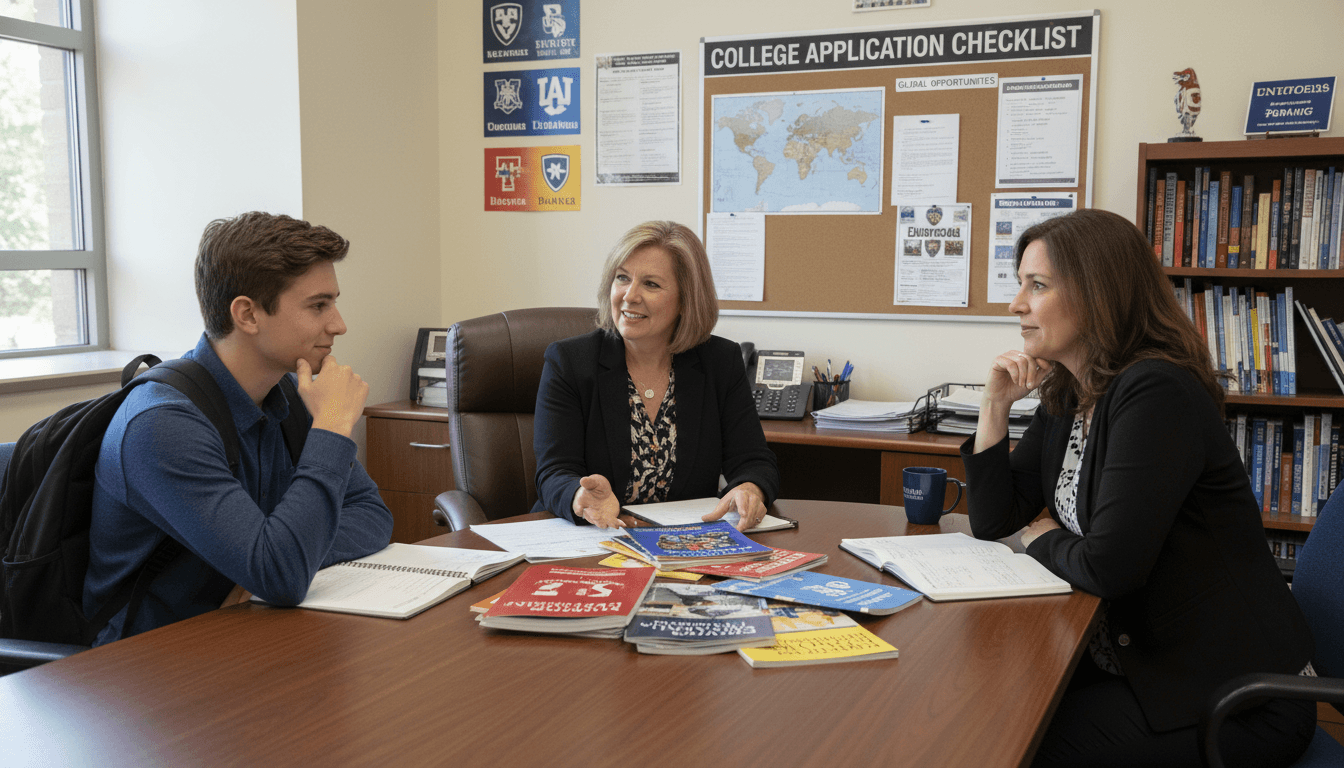
Address the college question head-on. CTE participation does not prevent students from applying to or attending four-year colleges. Many CTE students apply to colleges with a more compelling profile than their non-CTE peers because they have demonstrated applied skills, industry credentials, and practical experience.
Some CTE programs articulate directly to college credit at community colleges and state universities. If yours do, name the specific articulation agreements. "Students who complete our Information Technology pathway may enter the IT program at [community college] with 6 college credits already earned" is a powerful value statement.
Program Showcases and Employer Connections
If your CTE programs host industry nights, student showcases, or employer partnership events, communicate these to families in advance. Families who see student work presented to actual industry professionals understand the program at a level that no newsletter description can achieve. These events are your best CTE recruitment tools.
Get one newsletter idea every week.
Free. For teachers. No spam.
Frequently asked questions
When should a high school communicate about CTE programs to families?
During course selection season and at the start of each school year. CTE programs are often underenrolled not because students lack interest but because families lack information. A well-timed newsletter during course selection reaches families when the decision about the following year's schedule is actively being made.
What should a CTE newsletter explain to families who are unfamiliar with the programs?
That CTE programs offer career pathways in specific industry areas, that most programs lead to industry-recognized certifications that have real employment and college value, that CTE courses count toward graduation requirements, and that participation does not prevent students from applying to four-year colleges. All four of these points address common family misconceptions.
How should a high school communicate about CTE industry certifications?
With specificity about what the certification is, what it qualifies a student to do, what the certification exam involves, and what the credential is worth in the local job market. A credential that sounds abstract on paper becomes compelling when families understand that it can lead to employment or apprenticeship directly after graduation.
What CTE communication mistakes do high schools make?
Positioning CTE as an alternative for students who are not on a college track. This framing undersells the programs and limits the audience to students who have already been steered away from college. CTE is valuable for college-bound students too. A newsletter that addresses both audiences removes the tracking stigma.
How does Daystage help CTE departments communicate with families effectively?
Daystage supports sending CTE-specific newsletters to interested or enrolled families separate from the general school communication. CTE coordinators use it for program showcases, certification exam reminders, industry partner events, and graduate success stories that build program reputation over time.

Adi Ackerman
Author
Adi Ackerman is a former classroom teacher and curriculum writer with 8 years in K-8 schools. She writes about school communication, parent engagement, and what actually works in real classrooms.
More for High School
High School Transcript Newsletter: Helping Families Understand What Colleges Actually See
High School · 5 min read
High School Career Day Newsletter: How to Prepare Students and Families for a Meaningful Career Exploration Event
High School · 5 min read
High School Freshman Orientation Newsletter: Preparing Families for the Transition to 9th Grade
High School · 5 min read
Ready to send your first newsletter?
3 newsletters free. No credit card. First one ready in under 5 minutes.
Get started free