
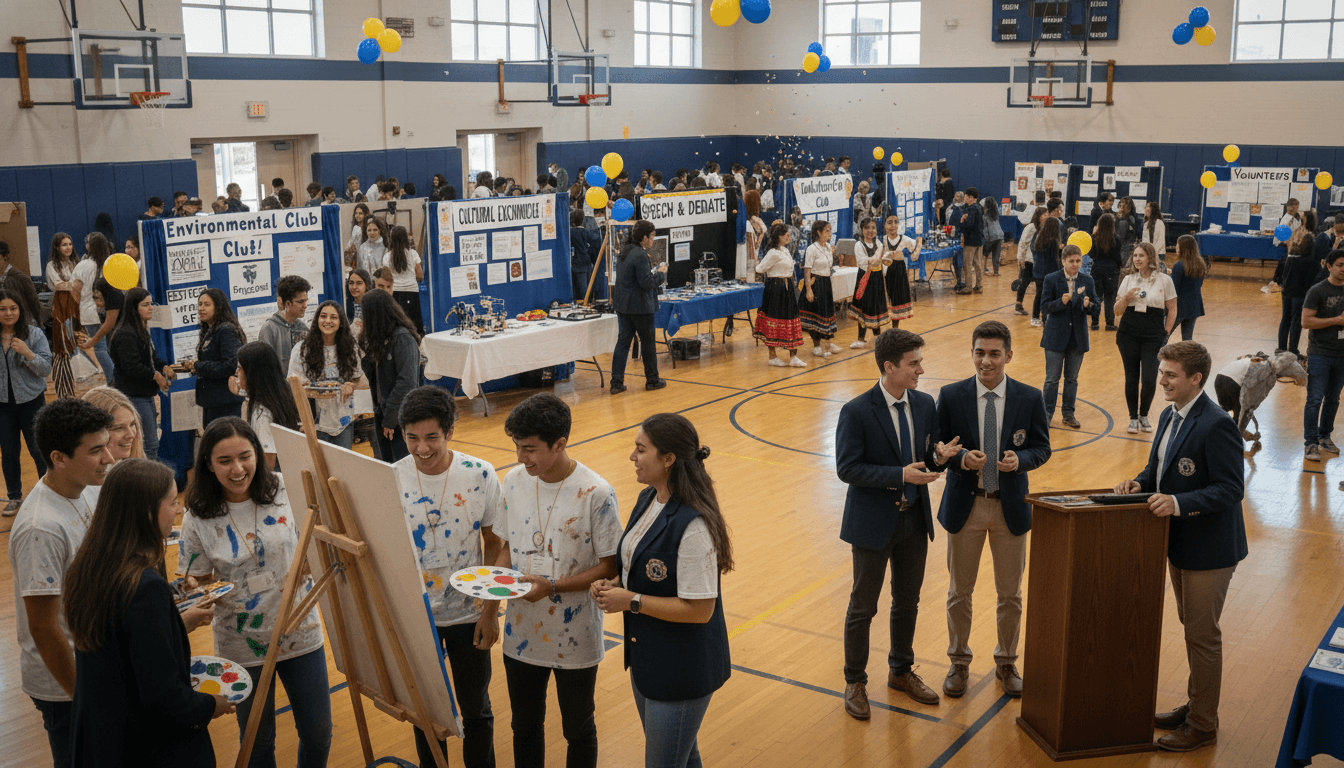
High School Clubs and Activities Newsletter: Communicating Extracurricular Opportunities
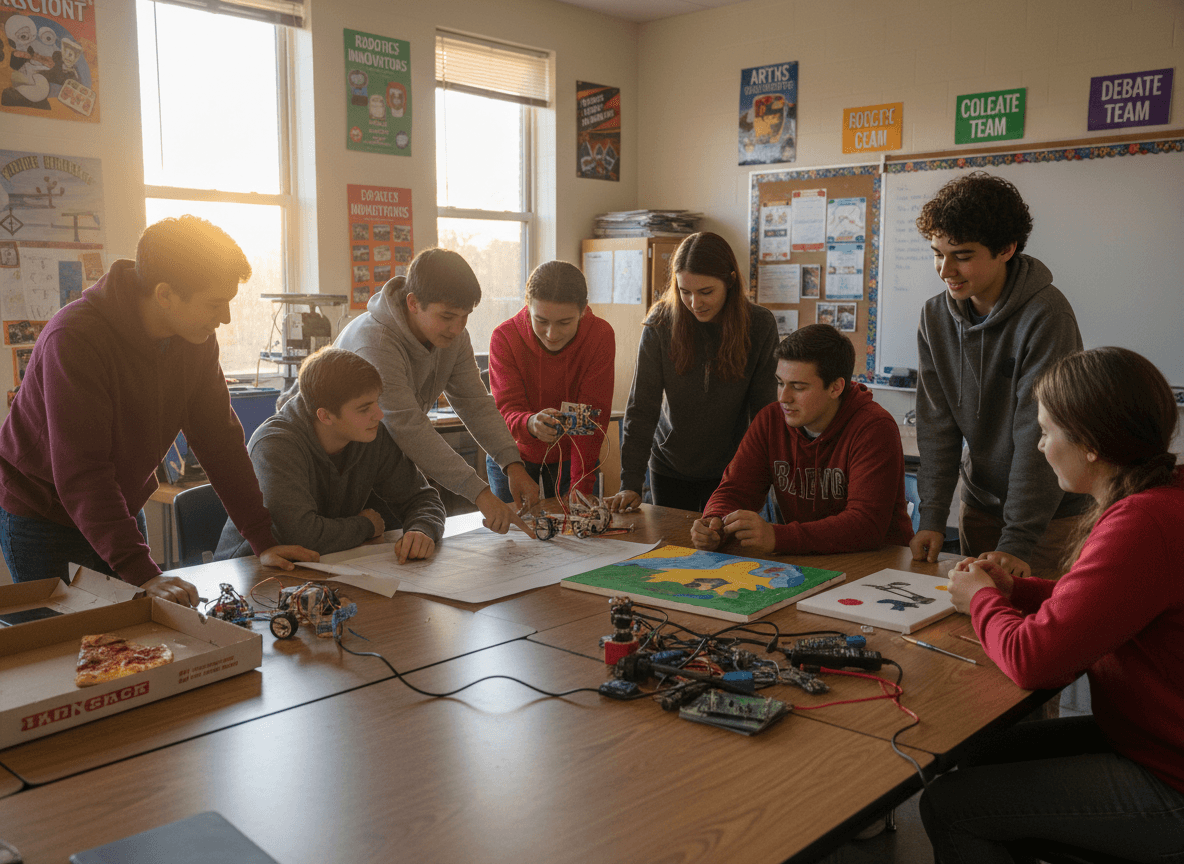
Extracurricular participation is strongly correlated with graduation rates, student belonging, and academic engagement. Students who are connected to at least one activity at their school are more likely to show up, stay enrolled, and graduate. And yet many high schools have clubs and activities that students do not know exist, meeting dates that are not communicated clearly, and a club fair at the start of the year that is the only organized communication families and students receive about extracurricular opportunities.
A consistent extracurricular newsletter does not replace the club fair. It keeps the information available year-round and makes sure that the student who was not ready to join anything in September has a way to find their place in February.
A Complete Activity Directory Sent at the Start of the Year
The most valuable single piece of extracurricular communication a school can send is a complete, current activity directory at the start of each school year. Not a list of club names. A directory with each club's name, faculty advisor, meeting day and time, room number, and a one- or two-sentence description of what the club does and who it is for.
This directory, sent as a newsletter in late September after activities have confirmed their schedules for the year, gives families and students a reference document they can return to throughout the year. Include a note that the list will be updated in January for any clubs that form mid-year. Follow through.
Featuring One Club or Activity Per Issue
The directory provides breadth. The featured club section provides depth. One club per newsletter issue, two or three paragraphs, written by or with students from the club. What do we do? Why should someone join? What is the most memorable thing we have done this year?
Rotate through the full range of activities: academic clubs, service organizations, arts groups, affinity groups, governance bodies like student council, and hobby or interest clubs. A student who would never join Model UN might be drawn to a newsletter feature about the school's film club or anime club or cooking club. The feature does its best work when it reaches students whose activity was not on their radar.
The Mid-Year Moment: Joining Late
High school students frequently assume that if they did not join a club in September, the window has closed. For most clubs, this is not true. A January newsletter that explicitly addresses this, "It is not too late to join most activities," and lists the clubs actively welcoming new members, converts students who would otherwise remain uninvolved for the rest of the year.
Include the specific entry point for mid-year joiners: who to contact, whether there is an orientation or just show up to the next meeting, and any requirements (some clubs have auditions or membership processes). Remove the uncertainty that prevents students from trying.
Starting a New Club: Communicating the Process
Students who want to start a club often do not know how. The newsletter is a good place to publish a brief, plain-language explanation: how many students are needed, how to find a faculty advisor, what paperwork the school requires, and the deadline for new club proposals.
Including this information signals that the school is open to student initiative, not just managing existing programs. It also produces new clubs that serve students whose interests are not yet represented in the current activity list.
Connecting Extracurriculars to College Applications
For juniors and seniors, extracurricular participation has direct relevance to college applications. A newsletter note that explains how colleges evaluate activity involvement, what makes an application activity section strong, and how to write about extracurricular experiences in a personal statement gives families a frame for why sustained involvement matters beyond the high school years.
This is not pressure. It is information. Many families do not connect their student's club membership to the college application until a counselor points it out. The newsletter can make that connection earlier, when it is still useful rather than retrospective.
Get one newsletter idea every week.
Free. For teachers. No spam.
Frequently asked questions
When should high school staff send extracurricular activity newsletters to families?
Send a complete activity directory in the first two weeks of school, then feature individual clubs or activities in the main school newsletter throughout the year. A mid-year issue in January noting which activities are still open for new members captures students who were not ready to commit in September.
What should a high school clubs and activities newsletter include?
A full list of available clubs and activities with meeting times and faculty advisors, instructions for joining, any tryout or audition requirements, the process for starting a new club, and a note on how extracurricular participation supports college applications for juniors and seniors.
How should high schools communicate the connection between extracurriculars and college applications?
Be specific: colleges look for sustained involvement in one or two activities rather than a long list of short-term memberships. A junior who joined debate as a freshman and became team captain has a stronger application story than one who listed nine clubs they attended twice. Sharing this with families of 9th and 10th graders shapes better decisions early.
What are common challenges with high school extracurricular communication?
Many students never learn what activities are available because the information comes out in the first week of school when they are overwhelmed, then disappears. Families of new students and transfers in particular miss the activity directory and spend the year uninvolved because no one told them the options.
How can Daystage help high schools communicate about clubs and activities?
Daystage allows schools to build a recurring extracurricular newsletter that goes out at the start of each semester, so new students and families who missed the fall outreach get a second chance to engage with what the school offers.

Adi Ackerman
Author
Adi Ackerman is a former classroom teacher and curriculum writer with 8 years in K-8 schools. She writes about school communication, parent engagement, and what actually works in real classrooms.
More for High School
High School Theater Production Newsletter: How to Communicate the Full Season
High School · 5 min read
High School Book Club Newsletter: Building a Reading Community Beyond the Required Curriculum
High School · 5 min read
High School Foreign Exchange Student Newsletter: Welcoming International Students and Their Host Families
High School · 5 min read
Ready to send your first newsletter?
3 newsletters free. No credit card. First one ready in under 5 minutes.
Get started free