
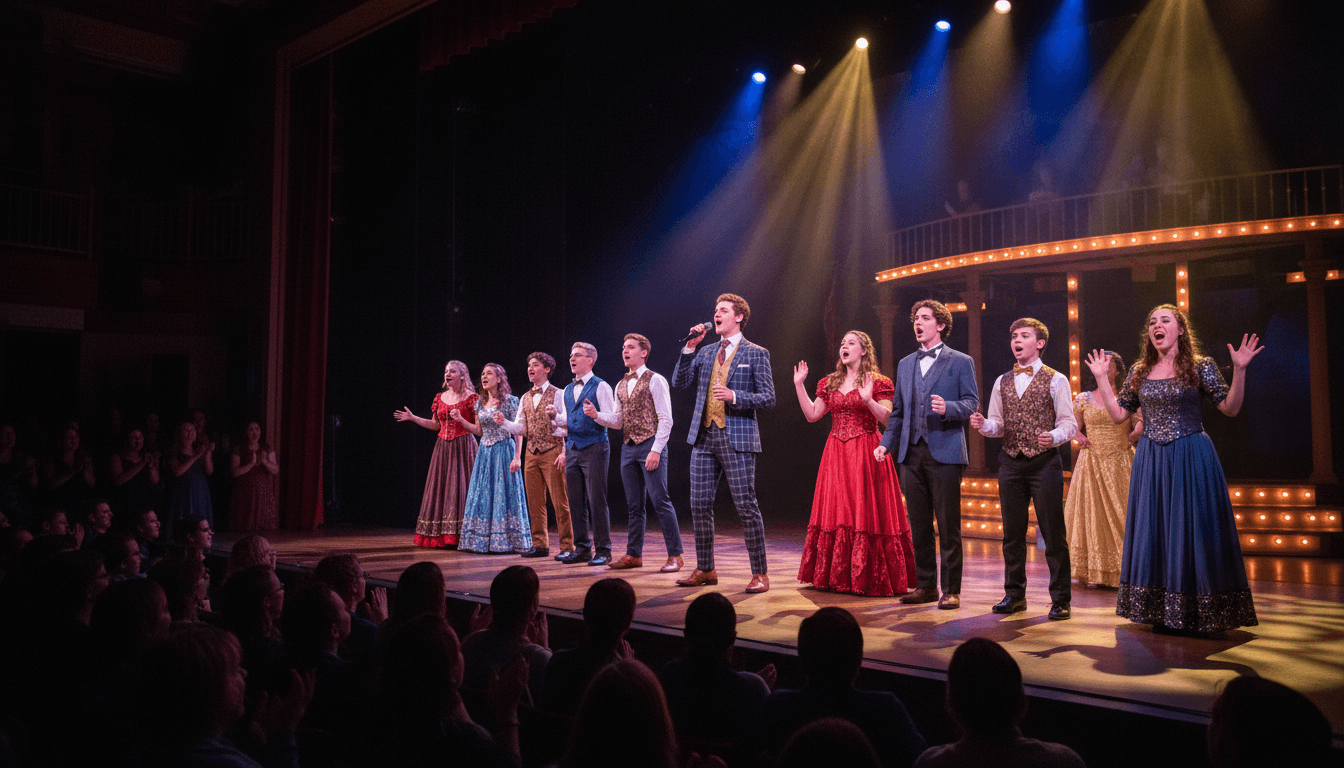
High School Arts Program Newsletter: Communicating Visual, Music, and Theater Programs
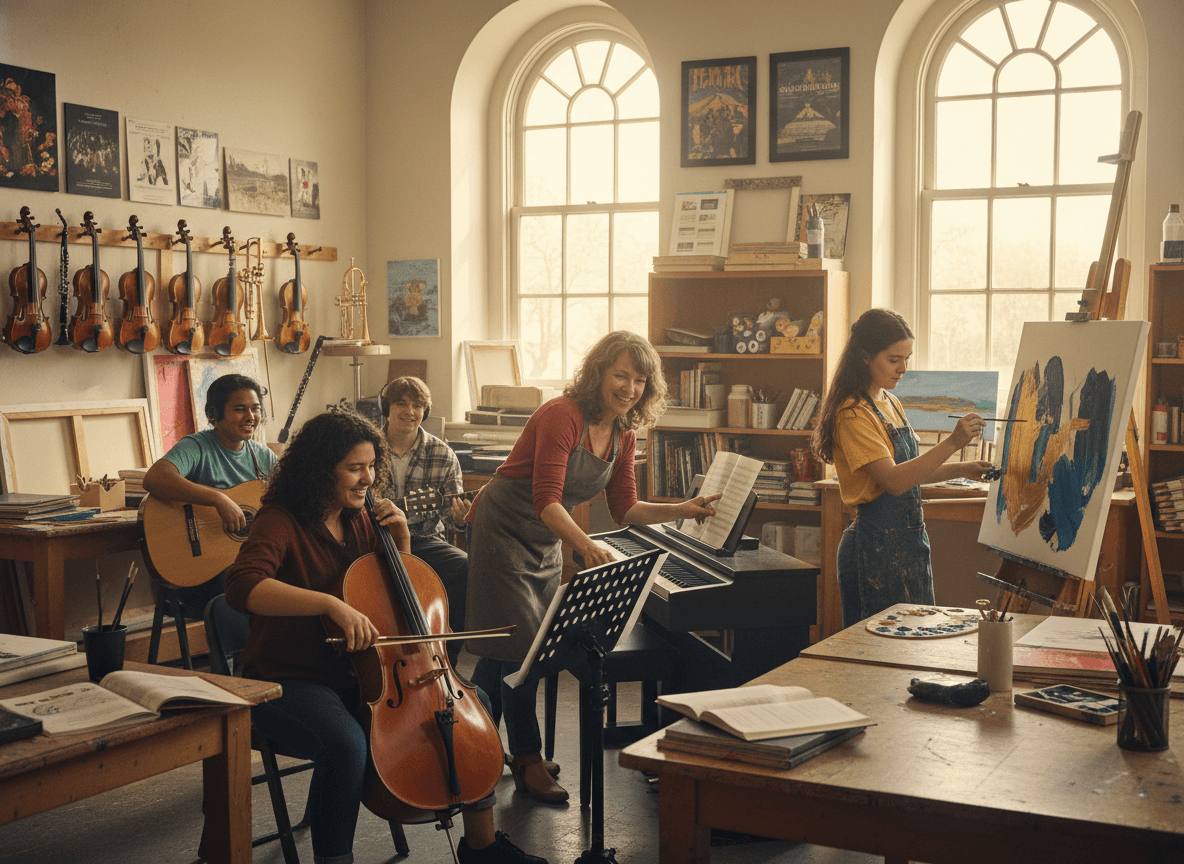
Arts programs in high schools carry a specific communication burden that athletics programs rarely face: they have to justify their existence in ways that sports do not. A newsletter that only announces upcoming performances is not doing the full job. It is leaving the advocacy work undone at exactly the moment when budget conversations and course enrollment decisions are being made.
An arts department newsletter that works does two things at once. It tells families what is happening and when. And it builds an ongoing case for why the program matters.
Covering Visual Art, Music, and Theater Without Losing Focus
Most high school arts programs span multiple disciplines. A single newsletter that covers choir, band, orchestra, visual art, ceramics, theater, and dance simultaneously risks becoming a bulletin board that no one reads closely.
The approach that works is a consistent structure, not a comprehensive one. Open with one featured story from any arts discipline, rotate quarterly. Then include a brief disciplinary calendar section with dates and events, organized by area. Keep the calendar tight: event name, date, time, location, and ticket or attendance details if applicable. That is enough. Families who are invested in a specific discipline will read their section. The featured story is what builds cross-discipline community.
Performance and Exhibition Announcements
Performance communication has a timing problem. Sent too early, the dates are forgotten. Sent too late, families already have conflicts. The rhythm that works: a full-season calendar in September or early October, a reminder newsletter two weeks before each major event, and a brief post-event acknowledgment in the following issue.
For visual arts, exhibitions often get less promotion than performances. An opening reception notice sent with the same urgency as a concert announcement, including venue details and whether the exhibition is available for viewing beyond the opening, treats visual art as the equal of performing art in the department's communication.
Showcasing Student Work in the Newsletter Itself
The arts newsletter is one of the few school newsletters where including student work directly in the content is both practical and powerful. A photograph of a student sculpture. A short excerpt from a student playwright's script. A brief note from a student about what they learned preparing for the winter concert.
This serves multiple purposes. It makes students feel seen. It gives families evidence of what the program produces. It gives administrators and community members who receive the newsletter a concrete picture of arts education in action. This kind of content does more to protect a department's budget than any abstract argument about arts education outcomes.
Communicating Opportunities: Competitions, Festivals, and Awards
High school arts students have access to significant external opportunities that many families do not know exist. State music festivals, regional art competitions, NFAA YoungArts nominations, district-level theater competitions, scholarship auditions. These do not surface automatically. They have to be communicated, with enough lead time for students and families to prepare.
When a student or ensemble places in a competition or earns a distinction, that belongs in the newsletter. Not as bragging, but as evidence that the program is producing students who compete successfully at levels beyond the school.
Building an Audience for the Arts Beyond the School Community
Arts programs thrive when their audience extends beyond families of current students. Alumni, community members, local arts organizations, and potential donors all have reason to care about a school arts program if they know it exists and know how to engage with it.
Consider whether the arts newsletter should have a version that goes beyond the current parent email list. Former students who participated in the program, community members who attended past performances, local arts council contacts. The newsletter becomes a cultivation tool for the program's broader community when it reaches people outside the immediate school family.
Making the Case for Arts Education
Once or twice per year, include a brief note on outcomes: college acceptances that cite arts portfolios, scholarship awards tied to arts achievement, alumni working in creative fields, or students who credit arts participation for their confidence, discipline, or problem-solving skills. Keep it short and specific. One graduate's story is more persuasive than a paragraph of research citations.
The goal is not to lecture families about arts education. It is to make the connection visible between what the department does and the outcomes that matter to families and to the school.
Get one newsletter idea every week.
Free. For teachers. No spam.
Frequently asked questions
When should high school arts programs send newsletters to families?
Send a program overview in September covering all arts offerings for the year, then issue-specific newsletters two to three weeks before each major performance, exhibition, or competition. A year-end issue that celebrates student work and previews auditions for the following year helps sustain enrollment in the program.
What should a high school arts program newsletter include?
Upcoming performance and exhibition dates, how families can attend or support events, showcase of current student work with photos or descriptions, competition results and recognition, and information about auditions, enrollment, or elective selection for students in grades 9 through 12.
How should high schools communicate the value of arts education to families?
Connect arts participation to outcomes that matter to high school families: skill development, college application strength, and specific student achievements. A single sentence noting that a junior's photography was selected for a regional exhibition is more convincing than a paragraph about the importance of creative learning.
What are common challenges with high school arts program communication?
Arts programs often compete for family attention with sports and academics and lose because their communication is less consistent. Another challenge is that arts newsletters tend to announce events without explaining the context, so families who are not already engaged do not know why they should attend.
How can Daystage help high school arts programs communicate with families?
Daystage makes it straightforward to include student work directly in the newsletter and to send event-specific issues on a planned schedule, so arts programs can maintain the same communication presence as athletic programs without requiring staff to build each send from scratch.

Adi Ackerman
Author
Adi Ackerman is a former classroom teacher and curriculum writer with 8 years in K-8 schools. She writes about school communication, parent engagement, and what actually works in real classrooms.
More for High School
High School Career and Technical Education Newsletter: Communicating CTE to Families
High School · 5 min read
High School Internship Newsletter: Communicating Work-Based Learning Opportunities
High School · 6 min read
High School Senior Capstone Project Newsletter: How to Keep Families Engaged
High School · 5 min read
Ready to send your first newsletter?
3 newsletters free. No credit card. First one ready in under 5 minutes.
Get started free