
Geography High School Newsletter: Learning Updates for Parents
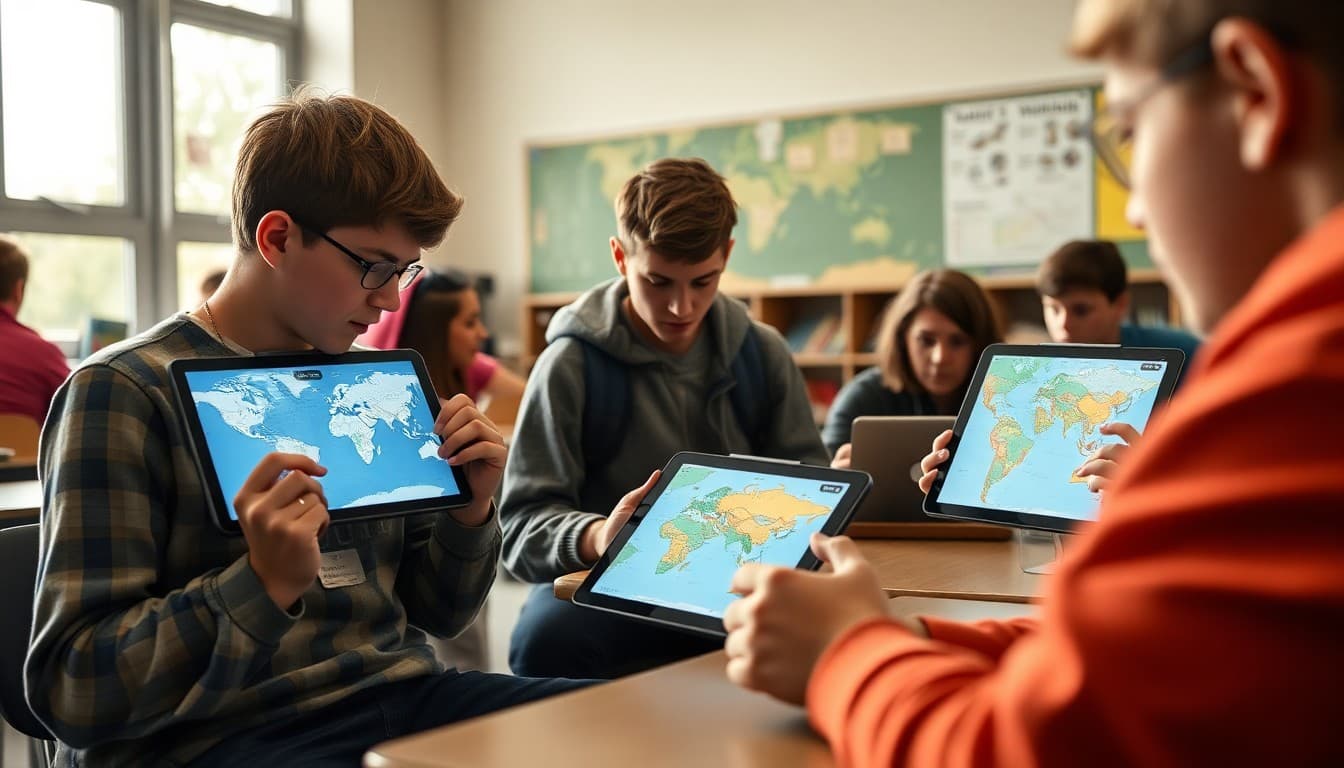
Your students are analyzing why Shanghai grew from 150,000 people to 25 million in one century. They are mapping migration flows, reading census data, and arguing about what drives rural-to-urban migration. Their parents think geography means memorizing capitals. A good newsletter fixes that misunderstanding fast and builds support for a course that is more rigorous than most people expect.
Lead With What Students Are Analyzing, Not Just What They Are Studying
There is a difference between "we are covering urbanization" and "students are analyzing why more than half the world's population now lives in cities and what that shift means for food systems, water access, and political power." The second version shows intellectual work. Use it in your newsletter. Parents who understand the depth of the analysis become advocates for the course when budget discussions come up.
Explain the Geographic Tools Students Are Using
Geographic tools like GIS (geographic information systems), dot density maps, choropleth maps, and cartograms are powerful but unfamiliar to most parents. When your students use them, explain what each tool shows and why it matters. "Students are using choropleth maps to visualize income inequality across countries. The color gradient shows which regions have the greatest economic gaps within their borders." That sentence tells parents something real about the skill their student is building.
Connect Physical and Human Geography to Current Events
Geography shows up in the news constantly. Migration crises, deforestation headlines, city housing shortages, climate and agriculture stories. When your unit connects to something in the news, mention it. Parents who make the link between classroom content and a story they heard that morning pay more attention to the class. It also gives students a reason to follow the news beyond what their teacher assigns.
Preview the Research Project Early
Geography often includes a significant independent research project where students choose a region, issue, or geographic question to investigate. Tell parents about it before it starts. Explain the format, the due date, and what a strong project includes. When parents know the project is coming four weeks out, they are far more likely to help their student choose a topic and manage their time than if they hear about it the night before it is due.
Set Expectations for AP Human Geography Specifically
AP Human Geography is typically taken by ninth or tenth graders, many of whom are encountering AP coursework for the first time. Parents of these students need to understand that the reading load and writing expectations are different from standard courses. Use your newsletter to say that plainly. "AP Human Geography expects students to read 10-15 pages of college-level material per week, write short analytical paragraphs, and prepare for an exam in May that includes multiple-choice questions and free-response essays." Families who know this from the start plan accordingly.
A Sample Geography Newsletter Section
Here is what a clear unit summary looks like:
"Unit 5: Agriculture and Rural Land Use. This month students are analyzing the differences between subsistence and commercial farming systems and arguing how the Green Revolution changed food security in South Asia. Students will complete a map analysis comparing agricultural land use across five continents and present their findings in a short class discussion on July 14."
That paragraph covers the unit, the intellectual argument, the activity, and the date in 63 words.
Include One Conversation Starter for Each Newsletter
Geography is everywhere once you start looking. Give parents a simple conversation prompt to try at home. "Ask your student why so many major cities were built on rivers." Or: "Look at a food label together and ask your student to find the country of origin for each ingredient, then find those countries on a map." These prompts reinforce learning and show parents the subject is about the real world, not just the textbook.
Send Faster With Daystage
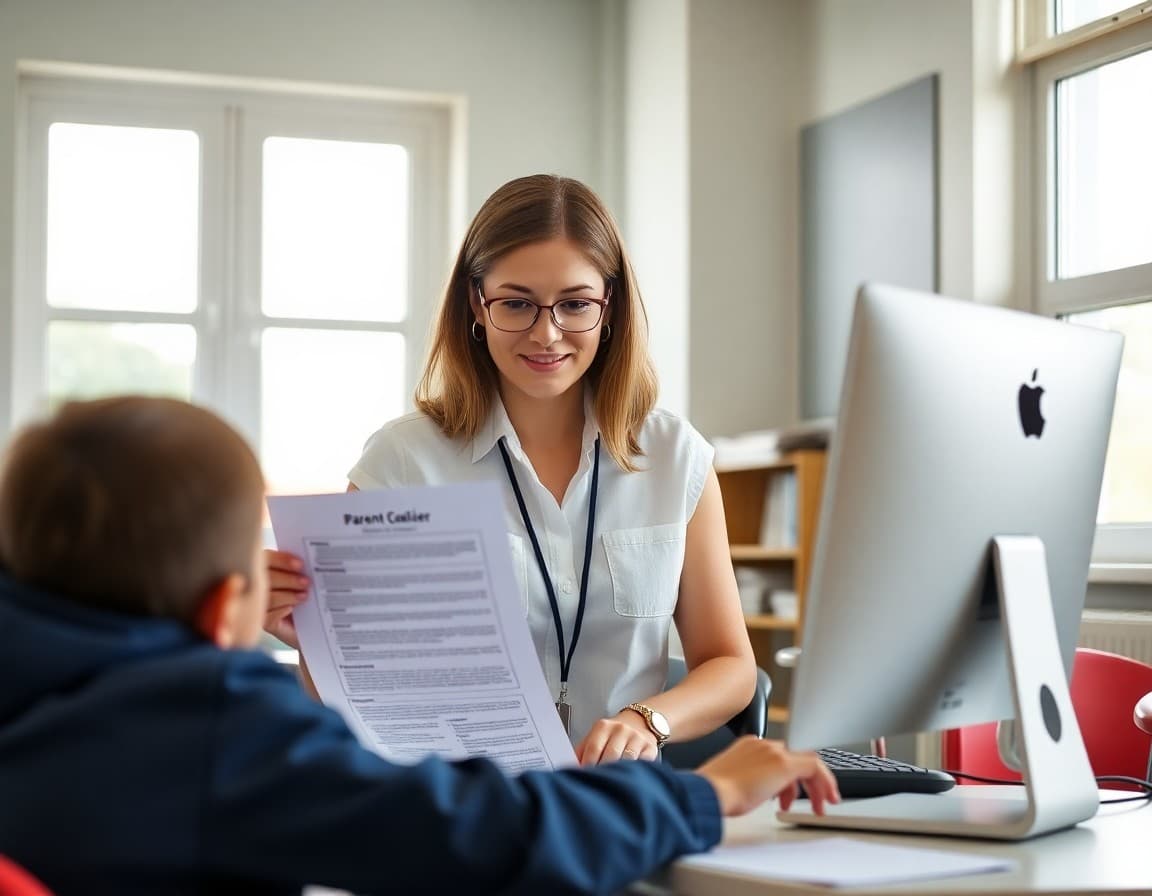
Geography newsletters work best when they go out consistently, once a month at minimum. Daystage makes that consistency possible without eating into your planning time. You build your newsletter in a clean editor, add your sections, and send to all families at once. The result is professional, readable on every device, and delivered reliably. For a course that deserves more credit than it often gets, a strong newsletter is one of the best tools you have.
Get one newsletter idea every week.
Free. For teachers. No spam.
Frequently asked questions
What should a high school geography newsletter cover?
Cover the current unit topic, whether it is physical geography, human geography, population, migration, or urban development. Name the geographic tools students are using, such as GIS data or thematic maps, and list upcoming project deadlines. A brief connection to a current global event makes the newsletter feel timely rather than procedural.
How do I explain AP Human Geography to parents who are unfamiliar with it?
Tell them AP Human Geography is the study of how people shape the places they live and how those places shape people in return. Students analyze migration patterns, city planning, agricultural systems, and political boundaries. It is a college-level course that requires reading academic sources and writing argument-based essays. Framing it that way helps parents understand both the rigor and the relevance.
How do I communicate about map-based projects in a newsletter?
Explain what students are mapping and why. If students are creating a thematic map of world population density and then arguing which regions face the greatest urbanization pressure, say that. Parents who understand the analysis component see the project as rigorous work rather than a coloring activity.
How should I address climate and environmental topics in a geography newsletter?
Focus on the geographic framework: which regions are most affected, what physical processes are involved, and what human choices have contributed to the patterns students are analyzing. That approach keeps the newsletter informative and analytical without becoming politically charged. Parents appreciate the distinction between studying a phenomenon and advocating for a policy.
What is the best tool for sending a geography class newsletter to all parents?
Daystage is a fast, clean option for teachers. You write your content, organize it into sections, and send to every parent at once. The platform handles delivery and formatting so families get a readable newsletter on any device. It takes far less time than formatting a PDF or managing a distribution list manually.

Adi Ackerman
Author
Adi Ackerman is a former classroom teacher and curriculum writer with 8 years in K-8 schools. She writes about school communication, parent engagement, and what actually works in real classrooms.
More for High School
Ready to send your first newsletter?
3 newsletters free. No credit card. First one ready in under 5 minutes.
Get started free