

Georgia High School Newsletter Guide for Teachers
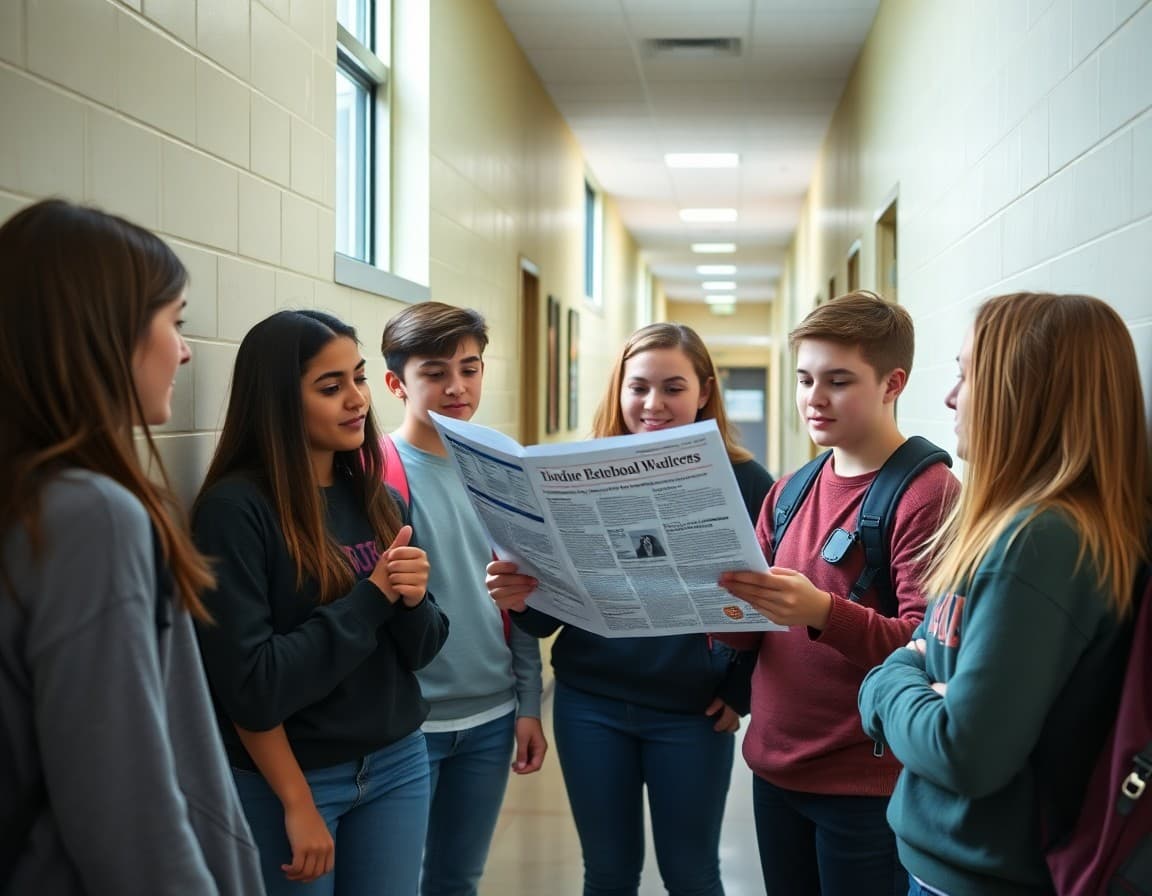
Georgia high school teachers work in a communication environment where families get less engaged as students get older, even as the academic decisions get bigger. Course selection for dual enrollment, HOPE Scholarship GPA management, college application timelines -- these are consequential choices that families need information to support. A well-structured monthly newsletter is the most efficient tool for delivering that information consistently throughout the school year.
Georgia High School Communication Context
Georgia does not have a law that mandates high school teacher newsletters, but the Georgia Department of Education's Title I family engagement requirements affect the many high-poverty high schools across the state. Beyond Title I, Georgia's focus on college and career readiness -- embedded in the Georgia College and Career Readiness Performance Index (CCRPI) -- makes family communication about post-secondary planning a natural priority. Districts like Fulton County, DeKalb County, and Richmond County have their own communication guidelines that teachers should check before setting up a newsletter cadence.
The HOPE Scholarship: What Every Georgia High School Newsletter Should Cover
The HOPE Scholarship and Zell Miller Scholarship are Georgia's most valuable college funding programs, and the eligibility requirements are tied directly to high school GPA. HOPE requires a 3.0 GPA in core courses; Zell Miller requires a 3.7 GPA. These thresholds are calculated at graduation, meaning that a student who slips in 10th grade has two years to recover. Your newsletter can carry a quarterly GPA checkpoint reminder from 9th through 12th grade: "HOPE eligibility check: if your student needs a grade recovery plan, I am available every Tuesday after school and through email." That one reminder per quarter is worth more than a senior-year panic session.
Dual Enrollment: Georgia's University System and TCSG
Georgia offers dual enrollment through both the University System of Georgia and the Technical College System of Georgia. The application window typically opens in fall for spring enrollment and spring for fall enrollment. Students need a 3.0 GPA in relevant subjects and teacher or counselor recommendation. A newsletter section from September through November covering these requirements annually ensures that families who are new to dual enrollment understand the opportunity while there is still time to act.
Georgia Milestones EOC Exams: Preparing Families
Georgia Milestones End-of-Course exams count as 20% of the final course grade for each tested course. That is a significant weight that families need to understand in September, not April. Your newsletter's first two issues of the year should explain which courses have EOC exams, when the test windows are, and how the 20% formula works. A family that knows their student's course grade will be modified by an EOC exam has a strong reason to take test preparation seriously.
Template Excerpt: January Georgia High School Newsletter
A sample January opening section for a 10th grade ELA teacher:
"January is a critical month for 10th graders. We are finishing our final writing unit before the Georgia Milestones EOC window in April, which counts as 20% of your student's final grade. Please check your student's current grade in Infinite Campus this week. Students below 75% in the class need a recovery plan now, not in March. I hold office hours Mondays and Wednesdays from 4:00 to 5:00 PM in Room 302. HOPE Scholarship GPA check: students need to maintain a 3.0 cumulative GPA in core courses through graduation."
Senior Year: A Separate Communication Track
Seniors need information that is completely different from what freshmen need. FAFSA priority deadlines (Georgia's state aid programs have an early January priority deadline), graduation rehearsal logistics, cap and gown ordering, senior trip planning, and AP exam registration are all senior-specific topics that clutter a general class newsletter. If you teach seniors, consider a parallel senior-focused update that goes monthly from September through May. This can be a single additional page or a separate email depending on your setup.
Keeping Georgia High School Families Engaged Year-Round
Family engagement at the high school level is harder to maintain than at elementary because students gate information more actively. A monthly newsletter that is specific, brief, and action-oriented keeps families in the loop without requiring students to be the messengers. Write it in the voice of someone explaining the month to a friend: what is happening, what families need to do, and what they should watch for. That directness is what keeps high school newsletters useful instead of ignored.
Get one newsletter idea every week.
Free. For teachers. No spam.
Frequently asked questions
What should a Georgia high school teacher newsletter include?
Georgia high school newsletters should cover current course content and upcoming assessments, Georgia Milestones EOC exam windows, dual enrollment deadlines at University System of Georgia or Technical College System institutions, college readiness milestones like HOPE scholarship requirements, and extracurricular news. A section for seniors covering FAFSA priority deadlines and graduation logistics is especially valuable during the spring semester.
How does the HOPE Scholarship affect Georgia high school newsletter content?
The HOPE Scholarship is one of the most consequential financial programs for Georgia high school students, and many families do not understand the GPA threshold requirements until it is too late to course-correct. Starting in 9th grade, a newsletter note about the 3.0 HOPE GPA requirement -- and how core course grades are calculated -- gives families the visibility they need to support their student's academic habits before senior year.
How often should Georgia high school teachers send newsletters?
Monthly newsletters with shorter email blasts before major deadlines work well for most Georgia high school classrooms. Department chairs sometimes coordinate a shared newsletter to reduce individual teacher burden. Whatever cadence you set, maintain it through the year. Families who receive inconsistent communication from a high school tend to rely on students for information, which is not a reliable pipeline.
Should Georgia high school newsletters address dual enrollment?
Absolutely. Dual enrollment through the University System of Georgia and Technical College System of Georgia institutions is a major opportunity for eligible students, and many families are unaware of the application process, eligibility requirements, or tuition coverage details. A standing dual enrollment section in your newsletter from August through October covers the application window, required GPA, and how credits transfer toward graduation requirements.
What is the best tool for sending high school newsletters in Georgia?
Daystage is built for school communicators who need to send professional newsletters without a graphic design background. Georgia high school teachers can set up a template once and reuse it each month, which is the difference between spending one hour on a newsletter and spending fifteen minutes updating one. The platform handles sending to your full parent list and tracks open rates so you know if your communication is landing.

Adi Ackerman
Author
Adi Ackerman is a former classroom teacher and curriculum writer with 8 years in K-8 schools. She writes about school communication, parent engagement, and what actually works in real classrooms.
More for High School
Ready to send your first newsletter?
3 newsletters free. No credit card. First one ready in under 5 minutes.
Get started free