

Florida High School Newsletter Guide for Teachers
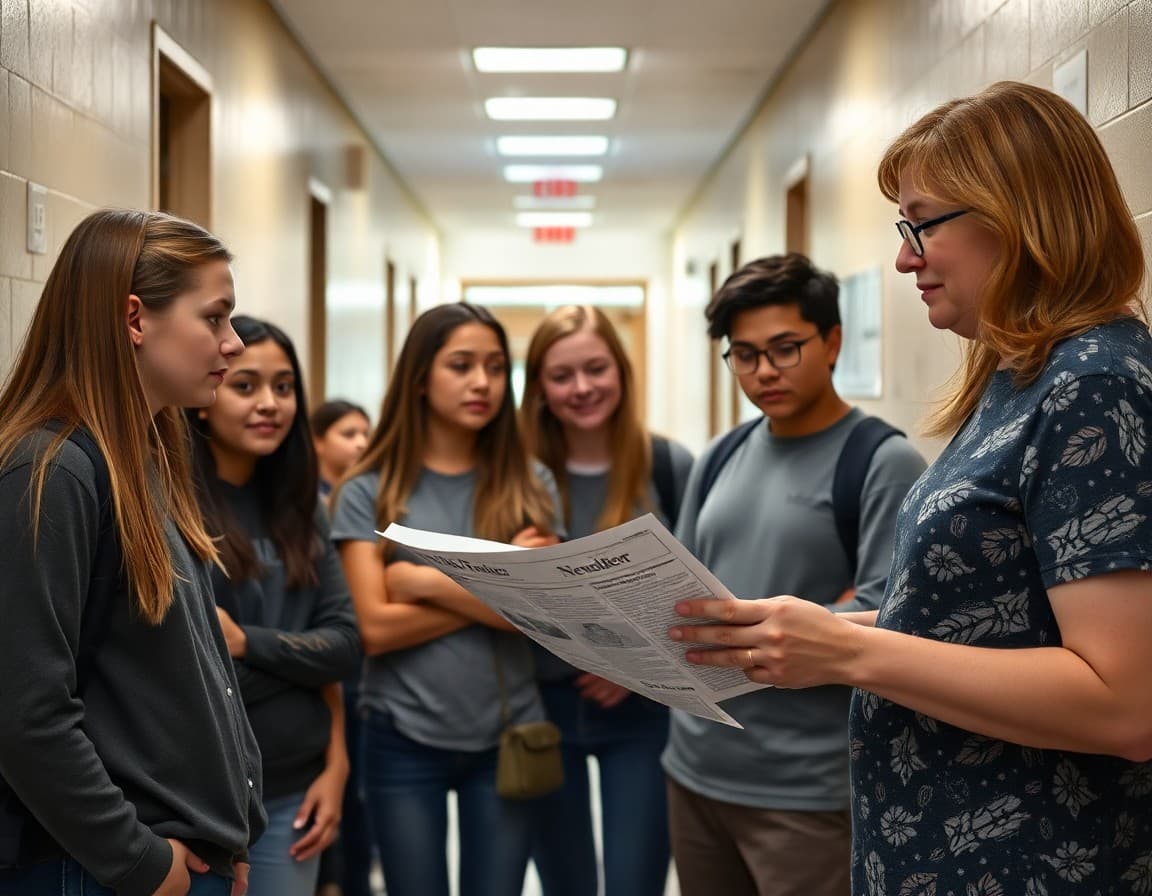
Florida high school teachers juggle a lot. Between state assessments, dual enrollment coordination, and college application season, parent communication can slip to the bottom of the list. A well-structured newsletter changes that. It keeps families informed without requiring a phone call for every question, and it documents what students are working on throughout the year.
What Florida Law Expects from School Communication
Florida's Parental Rights in Education Act (HB 1557 and subsequent updates) puts parent notification front and center. While there is no law that says "send a monthly newsletter," the spirit of Florida's parental rights framework expects schools to proactively share information about curriculum, instructional materials, and school activities. Districts like Miami-Dade, Broward, and Orange County have their own communication guidelines that typically recommend monthly parent contact at the secondary level. Check your district's family engagement policy to understand the minimum expected frequency.
The Core Structure for a Florida High School Newsletter
A newsletter that works for Florida high school families hits four areas: academic updates, upcoming deadlines, extracurricular news, and any state-specific milestones. Here is a template structure that fits in two pages or one email screen:
- Academic snapshot: current unit, upcoming tests, grading period end dates
- State deadlines: FCAT/FSA prep dates, AP exam registration, dual enrollment add/drop windows
- School life: club news, athletic schedules, senior milestone calendar
- Resources: Bright Futures scholarship checkpoints, FAFSA deadlines, college visit days
Dual Enrollment and Florida College System Updates
Dual enrollment is one of the most consequential opportunities for Florida high school students, and many families miss deadlines because they did not know they existed. Include a standing "Dual Enrollment Corner" in your newsletter starting in August. Key dates to feature: the application window at your partner Florida College System institution (typically September to November for spring semester), the grade requirement reminders (2.0 GPA minimum for most programs), and the tuition-free reminder that often surprises new families.
Bright Futures and College Readiness Coverage
Florida's Bright Futures scholarship program is one of the most valuable state-level college funding sources in the country, and most families do not understand the timeline until senior year. A monthly newsletter is the right place to drip these reminders throughout grades 10, 11, and 12. By October of junior year, students need their community service hours logged. By spring of junior year, SAT/ACT scores need to meet Florida Academic Scholars or Medallion Scholars thresholds. Your newsletter can carry a one-line status reminder each month without becoming a full college counseling document.
Template Excerpt: September Newsletter Opening
Here is a sample opening section for a Florida high school teacher newsletter in September:
"Welcome to the 2026-2027 school year. This month we start our first unit in AP Language and Composition with a focus on argument analysis. EOC practice windows open in October, and I will share specific prep resources in next month's newsletter. Dual enrollment applications for spring semester at Valencia College open October 1 -- if your student is interested, reach out before October 15 so we can confirm eligibility."
Language Access for Florida's Multilingual Families
Florida's high schools serve a large number of Spanish-speaking, Haitian Creole-speaking, and Portuguese-speaking families. Under Florida's ESOL framework, schools are expected to communicate with families in a language they understand. For newsletters, this means having a Spanish version available at minimum, and Haitian Creole in South Florida schools. You do not need to translate every paragraph. Translating the subject line, key deadlines, and any action items parents need to take covers the most critical communication needs.
Senior Year Communication: A Separate Newsletter Track
Seniors and their families have different information needs than freshmen. Consider running a parallel senior-specific update that goes out monthly from September through May. This track covers FAFSA completion deadlines (Florida's priority deadline has historically been in January for state aid programs), college application status reminders, senior trip logistics, graduation rehearsal dates, and cap-and-gown ordering windows. Keeping this content separate prevents the newsletter for younger students from becoming overwhelming.
Keeping Your Newsletter Consistent All Year
The most common reason high school newsletters fail is inconsistency. Teachers start strong in September and trail off by December. One practical fix: write your newsletter on a fixed day each month, like the first Friday. Block that hour on your calendar and treat it as a grading duty, not optional. If you use a tool like Daystage, you can save a template so each month you are filling in updates rather than rebuilding from scratch. That reduces the time from one hour to about fifteen minutes.
Get one newsletter idea every week.
Free. For teachers. No spam.
Frequently asked questions
Does Florida require high schools to send newsletters to parents?
Florida does not mandate a specific newsletter format, but state law under the Parental Rights in Education Act requires schools to keep parents informed about curriculum, student progress, and school activities. Regular newsletters are one of the most practical ways to meet that expectation consistently. Districts may have their own communication frequency policies layered on top.
What topics should a Florida high school newsletter cover each month?
Monthly newsletters work best when they cover upcoming assessments (EOC exams, AP test dates), dual enrollment deadlines at Florida College System institutions, athletic schedules, clubs and extracurriculars, and any state reporting milestones. A brief section on college readiness resources, like the Florida Bright Futures scholarship timeline, is especially useful for families of juniors and seniors.
How often should Florida high school teachers send newsletters?
Most Florida high school teachers settle on monthly newsletters, with shorter email updates sent the week before major events or deadlines. Department chairs sometimes coordinate a shared monthly newsletter to reduce the burden on individual teachers. Whatever cadence you choose, consistency matters more than frequency.
What languages should a Florida high school newsletter be available in?
Florida's ESOL requirements mean many high schools serve families who speak Spanish, Haitian Creole, Portuguese, or other languages. If your school has a significant number of English-learner families, translating key newsletter sections is both a legal best practice and a trust-building move. Florida's Title III guidelines support providing translated communications upon request.
What tool makes it easier to send high school newsletters in Florida?
Daystage is built for school communicators who need to publish newsletters quickly without spending an hour on formatting. You can draft, translate, and send to your full parent list in one place, which is especially useful during busy grading periods or end-of-semester crunch weeks.

Adi Ackerman
Author
Adi Ackerman is a former classroom teacher and curriculum writer with 8 years in K-8 schools. She writes about school communication, parent engagement, and what actually works in real classrooms.
More for High School
Ready to send your first newsletter?
3 newsletters free. No credit card. First one ready in under 5 minutes.
Get started free