

Environmental Science Beginning of Year Newsletter: High School Guide
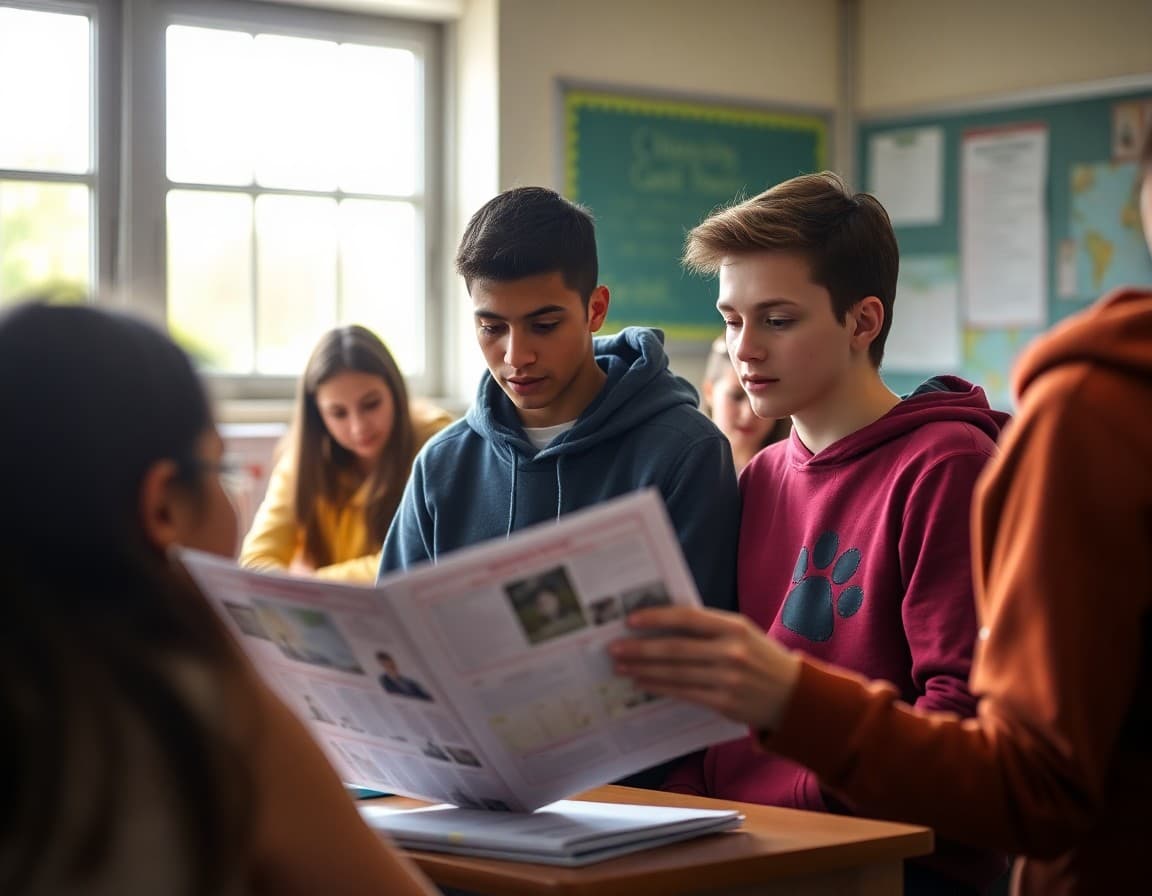
The beginning-of-year newsletter is your first communication with families and it sets the tone for everything that follows. For a high school environmental science course, this newsletter needs to do more than introduce you. It needs to give parents a clear picture of what the year looks like, what you expect from students, and how families can stay informed and involved.
Why the First Newsletter Matters More Than You Think
High school parents are bombarded with back-to-school communications in the first week of school. A newsletter that is clear, specific, and useful cuts through the noise. One that reads like a generic form letter does not. Parents who see a thoughtful, well-organized first communication are more likely to read your newsletters all year. Those who get a generic paragraph are less likely to open the next one.
What to Cover in the Course Overview Section
Start with a brief description of the course that a parent who has never studied environmental science can understand. "This course studies Earth's natural systems and how human activity affects them. Students will examine ecosystems, climate, biodiversity, water and energy resources, and environmental policy through labs, field studies, and data analysis projects." That is enough context. You do not need to reproduce the full course description from the school catalog.
Include the major units in order. Listing "Ecosystems, Human Impact, Climate Systems, Resource Management, and Environmental Policy" gives parents a roadmap for the year. They will remember it when their student comes home talking about a specific topic.
Grading and Workload Expectations
Be specific here. Tell parents how the course is graded: percentages for tests, labs, projects, and participation. A straightforward breakdown like "Tests 40%, Labs and Projects 45%, Participation 15%" is more useful than "students will be assessed in multiple ways." Also give a realistic estimate of homework: "Most students complete 20 to 30 minutes of work outside class per week, with project-heavy periods requiring more."
If the course is AP-aligned or honors-level, say so. Parents calibrate their support and expectations around course rigor. Surprising them with a demanding workload in October is worse than setting honest expectations in September.
A Template Introduction Section
Here is an opening you can adapt for your own course:
"Welcome to Environmental Science. I am [Name], and I have been teaching this course for [X] years. My background is in [brief description]. This year, we will cover six major units starting with Earth's ecosystems and ending with a student-driven environmental action project. My goal is for every student to finish the year with a stronger understanding of how natural systems work and the confidence to think critically about environmental issues they will encounter throughout their lives."
That opening is personal, specific, and forward-looking without being generic.
Materials and Logistics
List exactly what students need to have by the end of the first week. A composition notebook, colored pencils for diagram work, a three-ring binder, and access to the school's learning management system are typical requirements for this course. Parents who get a clear supply list in the first newsletter do not need a second reminder two weeks later when their student is missing materials.
Include your email address, office hours or availability for meetings, and the platform where you post assignments and grades. If your school uses a specific app for communication, include the name and how to access it.
Field Work and Lab Activities
If your course includes outdoor field studies, creek sampling, or off-campus activities, mention them in the opening newsletter even if the details are not set yet. "This course includes several outdoor observation activities and at least one field study" lets parents flag any concerns early rather than two days before the activity. It also sets an exciting tone for the year.
How Families Can Support Learning at Home
High school parents sometimes feel their role in academic support has ended. A brief section on home support shows them that involvement still matters and gives them something concrete to do. For environmental science, a suggestion as simple as "Ask your student what they are observing in nature, watching in the news about environmental topics, or noticing about your local environment" is useful without asking parents to become science tutors.
Closing on a Positive Note
End the newsletter with one sentence that signals you are glad to have their student in class and that you are approachable. A line like "I am looking forward to a strong year and I am always happy to hear from you" is enough. Brief warmth goes a long way in building the parent-teacher relationship that makes everything else easier.
Get one newsletter idea every week.
Free. For teachers. No spam.
Frequently asked questions
What should I cover in a beginning-of-year environmental science newsletter for high school parents?
Cover your course overview, the major units students will study, how grading works, what materials students need, your communication channels, and one concrete way families can support learning at home. High school parents also benefit from knowing whether the course is honors-level, AP-aligned, or a standard elective, since that affects how they think about workload and college preparation.
How do I set realistic expectations in a beginning-of-year newsletter without overwhelming families?
Be direct about the workload: how many projects students will complete, roughly how often there will be tests, and how much homework to expect per week. A line like 'Students should plan for about 30 minutes of homework per week outside of project work' sets a clear, honest expectation. Parents who know what is coming are better prepared to support their student.
Should I introduce myself in the beginning-of-year newsletter?
Yes, briefly. Two or three sentences about your background and why you teach environmental science helps parents connect with you as a person. Mentioning a specific interest, like fieldwork experience, a research background, or a connection to local ecosystems, makes the introduction memorable and signals genuine expertise.
When should the first newsletter go out?
Send it within the first three days of school, ideally on the first or second day. Parents are paying the most attention to school communications in the first week of the year. A newsletter that arrives on day one sets a professional tone and makes it easier for families to ask informed questions at back-to-school night.
Can Daystage help me create a beginning-of-year newsletter that looks polished?
Daystage gives you a clean template structure so your beginning-of-year newsletter looks professional without spending time on formatting. You can add sections for course overview, grading, supplies, and contact info, then save the template to reuse or adapt it for future years. It takes significantly less time than formatting a Word document or composing a long email from scratch.

Adi Ackerman
Author
Adi Ackerman is a former classroom teacher and curriculum writer with 8 years in K-8 schools. She writes about school communication, parent engagement, and what actually works in real classrooms.
More for High School
Ready to send your first newsletter?
3 newsletters free. No credit card. First one ready in under 5 minutes.
Get started free