

11th Grade Special Education Newsletter: Communicating IEP Progress and Transition Planning to Families
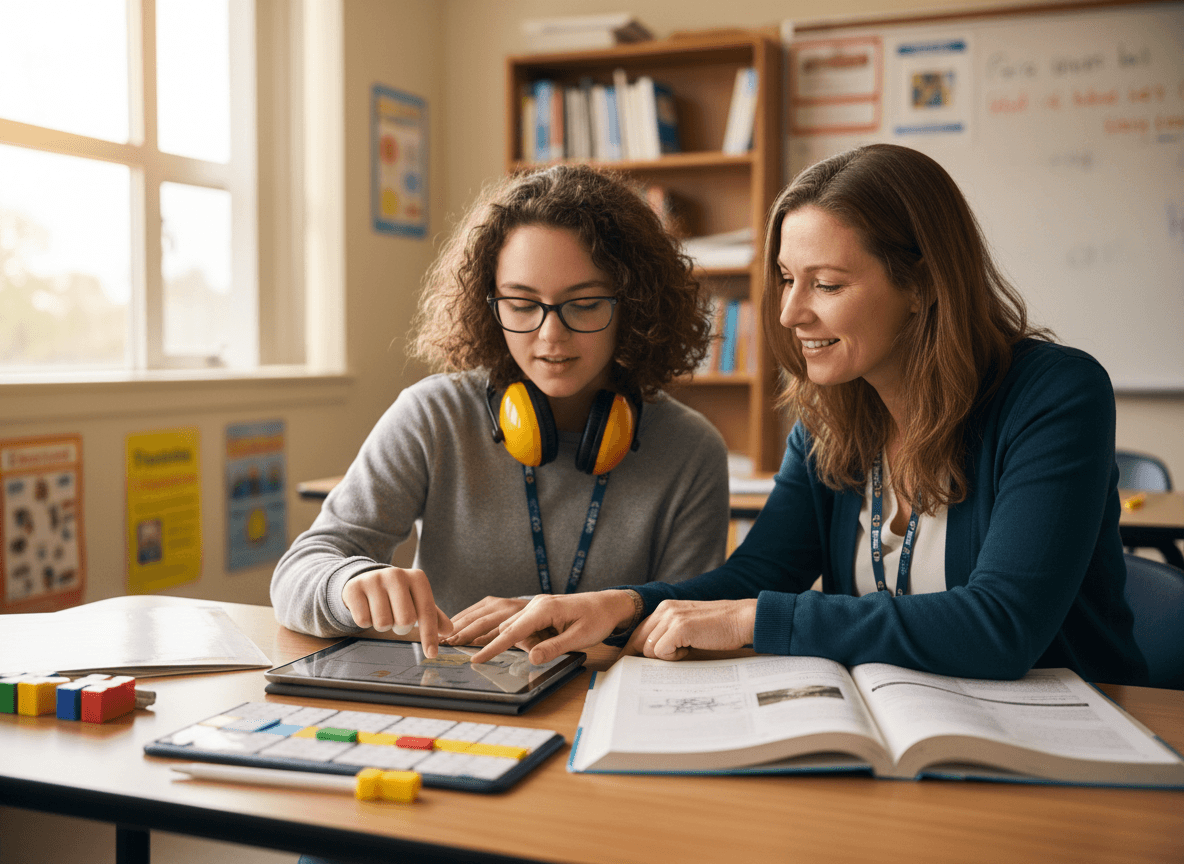
Eleventh grade is the year when transition planning for students with disabilities moves from background planning to active preparation. Post-secondary life is less than two years away. The decisions made in 11th grade about course pathways, vocational goals, and self-advocacy skills will shape what options are available to students when they leave high school.
For special education teachers and case managers, communicating with families during this year requires more than general classroom updates. Families of students with disabilities need specific information about IEP progress, transition planning milestones, and the ways post-secondary support systems differ from what their students have received in K-12. A well-crafted newsletter is one of the most effective tools for doing that communication well.
What makes 11th grade different in special education
In earlier grades, IEP communication tends to focus heavily on academic skill development and behavioral support. By 11th grade, the center of gravity shifts. Transition goals become as important as academic goals. The question is no longer only "how is this student progressing in reading and math" but "what does this student need to build a self-determined adult life, and are we building it?"
Families do not always understand this shift. Many parents of juniors with disabilities are still in the mindset of monitoring academic grades and accommodation compliance, and have not yet engaged deeply with transition planning. The newsletter is an opportunity to help families make that mental shift alongside their student.
Framing transition planning in plain language
Transition planning is defined in IDEA with specific legal language that most families do not speak. Your newsletter should translate that language into terms parents can act on. Explain what a Transition Plan is, why it exists, and what it is trying to accomplish for their specific student.
Concrete examples help. "We are working on employment skills this semester, which includes practicing how to follow workplace schedules, ask for help, and describe strengths and challenges in a job interview." That sentence communicates more usefully than "transition goals address competitive integrated employment outcomes." Both are accurate. Only one helps a parent understand what to reinforce at home.
IEP progress updates and what to communicate
Progress toward IEP goals should be communicated formally through progress reports, but those reports are often clinical and brief. The newsletter can provide context that makes progress reports more meaningful.
When a student is making strong progress on a goal, describe what that looks like in practice. When a goal is not progressing as expected, acknowledge it and briefly explain what the team is doing to adjust. Families who learn about a plateau only at the annual review meeting feel blindsided. Families who have been receiving honest, ongoing updates feel like partners.
Disability disclosure and self-advocacy skills
One of the most important things a junior with a disability can learn is how to talk about their own needs. This is harder than it sounds. Many students have been in systems that managed their supports without requiring them to understand or articulate those supports themselves.
The newsletter can open a family conversation about self-advocacy by naming what you are working on in school. If you are practicing disclosure scenarios in class, letting parents know enables them to reinforce that practice. If a student has never been asked to explain their own disability in their own words, that conversation needs to happen before senior year, not after graduation.
What changes after high school: services, rights, and supports
The shift from entitlement to eligibility is one of the most important and least understood aspects of leaving the K-12 system. In high school, students with disabilities are entitled to a Free Appropriate Public Education under IDEA. In college or adult life, the framework shifts to the Americans with Disabilities Act and Section 504, which require the individual to disclose and request accommodations, and do not guarantee the same level of support.
Families need to understand this shift before senior year so they can help their student prepare. A newsletter that walks through this difference in plain terms, even briefly, does real service. Many parents have never heard the entitlement-versus-eligibility distinction explained, and are shocked when they discover it for the first time in their student's freshman year of college.
Vocational rehabilitation and community-based resources
Vocational rehabilitation services are available to many students with disabilities starting at age 14 or 16 depending on the state, but many families do not know they exist or how to access them. By 11th grade, starting the VR referral process makes sense for students who have employment or independent living as transition goals.
Include a brief explanation of what vocational rehabilitation offers: job skills training, assistive technology assessment, supported employment placement, and sometimes funding for post-secondary education or vocational training. Provide the contact information for your state's VR office or the transition coordinator who can facilitate a referral.
Supporting families through the transition planning process
Transition planning can feel overwhelming to families, especially those who have spent years managing IEP paperwork and feel uncertain about what comes next. Acknowledge that uncertainty directly in your newsletter. You do not need to project false confidence about every outcome. What you can do is signal clearly that you are the expert in your building on this process, that you are tracking the timeline, and that families should come to you with questions rather than trying to figure it out alone.
Families who feel like they have a knowledgeable advocate in their corner engage more effectively in the IEP process, advocate more confidently for their students, and are more likely to follow through on referrals and planning steps. The newsletter is one of the simplest tools for building that relationship consistently over time.
Get one newsletter idea every week.
Free. For teachers. No spam.
Frequently asked questions
What legal requirements apply to transition planning communication in 11th grade?
Under IDEA, transition planning must begin no later than the IEP in effect when a student turns 16, though many states require it to begin at 14 or 15. By 11th grade, an individualized Transition Plan should already be in place. Parents must be invited to and meaningfully participate in any meeting where transition services are discussed. While newsletters do not replace legal notice requirements, they serve as a valuable supplement that keeps families engaged and informed between formal IEP meetings.
How do you communicate about transition goals without overwhelming families?
Focus on two or three concrete goals at a time and connect them to things the family already understands about their student. Instead of reciting IEP language, translate it: rather than 'the student will demonstrate self-advocacy skills in two out of three observed settings,' say 'we are working on your student being able to tell a teacher or employer what kind of support they need.' Families respond to specific, human language much more than to clinical documentation.
Should a special education newsletter be separate from the general class newsletter?
It depends on your caseload and school structure. If you are a case manager for students across multiple classes, a dedicated caseload newsletter makes sense. If you also teach a co-taught or self-contained class, you may combine general class updates with IEP-specific communication, being careful to protect student privacy by keeping IEP-specific content in private channels rather than a mass newsletter. Individual student updates should always be sent privately, not to the group.
What post-secondary planning topics should appear in an 11th grade special education newsletter?
Key topics include disability disclosure options in post-secondary settings (what changes after high school), how to access accommodations in college or vocational programs, vocational rehabilitation services and how to connect with them, supported employment programs if relevant, and the difference between a 504 plan and an IEP in terms of what carries forward after graduation. These topics require more than one newsletter to address fully, so spread them across the year.
What newsletter tool works well for special education parent communication?
Daystage works well for special education teachers who want to maintain a consistent, professional communication cadence with families. You can create a newsletter template that goes out monthly with general program updates and transition planning context, while keeping any student-specific IEP content in separate private communications. The consistent presence in parent inboxes builds the relationship that makes the harder conversations easier when they need to happen.

Adi Ackerman
Author
Adi Ackerman is a former classroom teacher and curriculum writer with 8 years in K-8 schools. She writes about school communication, parent engagement, and what actually works in real classrooms.
More for High School
11th Grade Classroom Newsletter Ideas: What to Send Junior Parents All Year
High School · 7 min read
11th Grade Transition Newsletter: Preparing Juniors for Senior Year
High School · 6 min read
12th Grade Parent Communication Guide: What Senior Year Families Need to Hear All Year
High School · 8 min read
Ready to send your first newsletter?
3 newsletters free. No credit card. First one ready in under 5 minutes.
Get started free