

August Newsletter Ideas for 12th Grade Teachers: What to Send This Month
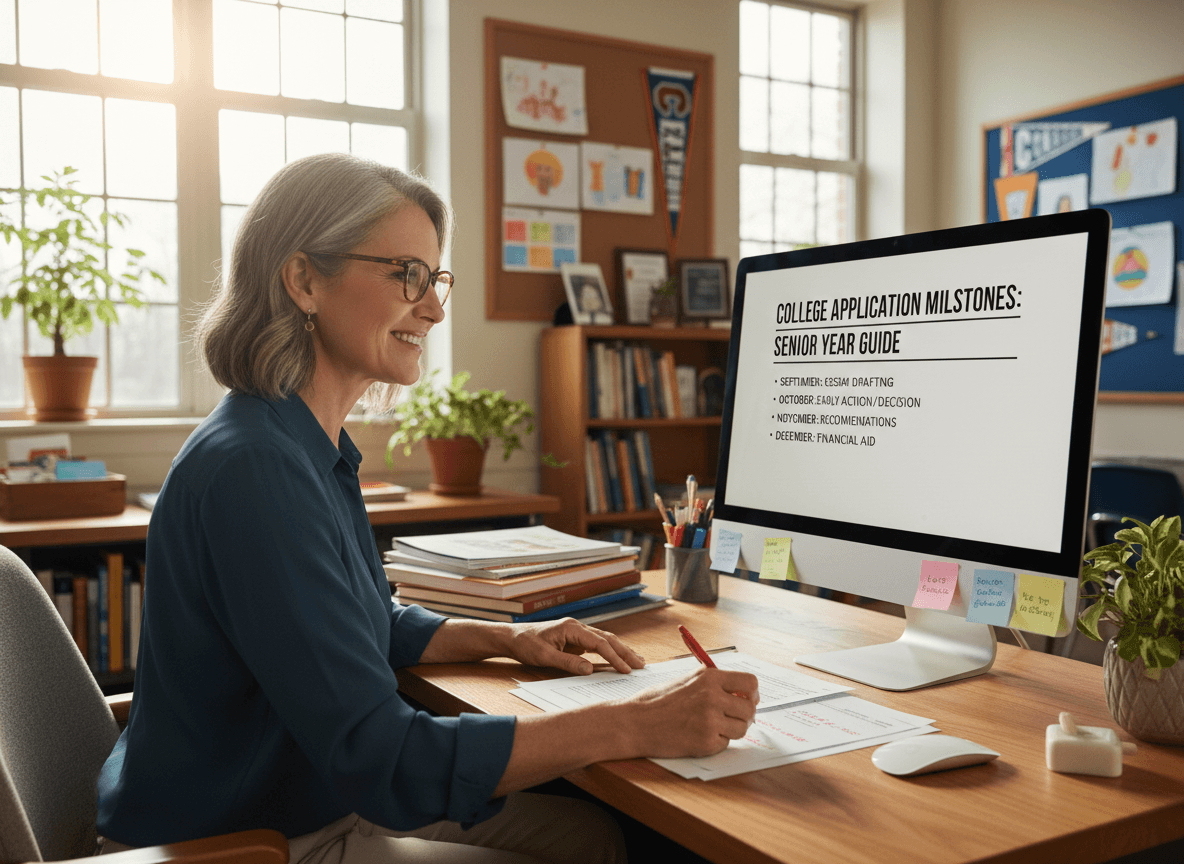
Senior year starts with more emotion than any other grade. Students feel like everything is winding down. Parents feel like everything is accelerating. Your August newsletter is the first communication of the last chapter, and the families reading it are managing college applications, scholarship deadlines, senior portraits, and whatever else your course requires. Respect their attention.
Set the tone for a meaningful final year
Do not open with a list of requirements. Open with what this year can be. A brief statement about what your course offers seniors, what skills they will leave with, or what makes your class worth their time in their final semester creates buy-in. It does not need to be inspirational. It needs to be honest and specific.
Address college applications briefly and practically
College application deadlines start hitting in November. Common App opens in August. Parents of seniors know this, and they are watching every teacher's communication to see if it will conflict with application season. A sentence acknowledging that you understand the application timeline and will work with students on scheduling conflicts tells parents you are paying attention to the whole picture.
Clarify graduation requirements for your course
If your class is a graduation requirement, state it plainly. Include the minimum passing grade, the number of credits, and any specific requirements like a capstone project or senior presentation. Many seniors (and their parents) do not have this information memorized. A clear statement in August prevents last-minute panic in April or May when it is too late to course-correct.
Name your letter of recommendation policy if applicable
Seniors applying to college will be approaching teachers for letters of recommendation starting in August. If you write them, say so clearly and tell families what you need: a resume, a list of schools, a meeting, two to three weeks of lead time. If you do not write them, say that too. Clear is kind. A senior who asks you in October after not reading your newsletter is not a better situation for anyone.
Preview the major assessments for the semester
Senior parents are scheduling college visits, auditions, and scholarship application sessions. If you have a major project due in October or a presentation week in November, put it in the August newsletter. A parent who knows your major deadlines before they book a college visit is a parent who does not email you asking for an extension the week before.
Mention your late work and absence policy
Senior year attendance issues are real. College visits, scholarship interviews, and yes, the classic senioritis absences all happen more in 12th grade than any other. State your policy clearly. What happens to grades when students miss class? What is the process for excused absences for college visits? The clearer you are in August, the less you have to negotiate in February.
Close with what comes after your class
End your August newsletter by naming the skill or knowledge students will carry past your class. Not just "critical thinking." Something concrete: "Students who finish this course know how to structure a complex argument in writing, which is one of the most transferable skills they will use in college." That closing connects your course to what senior families actually care about, which is what happens next.
Get one newsletter idea every week.
Free. For teachers. No spam.
Frequently asked questions
Why does the August 12th grade newsletter need a different tone than earlier grades?
Senior year is a finale, not a continuation. Parents and students know this is the last lap. Your newsletter should reflect that without being sentimental or dramatic. The tone that works best is warm and practical: this year matters, here is how to make it count, here is what I need from you and your student.
Should I address college applications directly in the August senior newsletter?
Yes, but not in depth. A brief acknowledgment that you understand college applications are running simultaneously with your course is enough. Let parents know you are aware of that pressure and that you will work with students on deadline conflicts when they arise. The details of application deadlines belong in the counselor's communication, not yours.
What graduation requirements should I mention in a 12th grade August newsletter?
If your course is required for graduation, say so. If students must earn a minimum grade to satisfy the requirement, state that clearly. Many seniors do not realize they can fail a required course and delay graduation. A single clear sentence in August prevents that confusion in May.
How do I handle senioritis in my August newsletter messaging?
Address it directly and briefly. Something like: 'Senior year can feel like a finish line, but colleges do look at final transcripts. We will work to keep this year meaningful and manageable.' That is enough. You do not need to lecture families about motivation. The warning is noted and you move on.
What is the best newsletter tool for high school teachers?
Daystage helps high school teachers send professional newsletters to families without spending hours on layout. For senior year teachers who need to communicate clearly about graduation requirements and college deadlines, Daystage makes it easy to send timely, well-organized updates all year long.

Adi Ackerman
Author
Adi Ackerman is a former classroom teacher and curriculum writer with 8 years in K-8 schools. She writes about school communication, parent engagement, and what actually works in real classrooms.
More for High School
Eleventh Grade End of Year Newsletter: Preparing Families for the Final High School Push
High School · 7 min read
Eleventh Grade College Prep Newsletter: Communicating the Junior Year College Search to Families
High School · 7 min read
College Prep Communication: What High School Counselors Should Send Families
High School · 7 min read
Ready to send your first newsletter?
3 newsletters free. No credit card. First one ready in under 5 minutes.
Get started free