
August Newsletter Ideas for 10th Grade Teachers: What to Send This Month

Sophomores are in an interesting place: they survived 9th grade, they know where the bathrooms are, and they have just enough confidence to underestimate what 10th grade requires. Your August newsletter is a chance to set the tone before that confidence becomes complacency. Write it for parents who are past the transition anxiety and focused on momentum.
Skip the orientation content, get into the year
Parents of 10th graders do not need an explanation of how high school works. They know how to check the portal, they know what an IEP is, they know where the nurse's office is. Your August newsletter can open directly with what this school year will look like in your class. What are the major units? What skills will students build? What does success look like by June? That is what sophomore families want to know.
Mention the PSAT without overpromising
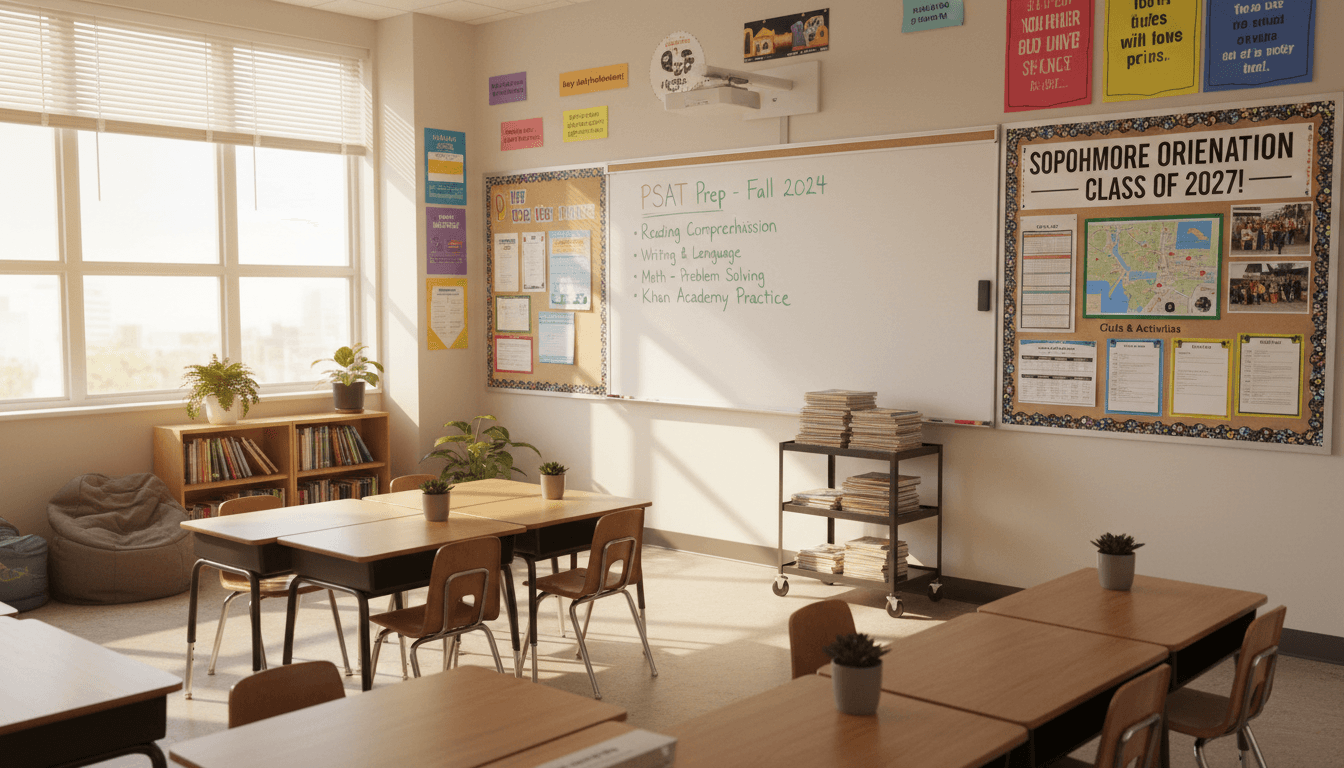
The PSAT is typically scheduled in October for 10th and 11th graders. Even if you are not a counselor or test prep specialist, a brief mention in your August newsletter signals that you are aware of what else is on your students' plates. If your subject connects to verbal reasoning, math, or close reading, name it. Parents appreciate when teachers see the whole student, not just the class.
Lay out your course expectations concisely
Sophomores often know just enough about how to do the minimum. August is the right moment to communicate what your expectations actually are, in writing, so parents have it on record. Cover participation, homework frequency, major projects or assessments, and how you handle late work. Three to four sentences. Not a policy document.
Flag any major dates in the first semester
If you have a major project due in October, a presentation week in November, or a field trip in September, put it in the August newsletter. Parents of high schoolers have to manage sports schedules, SAT study plans for older siblings, and work schedules. The more lead time you give them, the fewer last-minute absence requests you get.
Address the independence shift honestly
By 10th grade, most teachers expect students to manage their own deadlines and communication. Parents sometimes do not know this shift has happened. A brief note in your newsletter telling parents that you will communicate with students directly and expect them to advocate for themselves helps set realistic expectations for how involved parents should be. This prevents both under-involvement and over-involvement.
Recommend one or two concrete ways to support learning at home
Do not tell parents to "stay involved." Tell them exactly what that means for a 10th grader in your class. Ask about the current reading assignment at dinner. Set a 20-minute study block without a phone on the desk. Check the grade portal once a week, not every day. Specific suggestions are more useful than general encouragement.
End with your preferred communication channel
High school teachers get a lot of parent emails that could have been answered by checking the portal. Tell parents where to find what they need before emailing you. Link to the class portal, the assignment calendar, or your contact form. Parents who know where to look ask better questions, and you spend less time answering the same thing twice.
Get one newsletter idea every week.
Free. For teachers. No spam.
Frequently asked questions
What makes an August 10th grade newsletter different from a 9th grade one?
Sophomores already know the school. Parents of 10th graders are less anxious about logistics and more focused on academics and planning ahead. Your August newsletter can skip the school-basics orientation and go straight to what this year will demand academically, including any PSAT-related communication that is relevant to your subject.
Should I mention the PSAT in my August 10th grade newsletter?
Yes, briefly. Even if you are not a test prep teacher, parents appreciate knowing the PSAT is on the calendar. A single sentence acknowledging when the PSAT typically falls and how your course connects to reading, writing, or math skills gives parents context. Save the detailed PSAT communication for September or October when the test date is closer.
How often should a 10th grade teacher send newsletters?
Monthly is a solid baseline for high school. Sophomore parents are less involved than elementary parents but still want to know what is happening academically. A short, consistent monthly newsletter keeps them informed without overwhelming them. Important deadlines or events can go in a brief mid-month update if needed.
What tone works best for parents of 10th graders?
Direct and practical. These parents have been through a year of high school with their kid. They understand how the system works and do not need the hand-holding that incoming freshman parents sometimes appreciate. Treat them as partners. Tell them what is coming, what their student needs to do, and how to support it.
What is the best newsletter tool for high school teachers?
Daystage is designed for school communication and works well for high school teachers who want to send professional newsletters without spending hours on design. You can build a clean, readable newsletter in under 15 minutes, schedule it in advance, and reach all your sophomore families at once. It is a practical choice for teachers managing multiple classes.

Adi Ackerman
Author
Adi Ackerman is a former classroom teacher and curriculum writer with 8 years in K-8 schools. She writes about school communication, parent engagement, and what actually works in real classrooms.
More for High School
Ready to send your first newsletter?
3 newsletters free. No credit card. First one ready in under 5 minutes.
Get started free