
April Newsletter Ideas for 10th Grade Teachers: What to Send This Month

Sophomore year is the one families underestimate. Tenth graders are past the freshman adjustment, not yet in the high-stakes junior stretch, and easy to lose in the middle. Your April newsletter is the right moment to remind families that sophomore grades are real, the year is not over, and the decisions coming in the next few weeks have consequences.
Lead with state testing, if it applies
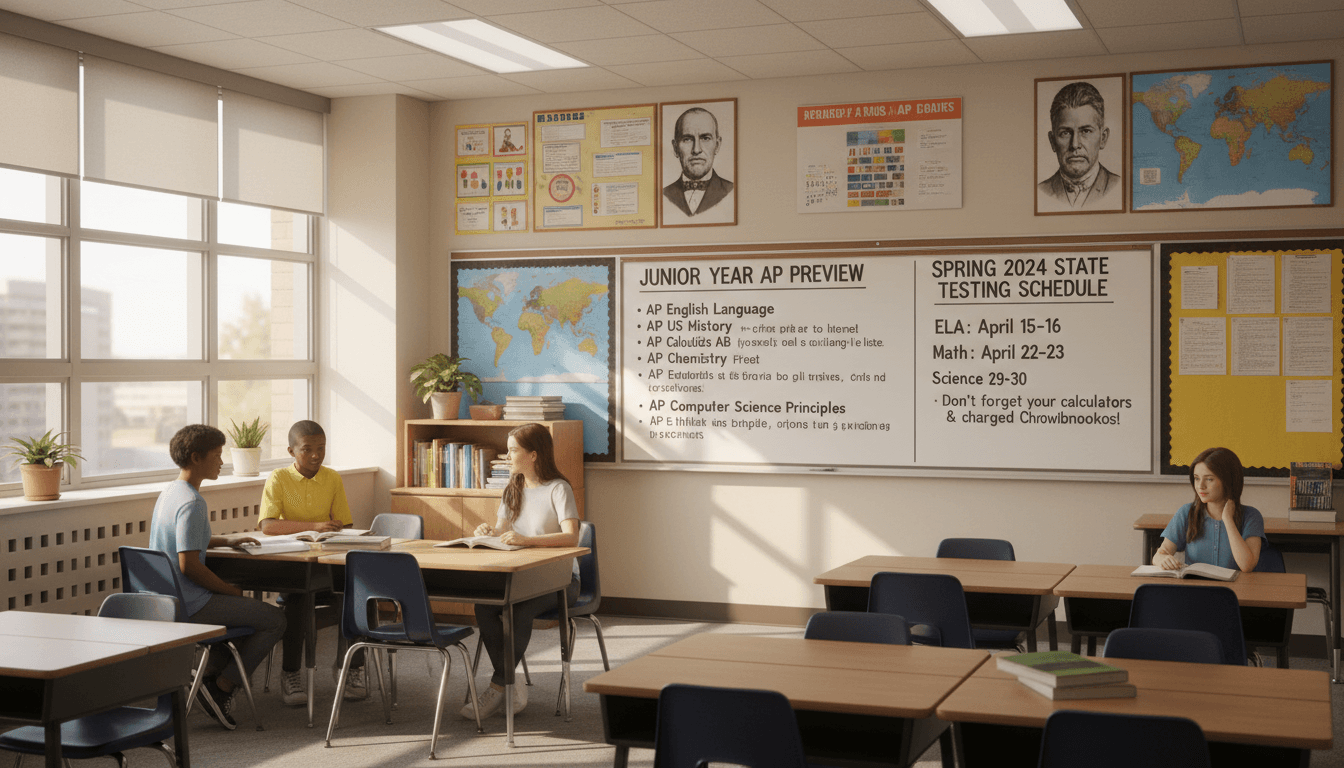
Many states administer standardized assessments in April or May for 10th graders. If your school is in a testing window, parents need the dates, the subject areas, and whether absences affect student standing. Give them enough detail to plan around it. A parent who finds out about a test date two days before is annoyed. A parent who gets two weeks of notice is prepared.
Put junior year course registration on the radar
For most 10th graders, junior year scheduling happens in April. This is one of the most consequential academic decisions a high schooler makes, and many families do not give it enough attention until the window is almost closed. Name the options in your subject area, explain what the prerequisites are, and tell parents when the deadline is. If your school has a counselor appointment process for course changes, include that information too.
Explain why sophomore grades matter more than families think
A lot of parents believe junior year is when grades start counting toward college. That is only partly true. Colleges review the full high school transcript, and sophomore year is the first year of record that admissions readers look at closely. A student who shows consistent growth from 10th to 12th grade tells a strong story. A student who coasts sophomore year and scrambles junior year tells a harder one. Say this plainly in the newsletter.
Give an AP or honors preview for next year
If students are considering AP courses in 11th grade, now is the time for families to understand what that commitment involves. Include a short description of what AP work actually looks like in your department: the workload, the exam in May, the potential college credit benefit. Families who have realistic expectations before a student enrolls are better partners when the course gets demanding in October.
Share the final exam timeline
Even if final exam dates are not yet confirmed, give families the expected window and commit to a follow-up newsletter when the schedule is set. Families plan summer around the end of school, and the earlier they have dates, the fewer conflicts arise. Include any major projects or assessments due before finals that will significantly affect term grades.
Address the spring focus challenge directly
Tenth grade spring is a strange moment. Freshmen have adapted, seniors are leaving, juniors are deep in college prep, and sophomores can feel invisible. Some students coast. Tell parents to watch for signs of disengagement: missed assignments, dropped participation, grades that start drifting down. April and May are short but they carry real weight, and a dip now is hard to recover from before final exams.
Remind families of available support
List tutoring, office hours, and any school-based academic support available through the end of the year. Sophomores often do not seek help as readily as freshmen because they feel they should know how to manage by now. Give parents the information so they can prompt their student if needed. Include days, times, and whether a sign-up is required.
Keep it focused and send it early
Send your April newsletter in the first week of the month. Aim for under 450 words. Use headers for the testing section and the course registration section, since those are the parts families will return to. One well-timed newsletter that covers the right topics prevents three rounds of individual parent emails asking the same questions.
Get one newsletter idea every week.
Free. For teachers. No spam.
Frequently asked questions
What should a 10th grade April newsletter cover?
State testing windows, final exam timelines, junior year course registration status, and any AP or dual-enrollment previews for next year. April is also a natural moment to remind families that sophomore grades feed directly into the GPA colleges will see, which raises the stakes for finishing strong.
How do I communicate about state testing in the April newsletter?
Give parents the testing dates, what subject is being tested, whether attendance is required, and what students should do to prepare. If there are makeup dates, include those too. Parents who understand the logistics ahead of time are far less likely to schedule vacations or appointments during the testing window.
Should I address junior year course registration in April?
Absolutely. Most schools finalize junior year schedules in April or early May, and families often do not realize how significant this window is. Sophomores choosing between standard and honors tracks next year are making decisions that will show up on college transcripts. A brief, direct note about what is available and when the deadline is makes a real difference.
How do I keep sophomores focused in April when spring energy peaks?
Be direct about why it matters. Sophomore grades are the first ones colleges look at closely, and a strong April and May shows academic consistency when it counts. Frame it not as a warning but as an opportunity: students who finish sophomore year well enter junior year with momentum and better course options.
What newsletter tool works best for high school teachers?
Daystage is a good fit for 10th grade teachers who need to communicate several things at once, like testing schedules, course deadlines, and grade reminders, without the newsletter feeling cluttered. The format keeps content organized and readable, and you can send it directly to parent email addresses from the platform. Teachers report that Daystage cuts their newsletter prep time significantly.

Adi Ackerman
Author
Adi Ackerman is a former classroom teacher and curriculum writer with 8 years in K-8 schools. She writes about school communication, parent engagement, and what actually works in real classrooms.
More for High School
Ready to send your first newsletter?
3 newsletters free. No credit card. First one ready in under 5 minutes.
Get started free