
School Year-in-Review Newsletter: How to Summarize the Year Effectively
The end-of-year newsletter is the one send that families are most likely to save. It lands at an emotionally significant moment. the close of a school year, a transition point, a chance to look back at what happened over nine months. Written well, it creates a real sense of closure. Written like a routine weekly update, it disappears into the archive with everything else.
This newsletter deserves more care than the average weekly send. Here is how to approach it.
What the year-in-review newsletter should accomplish
Three goals, roughly in order of importance:
- Create a sense of genuine reflection. Not a list of events that happened, but a real look at what the class or school accomplished and what it meant. Parents and students should feel that someone actually thought about the year, not just compiled a list.
- Celebrate the community. A year-in-review is a moment to acknowledge the people who made the year what it was. students, families, staff, and the parent volunteers who showed up when needed.
- Provide closure and a clear transition. Answer the practical questions: when does the next school year start? What do families need to do over the summer? Where can they find information about next year's class or teacher?
What to include
For a classroom year-in-review newsletter, a structure that works well:
- A brief, genuine opening reflection. Two to three sentences from the teacher about what the year was actually like. Not "It has been a wonderful year and I am so proud of my students." Something specific: what surprised you, what you will remember, what the class made you think about differently.
- Three or four specific highlights. Real moments from the year, not a comprehensive list of every unit and event. The science experiment that went wrong in a good way. The student who finally got the thing they had been struggling with. The field trip that everyone talked about for weeks after. Specific stories, not general summaries.
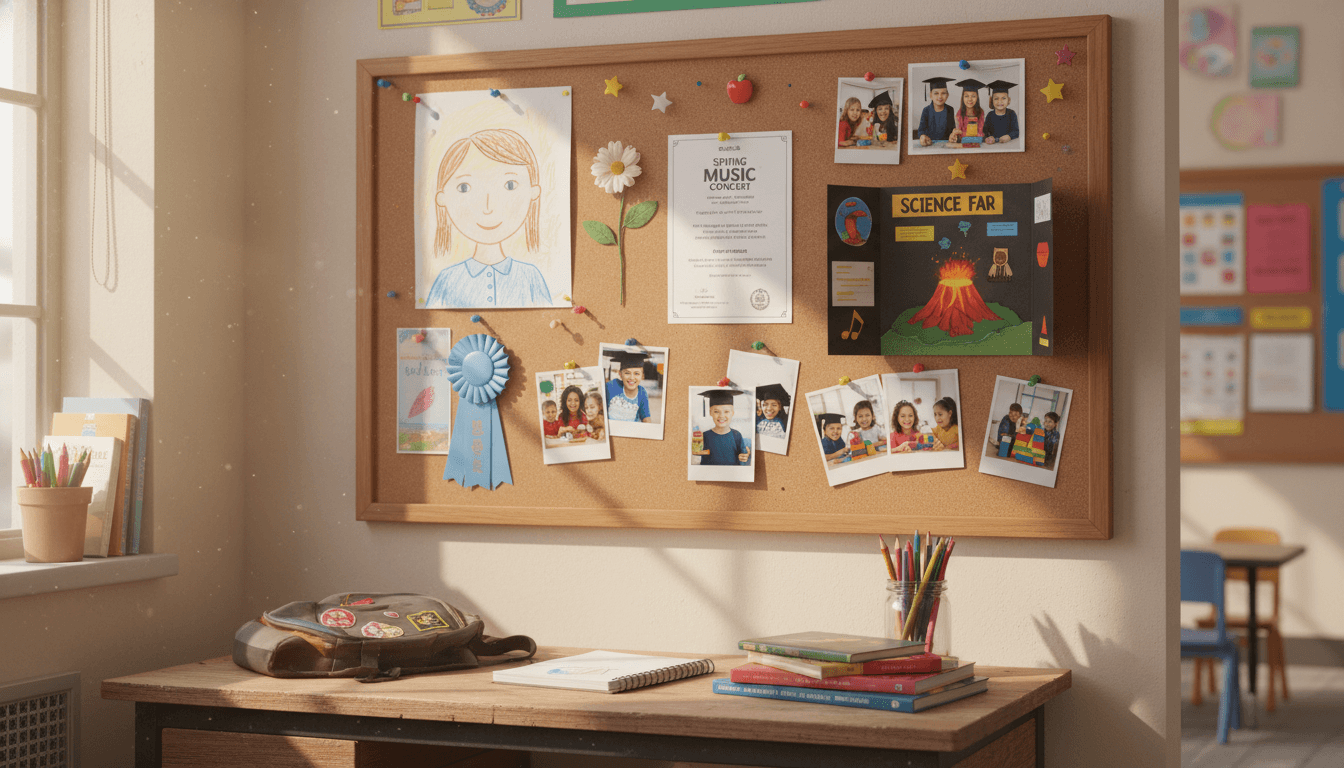
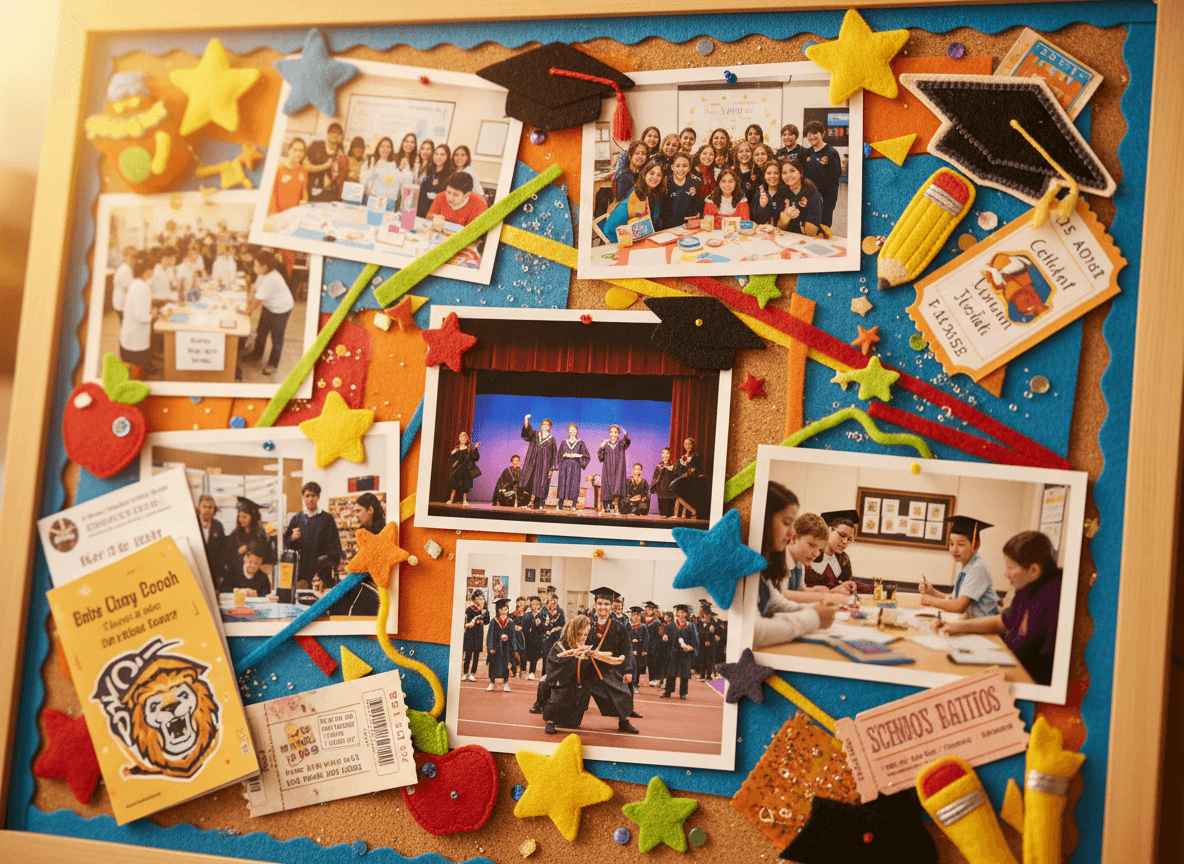
- A photo or two if you have them. An image from a classroom activity. a project display, a group moment during a fun lesson. gives the newsletter a visual anchor that makes it feel more like a memento than an email.
- A note to students (if your newsletter goes to families with children old enough to read it). A short paragraph addressed directly to the students in your class is unusual enough to be memorable and gives families something to share with their kids.
- Practical summer and fall transition information. Supply lists (if known), first day information, how to contact the school over summer. Keep this brief and in a clearly labeled section at the end.
What not to include
A few things that dilute the year-in-review newsletter:
- A month-by-month chronological recap of every unit. This is a curriculum document, not a reflection. Cut it or link to it.
- Generic appreciation language that could apply to any class any year. "It has truly been a privilege to teach your children" is meaningful the first time a parent reads it. After the tenth year-end newsletter that says it, it lands as filler.
- Too many logistical items. If the year-end newsletter is half closing reflection and half logistics about summer programs and fall enrollment, the reflection gets lost. Consider a separate logistics email if needed.
Length and format
Year-in-review newsletters can be slightly longer than the weekly cadence. 500 to 700 words is appropriate. Parents expect this one to have more substance, and the emotional context of year-end means many will read it fully rather than scanning.
A few photos make a meaningful difference. If you have classroom photos with appropriate permissions in place, include two or three. A collage of moments from the year is worth more than a second page of text.
Timing
Send the year-in-review newsletter on the last day of school or the day before. Any earlier and it feels premature. there is still school happening. Any later and families have already mentally moved on.
For school-wide or principal newsletters, the last day of school or the evening of the last day works well. District-level year-in-review communications can go out within the last week of school.
What makes a year-in-review newsletter worth saving
Families save the emails that feel like they were written specifically for them, about their child's actual experience. Generic end-of-year summaries get archived with everything else. The ones that get bookmarked or forwarded are the ones where the teacher clearly remembered specific moments, showed real personality, and wrote something that could not have been sent by any other teacher to any other class.
That is the bar to aim for: specific enough that a parent reading it in five years would recognize exactly which year and which class it is describing.
Get one newsletter idea every week.
Free. For teachers. No spam.
Frequently asked questions
When should schools send a year-in-review newsletter?
Send it in the final 2 weeks of school, after the last major events but before the last day. This timing allows you to include content from the entire year without being rushed. Sending on the last day of school competes with end-of-year logistics. A week before the last day, when families are reflective but still engaged, is the strongest window.
What should a school year-in-review newsletter include?
Include 3 to 5 learning highlights from across the year, 2 to 3 memorable classroom moments or events, a brief look at how students grew, any notable achievements or milestones, and a short forward-looking note about next year. Stay under 600 words. The goal is to give families a moment of reflection, not a comprehensive record.
How should teachers decide what to include in a year-in-review school newsletter?
Go back through your newsletters from the year and identify the moments parents replied to, the events with the highest attendance, and the learning topics students talked about at home most. These are the touchpoints families remember. The year-in-review should feel like a shared memory, not a report.
What are common mistakes schools make with year-in-review newsletters?
Making it too long is the most common mistake. A year-in-review that tries to cover everything becomes a list without emotional resonance. Another mistake is making it generic, as in 'it was a wonderful year full of growth', with no specific details. Specific moments that happened in your classroom are what parents will remember and share.
What is the best tool for teachers who want to create a polished year-in-review newsletter quickly?
Daystage lets you duplicate any previous newsletter as a starting structure and modify it for the year-in-review format. You can use the same branding and section framework parents recognize from the year's newsletters, which gives the year-in-review a consistent look without requiring a new template design.

Adi Ackerman
Author
Adi Ackerman is a former classroom teacher and curriculum writer with 8 years in K-8 schools. She writes about school communication, parent engagement, and what actually works in real classrooms.
More for Guides
Ready to send your first newsletter?
3 newsletters free. No credit card. First one ready in under 5 minutes.
Get started free