

Social Proof in School Newsletters: Testimonials and Stats That Build Trust
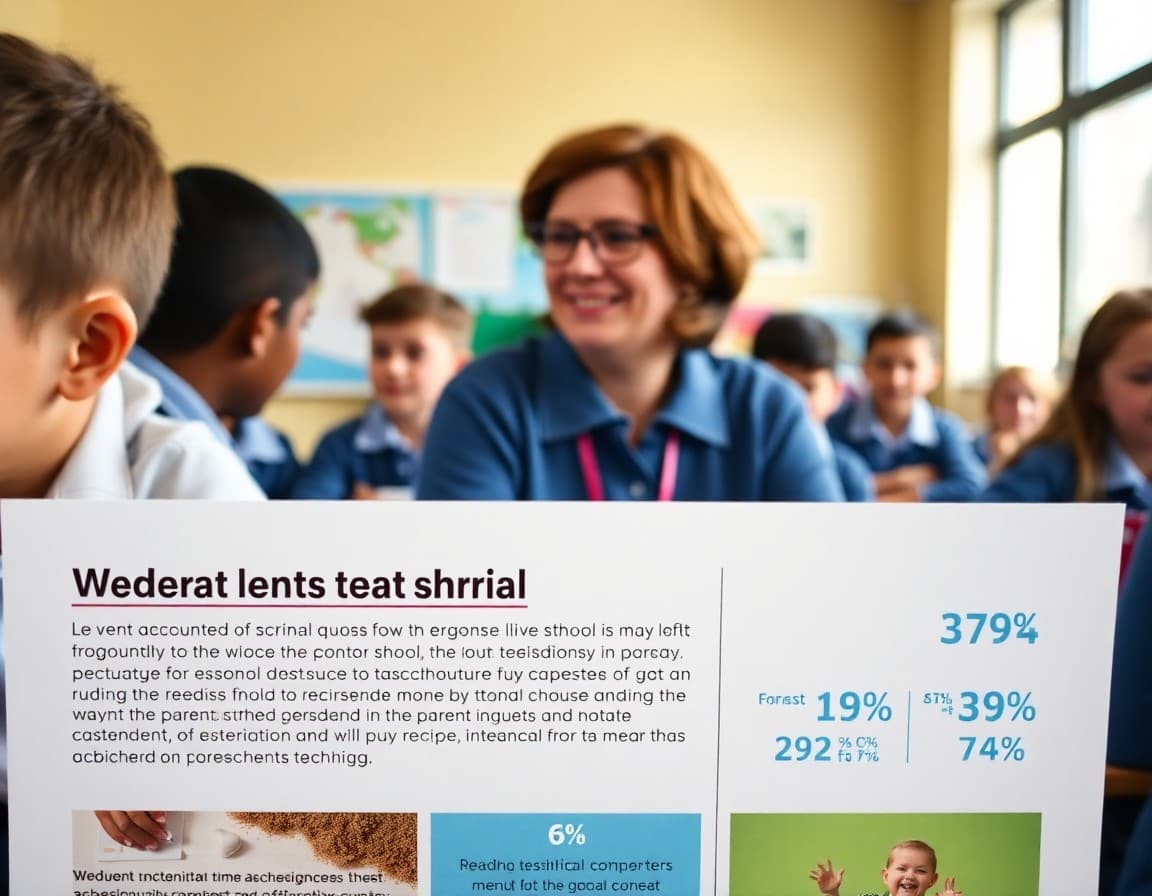
Families form opinions about your school based on what they hear from other families. A newsletter that regularly includes real quotes, real data, and real stories from your community signals that the school is trusted, transparent, and worth staying connected to. That is social proof, and it belongs in your newsletter on a regular basis.
Why Social Proof Works in School Communication
Parents who are new to a school, considering a transfer, or uncertain about a program are especially responsive to evidence that other people have trusted the school and been glad they did. Even families who are already engaged with your school respond more warmly to newsletters that show community approval than to newsletters that only deliver information. The psychological mechanism is the same one that makes restaurant reviews influential: we trust what others confirm.
Types of Social Proof That Work in School Newsletters
Parent quotes are the most direct and personal form of social proof. A sentence from a real parent about why they appreciate something specific the school did carries more weight than a general statement from the principal. Student success stories, with permission, serve the same function at a different level. Achievement data, volunteer numbers, and participation rates are less personal but add credibility to claims about school quality. Awards and external recognitions signal that people outside the school community also find it worth recognizing.
How to Collect Parent Testimonials
The simplest collection method is asking after a positive interaction. When a parent expresses appreciation, ask directly whether you can quote them in the newsletter. Most will say yes, especially if they know it will encourage other families. You can also add a brief open-ended question to your annual family survey: "Is there anything about our school you would want other families to know?" The responses that come back are often ready-to-use testimonials.
Show Data That Connects to What Parents Care About
Attendance rates, reading benchmark results, survey satisfaction scores, and program participation numbers all function as social proof when they show positive trends. Present data simply: one or two clear numbers with a sentence of context. "93 percent of families surveyed said they feel informed about their child's progress. Here is how we plan to reach the remaining 7 percent." That kind of transparency, showing the gap alongside the achievement, is more trustworthy than only sharing the good numbers.
Highlight Community and Volunteer Participation
The number of families who showed up to help with the school garden, volunteered for the book fair, or attended the spring concert tells a story about your school culture. Those participation numbers are a form of social proof. When families see that 60 other families gave up a Saturday to help at the fundraiser, it creates pressure and inspiration to join in. Naming and thanking volunteers publicly in your newsletter reinforces that community feeling and encourages more participation.
Use External Recognition When You Have It
Awards from state education organizations, recognition from community partners, or positive local media coverage all belong in your newsletter. They are independent third-party validation that your school is doing something worth noticing. Include these recognitions with specific context: what the award was for, who gave it, and why it matters to families. A bare mention of an award name means little without that explanation.
Make Social Proof a Regular Feature, Not an Occasional Insert
The schools with the strongest family trust treat social proof as a standing section of the newsletter, not something added when there is extra space. A consistent "what families are saying" or "community voices" section trains readers to look for it and signals that the school actively seeks and values input. Daystage makes it easy to maintain consistent section formatting so this kind of regular feature feels intentional and polished every time it appears.
Get one newsletter idea every week.
Free. For teachers. No spam.
Frequently asked questions
What counts as social proof in a school newsletter?
Anything that shows other people trusting, valuing, or benefiting from your school. Parent quotes, student success stories, volunteer participation numbers, award acknowledgments, and community partnerships all function as social proof. They signal to new and skeptical families that your school is worth investing in.
Do I need permission to use a parent quote in my newsletter?
Yes, always. Get written permission before including any identifiable parent or community member quote in a published newsletter. Many schools include a simple permission clause in their beginning-of-year family communication forms. A brief email exchange confirming permission is sufficient if you do not have a formal process.
What kind of data makes the most credible social proof in a school newsletter?
Data that connects to things parents already care about. Reading levels, attendance rates, graduation rates, college acceptance numbers, or survey results about family satisfaction are all meaningful. Data about internal metrics families do not understand means little. Choose numbers that represent outcomes, not processes.
How do I gather parent testimonials for my newsletter?
Ask directly after a positive interaction. If a family thanks you after a great conference, ask if you can quote them in the newsletter. If a parent sends a positive email about a school event, reply and ask for permission to include it. Most families who expressed appreciation are happy to see it in print.
How does Daystage help schools share social proof in newsletters?
Daystage makes it easy to format pull quotes, embed photos from community events, and include acknowledgment sections that celebrate school achievements. The visual tools let you highlight testimonials prominently without design work, making social proof feel intentional rather than thrown in at the end.

Adi Ackerman
Author
Adi Ackerman is a former classroom teacher and curriculum writer with 8 years in K-8 schools. She writes about school communication, parent engagement, and what actually works in real classrooms.
More for Guides
Ready to send your first newsletter?
3 newsletters free. No credit card. First one ready in under 5 minutes.
Get started free