
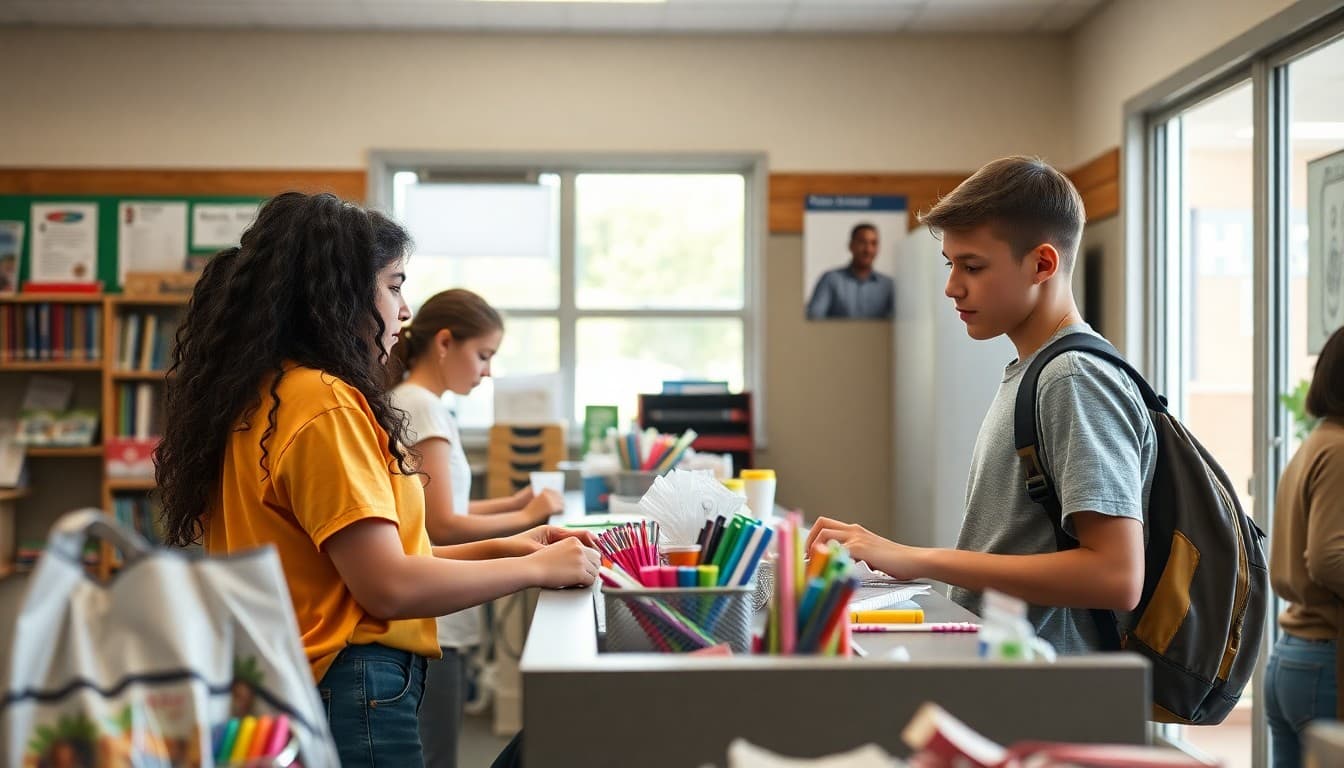
School Newsletter: School Store Opening Announcement Template
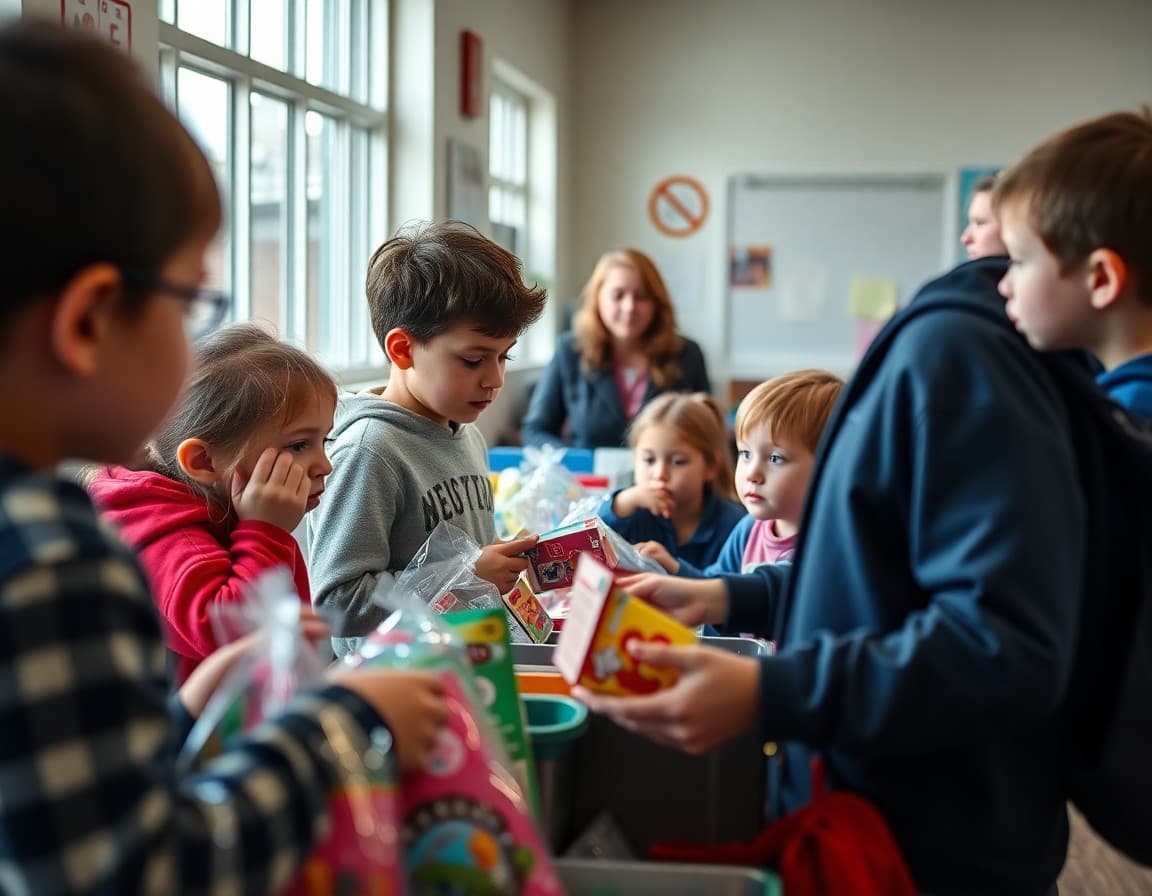
A school store opening is genuinely exciting for students. It is a program they can see, participate in, and benefit from. A newsletter that captures that energy while also giving families the practical information they need, like how payment works and what the store hours are, serves both the celebration and the logistics.
Open with what the store is and who runs it
"We are excited to announce that the [School Name] School Store will open on [date]. The store is student-run: [grade level] students serve as cashiers, inventory managers, and merchandisers under the supervision of [teacher advisor name]. The store sells school supplies, spirit items, and [other categories] to students during [time: morning arrival, lunch, a designated weekly period]." That opening answers the most basic questions: what is it, who runs it, when is it open.
List the items available and prices
Families want to know what their student will want to buy and roughly how much money to send with them. "The store will carry the following items: Pencils: $0.25 each or 5 for $1.00. Erasers: $0.50. Highlighters: $0.75. Folders: $1.00. School-branded stickers: $0.50. Bookmarks: $0.75. [School mascot] keychains: $1.50. Prices may update as inventory changes. A current price list will be posted outside the store." Specific items and prices help families decide how much money to send and help students plan their purchases.
Explain the payment process
"The school store accepts [cash in amounts up to $5.00 / school account credits that can be loaded at the main office / both]. Students should bring exact change when possible as we have limited change-making capacity. Students who pay with cash will receive a receipt. Any remaining balance will be carried in the store's account and applied to future purchases. We do not give cash back for loaded account credits." Clear payment instructions prevent frustration at the store counter and reduce the number of families calling the main office with questions.
Name what the proceeds support
"All proceeds from the school store go directly to [specific use: our school's arts and music enrichment fund, the student council activities budget, field trip scholarships for students who cannot afford the cost, the school library book fund]. This year's store revenue goal is $[amount], which will [specific impact: fund 15 students' field trip costs, purchase 50 new library books chosen by students, cover the cost of this year's end-of-year celebration]." Concrete numbers and specific impacts turn a shopping opportunity into a community investment.

Describe the student operator program
"Students in [grade levels] can apply to work in the school store as cashiers, inventory trackers, or store designers. The application asks students to describe why they want to be involved and what role they are most interested in. Students selected to work in the store receive training from [teacher advisor name] and serve one-week shifts on a rotating schedule. Students who have worked in the store describe it as one of their favorite school activities. Applications are available [at the main office / online at link] and are due by [date]."
Cover the store hours and location
"The school store is located [location]. Store hours: [days and times]. The store will be closed on days with school events that require the store space, on state testing days, and during all-school activities. Closed dates will be announced in the weekly school update." Include a physical location description specific enough that students who have never been to the store can find it.
Close with the opening day event
"Our grand opening is [date]. The first [X] customers will receive a free [item]. Come support your school and our student operators. We look forward to seeing you there."
Get one newsletter idea every week.
Free. For teachers. No spam.
Frequently asked questions
What do student-run school stores typically sell?
Student-run school stores most commonly sell school supplies (pencils, pens, erasers, folders, graph paper, highlighters), school spirit items (stickers, keychains, lanyards, small plush mascots), and inexpensive items that make sense for the student population (bookmarks, small notebooks, card games for indoor recess). Some schools sell healthy snack items where cafeteria policy permits. Items should be priced between $0.25 and $3.00 for elementary stores and up to $5 to $10 for middle and high school stores where students have more disposable income.
How do schools handle payment in a student store?
Most school stores accept cash in small denominations. Some add a card reader or accept student account payments to reduce the cash-handling complexity. Cash-based stores need a clear daily accounting procedure: each student cashier starts with a set amount in the drawer, counts the drawer before and after their shift, and turns in receipts to the teacher advisor. Some schools use a no-cash model where students purchase store credits or coupons from the main office and redeem them at the store. Whatever payment method you use, explain it clearly in the newsletter so families can prepare their student.
What do school store proceeds typically fund?
School store proceeds commonly fund school programs and student activities: the school newsletter fund, arts and music programs, field trip scholarships, the student council activities budget, or library book purchases. Some stores donate a percentage to a community charity chosen by students. Whatever the proceeds support, naming it in the opening announcement gives families a reason to encourage their student to shop there beyond personal convenience. 'Buying a pencil at the school store contributes to field trip scholarships for students who cannot afford the cost' is more compelling than 'the store is open on Wednesdays.'
How do students get involved in running a school store?
School store programs typically recruit students through an application process run by the teacher advisor or student council. Students may apply for roles as cashier, inventory manager, merchandiser, or marketing director. The application process itself teaches business and organizational skills. A newsletter that describes the opportunity to run the store alongside the store's opening announcement recruits the next round of student operators while also informing families about the store's existence.
Can Daystage help schools announce a school store opening to families?
Yes. A school store opening announcement works well in Daystage because you can include photos of the store setup, the item list and prices, the payment process, and the application for student operators in a single organized newsletter. Schools that announce new programs with a comprehensive newsletter generate stronger initial participation than schools that rely on a flyer in the main hallway.

Adi Ackerman
Author
Adi Ackerman is a former classroom teacher and curriculum writer with 8 years in K-8 schools. She writes about school communication, parent engagement, and what actually works in real classrooms.
More for Guides
Ready to send your first newsletter?
3 newsletters free. No credit card. First one ready in under 5 minutes.
Get started free