
Morning vs. Afternoon School Newsletter Send: Which Works Better?
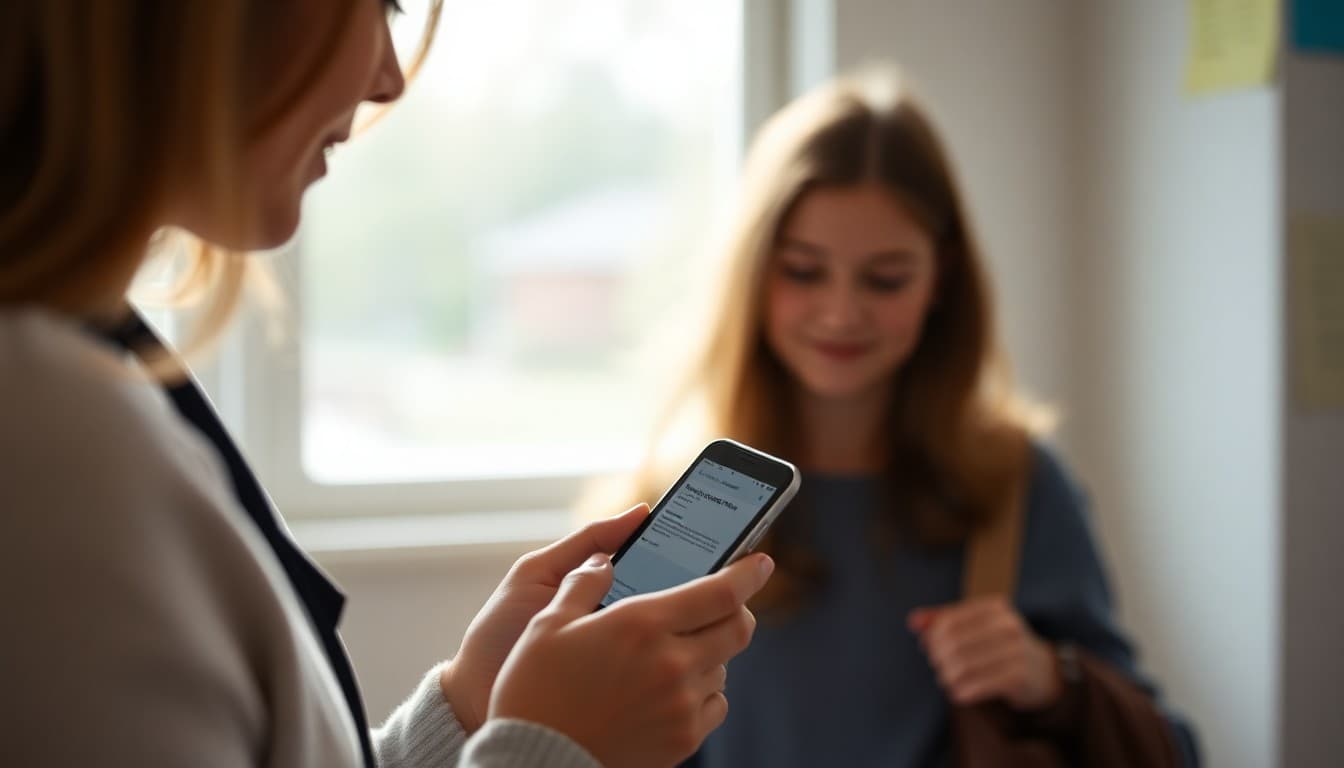
A newsletter sent at 6:30 AM reaches a parent checking their phone before getting out of bed. A newsletter sent at 3:45 PM reaches them while they are waiting at pickup, phone in hand for 30 seconds, then pocketed as the kids come out. Same newsletter. Same parent. Very different reading conditions. Send time matters because reading conditions matter.
The Morning Email Habit
Most adults who use email regularly have a morning check-in pattern: a window between waking up and beginning the day's primary obligations where they process new email. For school parents, this often happens between 6:00 and 8:30 AM, before and during school drop-off. A newsletter that arrives in this window lands when parents are specifically processing incoming information and deciding what to act on. The attention is available in a way it is not during most of the rest of the day.
The Lunch Window as a Secondary Opportunity
For parents who commute or work outside the home, the 12:00 to 1:00 PM window is a secondary peak. Email check rates during lunch are lower than morning but higher than the mid-afternoon slump. A newsletter sent at 12:00 PM can catch parents during a natural reading break. The downside is competition with commercial lunch-hour promotional emails that many platforms time for this window. Morning remains the stronger choice, but noon is a reasonable alternative if morning is not possible.
Why Afternoons Underperform
Afternoon send times between 1:00 and 5:00 PM generally underperform for school newsletters. Parents in work settings are in peak productivity or meeting mode. Parents who are home are managing afterschool activities. The pickup window, specifically 2:30 to 4:00 PM, is active and distracted. Newsletters that arrive during this window often get a quick skim that registers the subject line and nothing else, or get deferred entirely.
Evening Sends: Better Than Afternoon, Worse Than Morning
Newsletters sent between 7:00 and 9:00 PM often perform better than afternoon sends and worse than morning sends. Parents who use evening for reading and catching up on the day's email will open the newsletter in this window. The risk is that evening opens generate less action than morning opens: a parent who reads about a permission slip due tomorrow at 8 PM has less buffer time to respond than a parent who reads about it at 7 AM.
Testing Your Specific Community
Send the same newsletter at 7:00 AM for four sends, then at noon for four sends, then at 4:00 PM for four sends. Compare average open rates. Some communities, particularly those with many stay-at-home parents or late risers, may perform differently from the averages. The four-send test per time window gives you statistically meaningful data for your specific audience without requiring months of experimentation.
When Send Time Cannot Be Optimized
If your newsletter writing happens Friday afternoon and you are not going to hold it until Tuesday morning, send it when it is ready. A newsletter sent at a suboptimal time is better than a newsletter sent late or not at all. Consistency and content quality matter more than timing optimization. Get those right first, then work on timing as a secondary improvement.
Get one newsletter idea every week.
Free. For teachers. No spam.
Frequently asked questions
Is it better to send a school newsletter in the morning or afternoon?
For most school parent communities, 6:00 to 9:00 AM outperforms afternoon sends. Parents check email during the morning commute, at drop-off, and in the first hour of the work day. A newsletter that arrives during this window is seen quickly and acted on while the school week is still in progress. Afternoon sends, particularly after 3 PM, compete with end-of-day work tasks and pickup logistics.
Why does the pickup window produce low open rates for newsletters?
The 2:30 to 4:00 PM window, which is school pickup time for many families, produces lower newsletter open rates because parents are physically managing logistics rather than reading email. A newsletter that arrives during pickup either gets skimmed in two seconds or filed for later. Filed-for-later means opened tomorrow, if at all. The pickup window is one of the worst times to compete for parent attention.
Does the optimal send time vary by family type?
Yes. Working parents who drop children off and commute are most available early morning and during lunch. Parents who are home during the day may read at any time. The morning window is a reasonable best guess for most communities because it captures working parents during their most consistent email-reading time. If your community has many stay-at-home parents, a 9:00 to 10:00 AM send after drop-off may work even better.
How much does send time actually affect open rates compared to other factors?
Subject lines have a larger effect on open rates than send time. List quality has a larger effect. Consistency has a larger effect. Send time optimization is a real improvement but it is the last optimization to make, not the first. Get the subject line right, keep the list clean, send consistently, and then test timing. Do not expect timing changes to compensate for weak subject lines.
Can Daystage schedule newsletters to send at a specific time?
Daystage lets you finalize a newsletter and send it immediately. For schools that want to optimize send timing, writing the newsletter on Wednesday evening and sending it Thursday morning is a simple workflow. The platform is designed for quick, deliberate sends rather than elaborate automation, which matches how most school newsletter writers operate.

Adi Ackerman
Author
Adi Ackerman is a former classroom teacher and curriculum writer with 8 years in K-8 schools. She writes about school communication, parent engagement, and what actually works in real classrooms.
More for Guides
Ready to send your first newsletter?
3 newsletters free. No credit card. First one ready in under 5 minutes.
Get started free