

School Newsletter: Responding to Media Attention at Your School
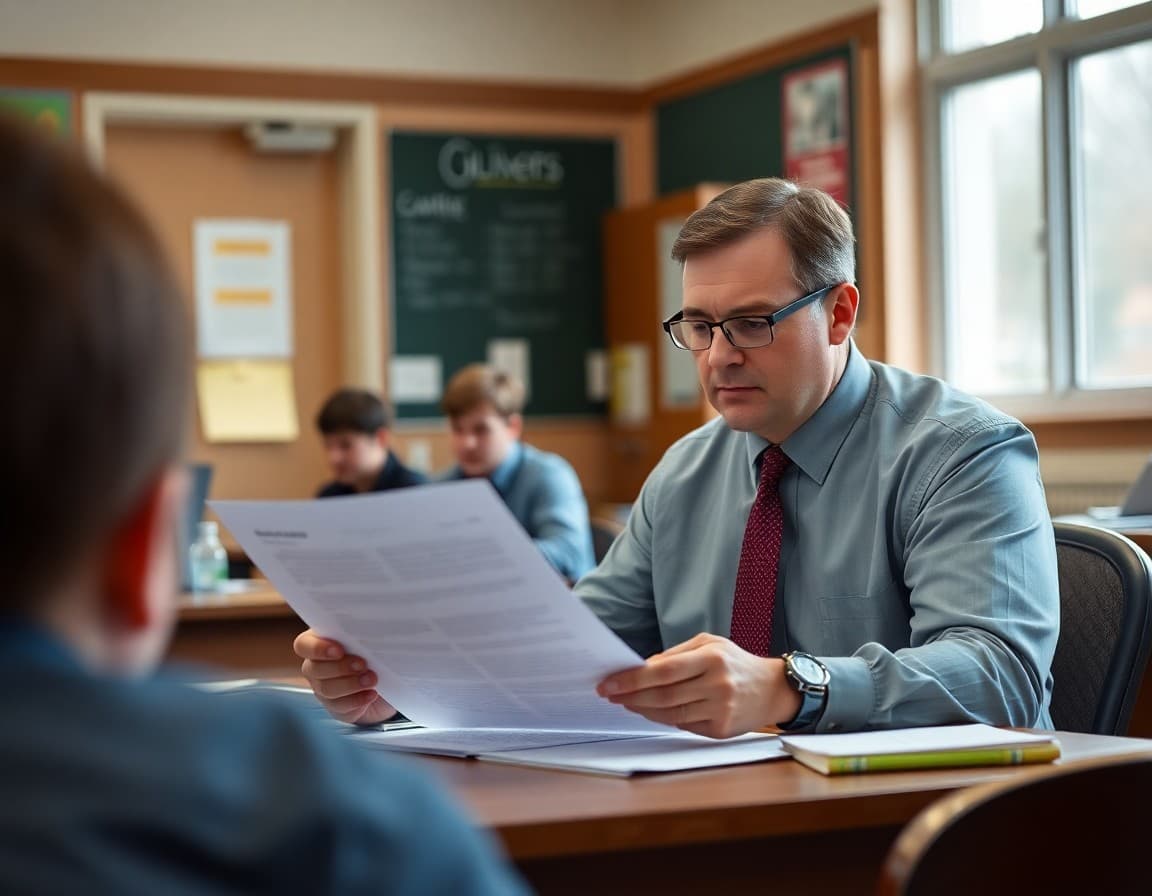
Media attention at a school puts families, staff, and students in an uncomfortable position. Families want to know what is happening. Staff want guidance on what to say. Students are curious and sometimes distressed. The school's newsletter in this situation has a specific job: give families the school's perspective clearly and quickly so that the news story is not their only source of information about their child's school.
Send a communication before the story runs if possible
If you know a media story about your school is in progress, do not wait for it to publish. Send a newsletter before it runs. "I want to make you aware that [news outlet] is currently working on a story that involves our school. The story concerns [general subject]. I have spoken with the reporter and provided [our response / factual context / a statement]. Whatever the story ultimately reports, I want you to hear our perspective directly."
That communication gives families the school's position before the news shapes their first impression. It does not require predicting the content of the story. It requires being proactive rather than reactive.
Address the underlying concern honestly
The media inquiry exists for a reason. There is an underlying issue, a complaint, an incident, or a policy question that generated the media interest. Address it directly in the newsletter rather than hoping families will not connect the media coverage to an actual concern. "The media inquiry relates to [general description of the concern]. I want to be clear about our school's position: [brief, honest statement of the school's position on the actual issue]. We have [describe what action has been or is being taken]."
Explain the media access policy at school
"Members of the media who arrive at our school during the school day are directed to the main office and may not access classrooms, the cafeteria, or other student areas without explicit permission from the school administration. Media may not photograph or interview students on school property without written permission from the student's parent or guardian and approval from the school. If you see a reporter or camera crew at the school entrance or near the building, please continue to your normal activities. Students will be briefed on how to respond if approached by media outside school property."
Address staff communication about the media situation
Families who read this newsletter include people who talk to teachers. Give staff clear guidance that is consistent with the family communication. "Staff have been asked to direct all media inquiries to the school principal and to refrain from speaking individually to reporters about this matter. This is not a request to hide information. It is a standard practice that ensures our community receives consistent, accurate information rather than multiple conflicting statements." Including this note in the family newsletter tells families what to expect if they ask a teacher about the situation.

After the story runs: address inaccuracies specifically
"The story published by [outlet] on [date] contained several statements that require clarification: The story reported that [specific claim]. The accurate information is [correction]. The story described [another claim]. We want to clarify that [correction]. We have contacted [reporter / outlet] to request a correction." Specific corrections are credible. General statements that the story was unfair or inaccurate are not.
Provide a channel for families to ask questions
"If you have questions about the media coverage or about the underlying issue, please contact me directly at [email] or attend our community Q&A session on [date] at [time] in [location]. I am committed to being available to our community during this period and will respond to all questions as fully as I am able."
Close with a forward-looking statement
"Media coverage of a school, whether positive or critical, is a part of the public accountability that comes with running a public institution. We welcome accountability. Our focus remains on our students, our programs, and the community we are building together every day. Thank you for your trust and for the direct conversations you are willing to have with us."
Get one newsletter idea every week.
Free. For teachers. No spam.
Frequently asked questions
When does a school need to communicate to families about media coverage?
A school should communicate to families when media coverage is likely to reach them before the school's own communication does, when the coverage involves their student or their child's school experience, when the coverage contains inaccuracies that could mislead families, or when the existence of a news crew on school property creates visible disruption or concern. A story that is unlikely to reach your school's specific families and involves no student safety concerns may not require a family newsletter. Most media attention that involves a school incident, investigation, or community controversy warrants proactive communication.
What should a school tell families before a news story runs?
A proactive newsletter sent before a story publishes gives families the school's perspective before the news narrative shapes their view. Include: what the media inquiry is about, what the school's response to the media has been, what the school's actual position on the underlying issue is, and what families can expect from the story. This does not require predicting what the story will say. It requires giving families the honest context so they read the eventual story with the school's perspective already in mind.
What should a school communicate to families after a negative news story runs?
Address inaccuracies specifically rather than generally. 'The story reported that [specific claim]. We want to clarify that [accurate information].' Do not attack the reporter or the outlet. Do not dismiss the family concerns that may have driven the media inquiry. Acknowledge the underlying issue directly if it is legitimate. Tell families what the school is doing about it. A post-story newsletter that reads as purely defensive reinforces the impression that the school is more concerned with its reputation than with addressing the actual concern.
How do you protect students during media coverage of a school incident?
Remind students and families in the newsletter that media may not photograph, film, or interview students on school property without permission from both the parent and the school. Any reporter who arrives on campus should be directed to the main office immediately. Students should be instructed not to speak to media without a parent and school administrator present. Teachers should be briefed on the media protocol before the school day begins on any day when media presence is expected. Post a staff communication confirming the protocol so every staff member handles it consistently.
Can Daystage help schools communicate during media attention situations?
Yes. A media response newsletter benefits from a structured, professional format that signals calm, deliberate communication rather than reactive crisis messaging. Daystage lets you draft the newsletter carefully, have it reviewed by district leadership or counsel, and send it to all families at once. Schools that communicate proactively during media attention maintain stronger community trust than those that wait for the news cycle to run its course without responding.

Adi Ackerman
Author
Adi Ackerman is a former classroom teacher and curriculum writer with 8 years in K-8 schools. She writes about school communication, parent engagement, and what actually works in real classrooms.
More for Guides
Ready to send your first newsletter?
3 newsletters free. No credit card. First one ready in under 5 minutes.
Get started free