

School Newsletter: Communicating a Mascot Change to Families
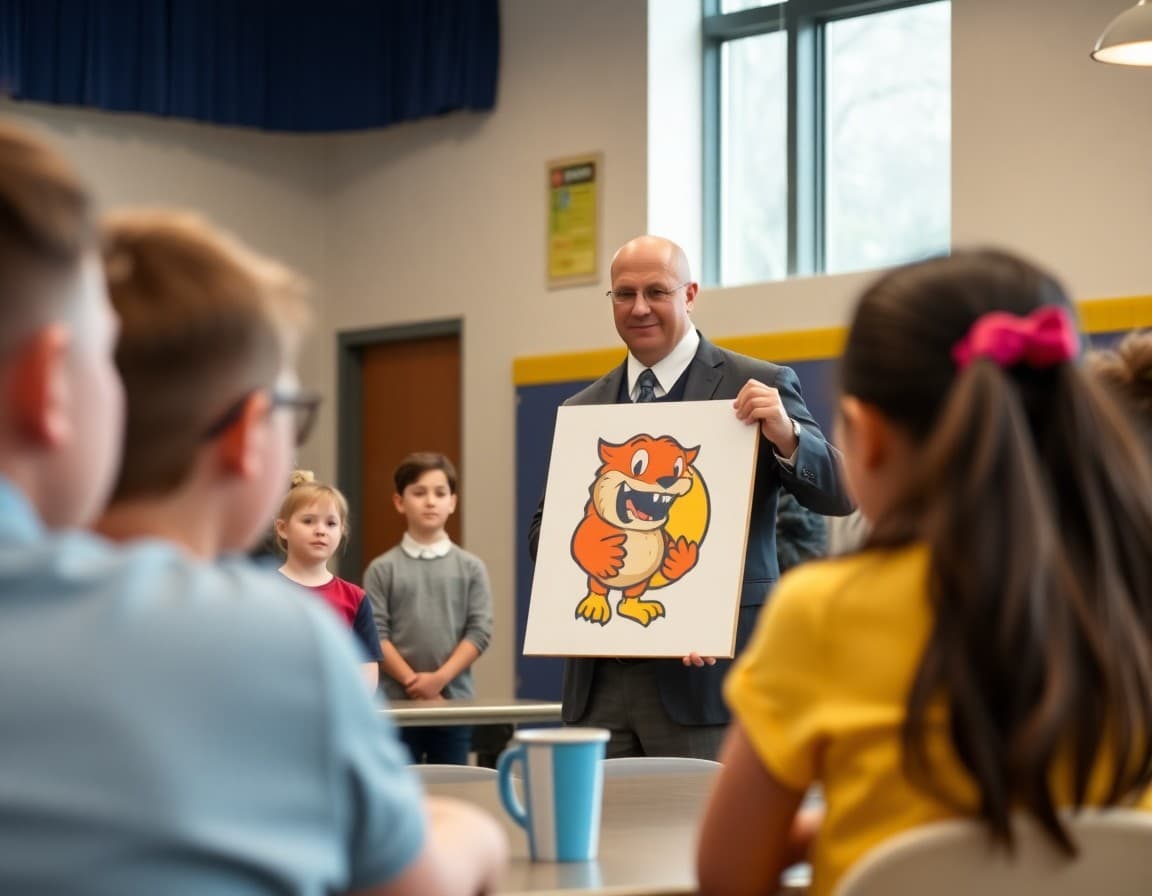
Mascot changes generate more community emotion than almost any other school decision. Alumni who graduated 30 years ago feel ownership over the mascot. Current students did not choose it but have grown up with it. Parents associate it with their own school experience. Staff wore it on their first-day name badge. A newsletter that handles this announcement with care and honesty can navigate all of that. One that does not can turn a manageable transition into a months-long controversy.
This guide covers how to write a mascot change newsletter that addresses the real reasons for the change, handles community resistance thoughtfully, and builds momentum for the new identity.
State the change and the reason in the first paragraph
Open with the announcement and the reason together. Do not separate them. "I am writing to share an important change to our school's identity. [School Name] will retire the [old mascot] and adopt a new mascot, effective [date]. This decision was made after [brief reason: an 18-month community review, a request from Indigenous community leaders, a student-led petition, or whatever is accurate]." The reason does not belong three paragraphs in. It belongs in the first one because it is the part families most want to understand.
Describe the decision process in detail
How long did the process take? Who was involved? Were students, families, staff, alumni, or community organizations consulted? Were there public meetings? Was there a board vote? The longer and more transparent the process, the more credibility the decision has. "The school board formed a community advisory committee in September 2024. The committee met monthly for eight months, heard testimony from 14 community organizations and 67 individual community members, commissioned an independent review of the mascot's historical origins, and presented its recommendation to the board in May 2025." That level of detail shows families that the decision was not made casually.
Acknowledge the emotional weight for alumni and longtime community members
This section matters more than most principals expect. Alumni who feel that their memories are being dismissed become the loudest critics of the change. A paragraph of genuine acknowledgment is not weakness; it is effective communication. "For many members of our community, the [old mascot] represents years of shared memories: Friday night games, championships, school plays, graduations. Those memories are real and valuable, and this change does not erase them. What we are changing is what we put forward as the symbol of our school's identity going forward, based on who our community is today and the values we want to represent."

Reveal the new mascot with context and any student involvement
If the new mascot has been chosen, introduce it with the story behind it. Was it chosen by student vote? Designed in a competition? Selected by a committee? What does it represent about your school? "Our new mascot, the [name], was chosen through a school-wide student vote from four finalist options. The winning design was created by [student's first name], an 11th-grader in our graphic arts program. The [name] was chosen by our community because it represents [brief description of the symbolism]." Student authorship of the new identity is one of the most powerful tools for building buy-in.
Handle the logistics clearly
A logistics template for the newsletter: "Team uniforms: Current uniforms will be used through the end of this athletic season. New uniforms featuring the [new mascot] will be available for the [season] season. Spirit wear: The school store will continue to sell current inventory with the [old mascot] through [date]. New [new mascot] merchandise will be available in the school store starting [date]. School signage: The gymnasium mural and exterior signs will be updated over winter break. Letterhead and official school materials will reflect the new mascot beginning [date]."
Address what to do with existing gear
Families want to know whether their child's sweatshirt becomes contraband. Be clear. "We are not asking families to discard or replace existing [old mascot] spirit wear. Students may continue to wear items with the [old mascot] through the end of this school year. Beginning next school year, official school merchandise will feature the [new mascot]. We ask families to transition over time rather than immediately." That policy is practical, costs families nothing, and removes one source of anxiety from the change.
Close with the reveal event details
If you are hosting a mascot reveal ceremony, name the date, time, and location. If families or community members are invited, say so. A reveal event turns the transition into a community moment rather than a bureaucratic change. Even families who had reservations about the change often leave a well-run reveal ceremony with genuine enthusiasm for the new identity because the energy of the room reshapes their first impression of the new mascot.
Get one newsletter idea every week.
Free. For teachers. No spam.
Frequently asked questions
How do you communicate a mascot change that was driven by cultural sensitivity concerns?
Be direct about the reason. If the mascot change is the result of a finding that the previous mascot used imagery that was disrespectful to Indigenous communities, say so clearly. Do not use euphemisms like 'updating our brand identity' when the real reason involves a community's request that their culture not be appropriated. Families who receive a newsletter that explains the real reason are more likely to understand and accept the change than families who receive a vague communication and then learn the real reason from social media. Directness in a sensitive mascot change is both more honest and more effective.
What should a school do if the alumni community resists a mascot change?
Acknowledge the alumni connection to the previous mascot explicitly. Many alumni have decades of memories associated with the mascot, and dismissing that attachment creates resentment. 'We understand that the [old mascot] has been part of this school's identity for more than 40 years and that many alumni carry deep memories associated with that name. We honor those memories. The decision to change the mascot was made with respect for our community's history and a commitment to the values we want our current students to carry forward.' That language acknowledges the loss without reversing the decision.
How should the newsletter handle the unveiling of the new mascot?
The new mascot reveal is an event, not just a disclosure. If you are planning a reveal ceremony, build excitement in the newsletter before the event rather than just announcing the new name. If the mascot was chosen through a student design competition or community vote, highlight the process. 'Our new mascot was selected through a competition that received 83 student design submissions. A committee of students, staff, and community members reviewed the entries. The winning design will be revealed at a school assembly on [date].' That process narrative turns the new mascot from something that happened to the community into something the community built.
What logistics should a mascot change newsletter cover?
Cover uniform transitions (when will team jerseys change, can students still wear old mascot gear), signage updates (gymnasium, outdoor signs, letterhead), and merchandise (will the school store continue to sell old mascot items, will a new merchandise line be available). If there are transition costs, be transparent about where the funding is coming from. Families who wonder whether they need to replace their child's school hoodie before the first game appreciate a clear answer over having to call the main office.
Can Daystage help schools send mascot change newsletters professionally?
Yes. A mascot change is a high-visibility communication that benefits from a polished, professional format. Daystage lets you draft the newsletter with clear sections, attach the new mascot image if you are ready to reveal it, and send to all families at once. A well-designed newsletter signals that the change was thoughtful and planned, which matters a great deal when community emotions are high.

Adi Ackerman
Author
Adi Ackerman is a former classroom teacher and curriculum writer with 8 years in K-8 schools. She writes about school communication, parent engagement, and what actually works in real classrooms.
Ready to send your first newsletter?
3 newsletters free. No credit card. First one ready in under 5 minutes.
Get started free