
School Newsletter Legal Review Checklist: Protect Your District
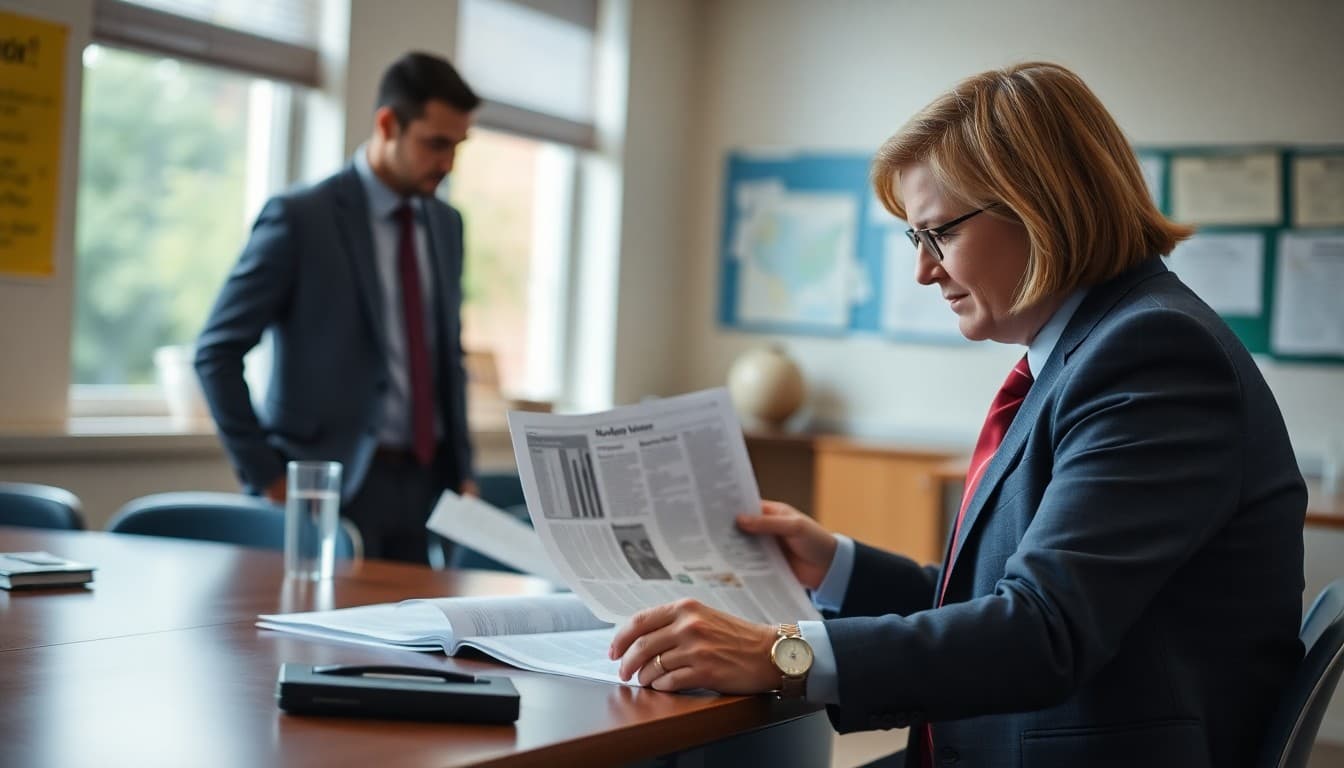
Most school newsletter problems are avoidable: a student name published without consent, a photo of a child whose family opted out, a section that contradicts district policy. None of these require a legal degree to prevent. They require a consistent pre-send checklist that catches the most common issues before families receive the newsletter. This is that checklist.
FERPA: What You Can and Cannot Include About Students
FERPA protects student education records. In newsletter terms, this means you cannot publish grades, test scores, behavioral notes, disciplinary records, or special education information about individual students without explicit written consent. What you can publish under the directory information exception includes names in honor roll lists, general grade level mentions, and participation in school activities, provided your district has properly notified families about directory information and they have not opted out. If you are unsure whether a student's family has opted out of directory information sharing, do not publish their name until you check.
Photo Consent: Build a Cross-Check System
Every school should maintain a list of students with active photo restriction forms. Before any newsletter goes out with student photos, the editor should cross-reference those photos against the restriction list. This is a five-minute check that prevents serious violations. For photos submitted by parents or volunteers, an additional step is required: confirm that the photo does not clearly identify any student whose family has not consented. Group photos from field trips or assemblies are particularly risky if your photographer did not know to exclude restricted students from the frame.
Copyright and External Content
School newsletters routinely borrow content without realizing it is copyrighted. Common examples include news article summaries that go beyond fair use, clip art from subscription services used after the subscription expired, social media posts from community members republished without permission, and logos from local businesses used in sponsor acknowledgments without written permission. The safest approach is to use only content your staff created, images from your school photographer, or licensed stock images. For any outside source, get written permission or link out instead of reprinting.
CAN-SPAM and Email Opt-Out Requirements
If your newsletter goes out by email, include these four elements in every send: your school's physical mailing address, a clear identification that the email comes from the school, a working unsubscribe mechanism, and prompt handling of unsubscribe requests (within 10 business days under CAN-SPAM, ideally within 24 hours for trust reasons). Some districts also include a brief statement that the newsletter is sent to enrolled families as part of school communications, which helps with the commercial email distinction. Do not send to personal email addresses you collected informally outside the enrollment process.
Content That Requires Administrator Review
Certain newsletter content categories should always go through an additional review step regardless of how routine the newsletter process is. These include: any mention of a school safety incident, content about a specific family or student's circumstances, information about a staff member beyond their name and role, announcements about policy changes or disciplinary procedures, and any content that engages with an ongoing community controversy. Flag these sections before they reach the editor and route them to the principal or district communications office for explicit approval.
Pre-Send Legal Checklist
Run through this checklist before every newsletter send:
- No individual student data beyond directory information
- All student photos cross-checked against restriction list
- No copyrighted text or images without permission
- Unsubscribe link present and working in footer
- School's physical address in footer
- No mention of ongoing investigations or legal matters
- Crisis or incident language approved by administration
- Sponsor logos have written permission to publish
- No medical or health information about specific students
- Language about policy changes reviewed against official district documents
When Something Gets Through That Should Not Have
If you publish something that violates any of these standards, act quickly. Send a correction or retraction newsletter within 24 hours. Contact any affected family directly by phone before they see the correction newsletter. Document what happened, how it was caught, and what process change will prevent it from happening again. Do not wait to see if anyone notices. Proactive correction protects the school's relationship with families far better than hoping the mistake is overlooked.
Make Legal Review Part of Your Standard Template
The most reliable way to keep newsletters compliant is to build legal review into the template itself. Add a footer checklist block that the editor signs off on before sending, include placeholder text in the template footer with required elements already in place, and keep a dated record of every newsletter you send with the reviewer's initials attached. This documentation is what protects the district if a compliance question comes up months or years after a newsletter was sent.
Get one newsletter idea every week.
Free. For teachers. No spam.
Frequently asked questions
Does FERPA apply to content published in a school newsletter?
Yes. FERPA protects student education records, and newsletters that identify individual students, share academic performance details, or include behavioral information without proper consent can create FERPA violations. The general rule is to treat student-specific information (grades, disciplinary records, special education status) as protected. Public recognition like honor roll lists published in the newsletter typically falls under the directory information exception, provided families were notified and given an opt-out opportunity at enrollment.
What photo consent issues come up most often in school newsletters?
The two most common issues are using photos taken by parents at school events where other children appear without those families' consent, and using student photos after a family has submitted a photo restriction form. Both can be avoided by using only photos from your district photographer or staff photographer where students with photo restrictions were kept out of frame, and by cross-checking any submitted parent photos against your photo restriction list before publishing.
Does a school newsletter need an unsubscribe option?
For email newsletters, yes. CAN-SPAM and most state email laws require commercial emails to have an unsubscribe mechanism. While school newsletters are not commercial emails, including an unsubscribe option is considered best practice and protects the district from complaints. More importantly, families who cannot opt out of emails they do not want often mark them as spam, which damages your email deliverability for everyone. Provide a clear unsubscribe link in every newsletter footer.
Can we reprint articles from other publications in our school newsletter?
Only with permission. Copyright law applies to school newsletters. You cannot reprint a newspaper article, quote extensively from a book, or republish social media posts without the rights holder's permission. You can summarize or link to external content. For images, use photos your staff took, use images licensed under Creative Commons with proper attribution, or purchase stock photos. Free images from Google search are not safe to republish.
How should we handle sensitive crisis communications in the newsletter to avoid legal problems?
Avoid naming individuals involved in incidents, avoid characterizing ongoing investigations, and do not include information that could affect legal proceedings. Work from language pre-approved by the district's legal counsel or communications office. Daystage's archive feature lets you save a copy of every newsletter you send, which can be important documentation if communications are ever questioned in a dispute.

Adi Ackerman
Author
Adi Ackerman is a former classroom teacher and curriculum writer with 8 years in K-8 schools. She writes about school communication, parent engagement, and what actually works in real classrooms.
More for Guides
Ready to send your first newsletter?
3 newsletters free. No credit card. First one ready in under 5 minutes.
Get started free