
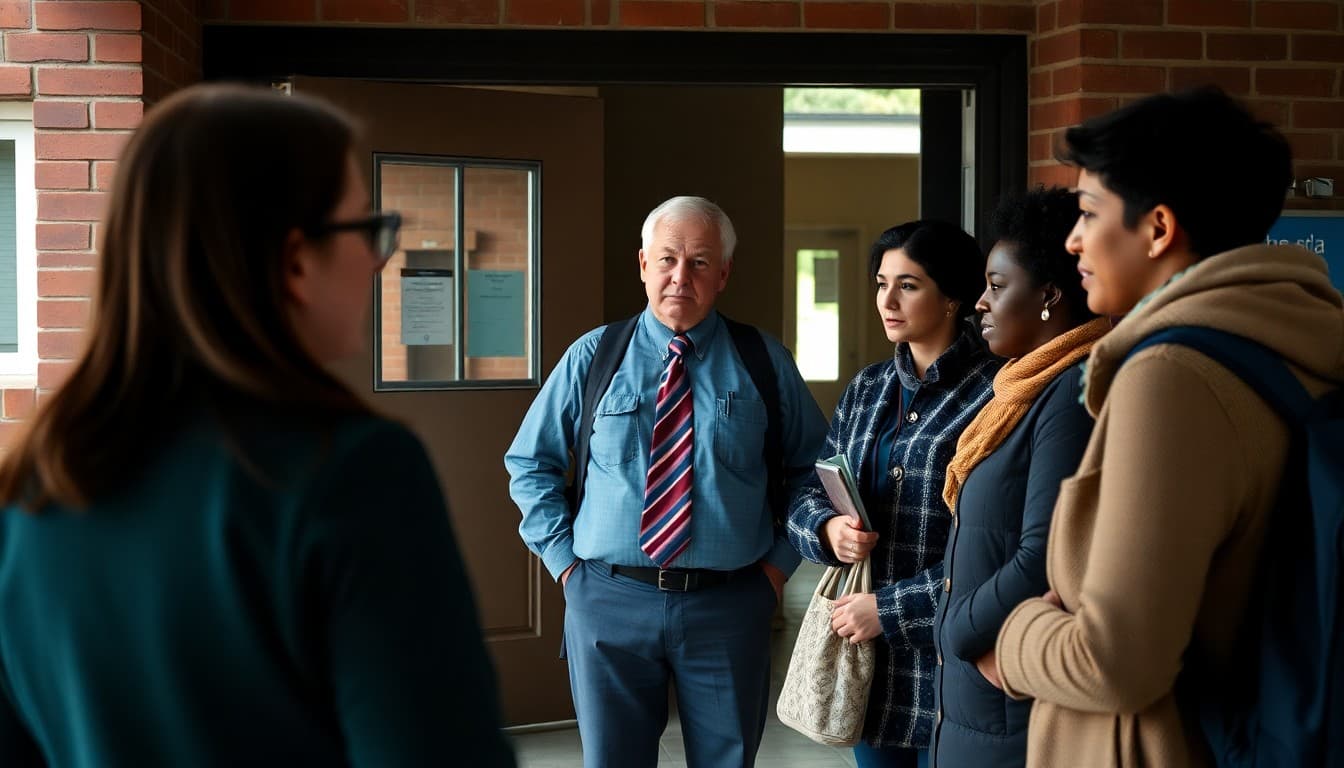
School Newsletter: Communicating Persistent Bus Delays to Families
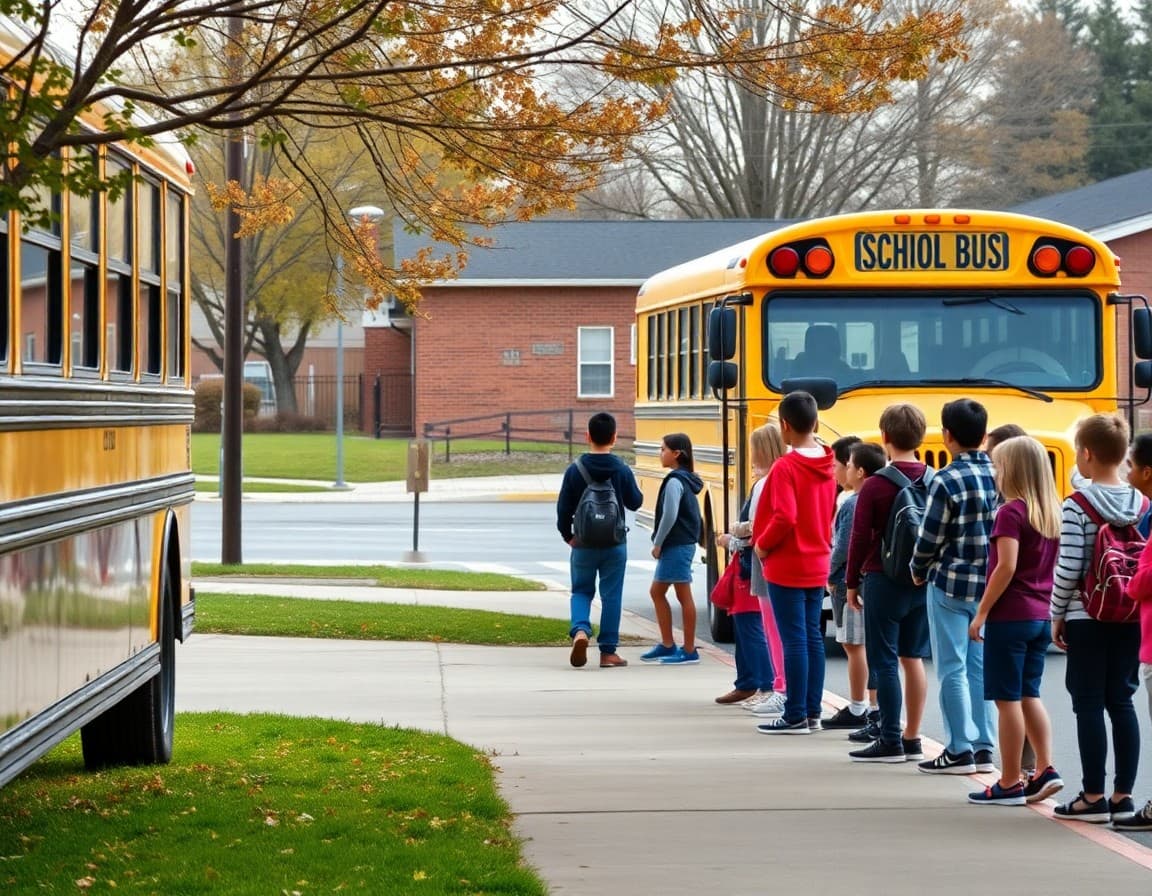
Persistent bus delays are a slow-burning frustration that compounds daily. Families who rearrange their morning schedule once forgive it. Families who do it every day without explanation or timeline from the school start escalating to the district. A newsletter that explains the situation honestly and gives families what they need to plan around the delays converts that escalation energy into patience, at least for a while.
Acknowledge the problem directly in the first paragraph
"I am writing to address the bus delays that have been affecting [route numbers / students on routes serving specific neighborhoods] for the past [time period]. I know these delays have created real challenges for families and students, and I want to explain what is happening and what we are doing about it." That opening validates the family experience before explaining anything. Families who feel heard are more patient than families who receive an explanation before an acknowledgment.
Explain the cause of the delays honestly
"The delays are primarily caused by [specific cause: a shortage of qualified bus drivers in our district, which has resulted in routes being covered by drivers unfamiliar with the stops / a mechanical issue with the vehicle assigned to Route [X] that is awaiting parts / road construction on [street] that adds 20 to 30 minutes to the standard route time / an enrollment increase on Route [X] that added 22 students to a route that was already at capacity]. We are being honest with you about the cause because you deserve to know what is actually happening."
Describe what the school and district are doing
"We are working with our transportation department on the following specific steps: [list: Recruiting and hiring additional drivers, with two drivers currently in training and expected to begin service by [date]. Reconfiguring Route [X] to reduce the stop sequence and cut approximately 15 minutes from the route. Requesting a temporary replacement vehicle for Route [X] while the original vehicle is being repaired. Coordinating with the city's traffic engineering department about the construction detour.] We will update families as each of these steps produces results."
Confirm the attendance protection policy
"Students who arrive late to school as a direct result of bus delays will be marked as a transportation-related late arrival in our attendance system. This is not counted as an unexcused tardy. Students will not face attendance consequences or academic penalties for tardiness caused by documented transportation delays. If your student's attendance record shows anything different, please contact the main office at [email] and we will correct it immediately."

Describe the plan for students who arrive late to school
"Students who arrive late due to a bus delay will be met at the door by [staff member]. They will proceed directly to class with a late arrival pass. No students will be turned away or required to check in at the front office during the delay period. Students who miss breakfast due to a late bus will be able to access a grab-and-go breakfast from [location] before going to class."
Tell families when to expect updates
"We will send a progress update on [specific date] regardless of whether the situation has been fully resolved. If a significant change happens before that date, we will communicate it immediately. We know that waiting for updates is frustrating when the problem is affecting your family every day, and we are committed to keeping you informed rather than going silent."
Provide a direct channel for families experiencing the worst delays
"If your student's bus has been delayed by more than 30 minutes on multiple occasions and you are considering alternative transportation, please contact [name] at [email] before changing your transportation arrangement. In some cases, we can temporarily reassign your student to a different route or provide a temporary alternative arrangement while the situation is resolved."
Get one newsletter idea every week.
Free. For teachers. No spam.
Frequently asked questions
When should a school communicate about persistent bus delays?
A school should communicate when bus delays are consistent enough to affect student attendance and family planning on a regular basis. A one-time delay due to weather or traffic does not require a newsletter. Delays that happen multiple times a week for more than two weeks, or a structural problem with a route that the transportation department is actively working to resolve, warrant a formal communication. Families who are rearranging work schedules or facing attendance consequences because of bus delays deserve an explanation and a timeline.
What causes persistent school bus delays?
Common causes of persistent bus delays include driver shortages (the most widespread cause in recent years), route inefficiencies caused by changes in student ridership patterns, mechanical issues with specific vehicles, road construction affecting standard routes, new students added to a route that was already at capacity, and a combination of all the above during fall enrollment spikes. Whatever the cause in your specific situation, families deserve an honest explanation rather than a vague acknowledgment that delays are occurring.
How should a school handle students who arrive late due to bus delays?
Students who are late due to documented bus delays should be marked as a transportation-related late arrival, not as an unexcused tardy. The school's attendance policy should have a provision for this. The newsletter should confirm explicitly that students will not face academic or attendance penalties for late arrivals that are the direct result of bus delays. Families who do not receive this assurance may choose to drive their child rather than risk an attendance mark, which removes a student from the bus and can further destabilize the route.
What information can a school share about the expected resolution of bus delays?
Be as specific as the transportation department can support. If a driver shortage is the cause and new drivers are being hired, say 'we expect to have [number] new drivers trained and on route by [date].' If a route is being reconfigured, describe what that means. If the resolution timeline is genuinely unknown, say so honestly: 'We do not have a confirmed resolution timeline and we understand that is frustrating. We will send an update by [date] with progress.' Honest uncertainty is more respectful of families' time than false optimism.
Can Daystage help schools communicate ongoing transportation issues to families?
Yes. A persistent bus delay communication is often needed quickly after the problem has been identified but before a solution is in place. Daystage lets you draft and send the communication promptly, in a professional format that signals the school is treating the situation seriously. Schools that communicate transportation issues proactively receive more cooperative responses from families than schools that wait until families are already frustrated and escalating.

Adi Ackerman
Author
Adi Ackerman is a former classroom teacher and curriculum writer with 8 years in K-8 schools. She writes about school communication, parent engagement, and what actually works in real classrooms.
Ready to send your first newsletter?
3 newsletters free. No credit card. First one ready in under 5 minutes.
Get started free