

Navigating Controversial Topics in Your School Newsletter
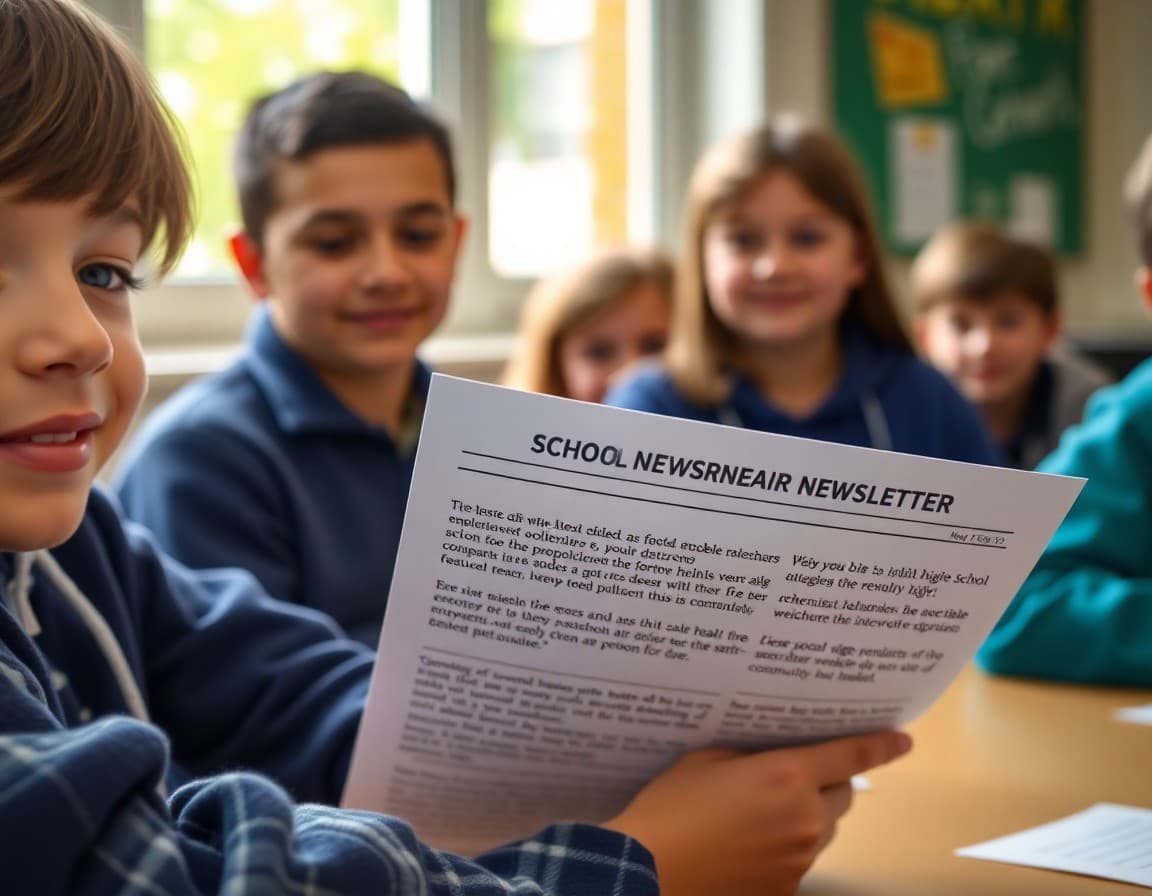
A principal sends a newsletter with a paragraph about a community event that turns out to be politically divisive. Forty parent emails arrive that afternoon, split between those who support the framing and those who object to it. The newsletter was sent in good faith. The controversy was not anticipated. Most schools face this situation eventually. Here is how to reduce the frequency and manage the fallout.
Defining What Is Actually Controversial
Not everything sensitive is controversial. A newsletter section about a student who died is sensitive but not controversial. A newsletter section about a contested curriculum change is both. A helpful working definition: a topic is controversial for newsletter purposes when thoughtful, reasonable people with different values would reach genuinely different conclusions about whether it belongs in the newsletter and how it should be framed. If you cannot predict a clear majority position among your parent community, the topic needs careful handling.
The School's Role Versus Taking a Position
There is a consistent distinction that separates newsletters that handle controversy well from those that generate conflict: communicating what the school is doing is different from evaluating what the school or community should believe. "Our students are studying the history of civil rights legislation" is a statement about curriculum. "Civil rights legislation was the right approach" is a position. The first belongs in the newsletter. The second probably does not.
Language That Signals Neutrality Without Dishonesty
Neutral framing does not mean vague framing. "Families have a range of views on this issue, and we respect that diversity in our community" is a sentence that acknowledges complexity without abandoning the school's responsibility to communicate. It signals that the school is not going to adjudicate the debate from the newsletter. It also invites families with concerns to engage directly rather than through social media.
Topics That Require Administrator Review Before Publication
Build a short list of topic categories that trigger a mandatory review before the newsletter goes out. This list typically includes anything touching on political events, legislative changes affecting education, community disputes, religious observances, social policy debates, and personnel matters. When a newsletter draft includes content from these categories, it waits for review before sending. This is not censorship. It is quality control.
When Not to Address a Controversial Topic in the Newsletter
Sometimes the right decision is not to address a topic in the newsletter at all. A community dispute that does not directly affect day-to-day school operations may be better handled in a specific meeting with concerned families than in a newsletter that goes to everyone. A political controversy that students have been discussing may be better addressed in a parent conversation or town hall than in a newsletter that can be forwarded widely and quoted out of context.
Responding When a Newsletter Generates Controversy
When a newsletter section generates significant parent feedback, respond within 24 hours. Acknowledge that you have received the feedback and are taking it seriously. If the section was problematic, say so directly: "Looking back at how we framed that section, we understand why it was concerning for some families. That was not our intent, and here is what we will do differently." If the section was appropriate and the controversy reflects a genuine community division, explain the intent without defending it as perfect.
The Buffer Value of a Review Step
Most newsletter controversies are preventable. A second reader who was not involved in writing the section will catch the phrase that seemed neutral to the writer but reads as loaded to someone outside the context. The review step for potentially sensitive content is the cheapest prevention tool available. It costs five minutes. It prevents days of parent email management.
Get one newsletter idea every week.
Free. For teachers. No spam.
Frequently asked questions
What counts as a controversial topic in a school newsletter?
A topic is controversial in the newsletter context when families with different political, religious, or cultural viewpoints would come to genuinely different conclusions about it. This includes political events, social policy debates, religious observances that some families do not share, and community disputes where the school has no official position. It does not include factual health and safety information that happens to overlap with political debates.
Should a school newsletter ever take a political position?
Almost never. A school newsletter represents the institution, and taking political positions alienates families on the other side of the issue while providing limited benefit. There is a difference between stating school values, such as that all students are welcome and safe, and taking a position on a contested political question. The first is appropriate. The second is almost always outside the newsletter's purpose.
How do you address a topic that the community is divided about?
Acknowledge that the topic exists, state only what the school is doing and how families can engage, and avoid evaluating the different community positions. 'We are aware that families have a range of views on this topic. Our role is to provide [SPECIFIC EDUCATIONAL INFORMATION] and ensure students have a safe learning environment. If you have concerns, please contact [NAME].' This response is honest, actionable, and does not take a side.
What should a school do if a newsletter section generates controversy?
Respond promptly to the concerns raised. Acknowledge the reaction. Explain the intent behind the section. If the section was genuinely problematic, say so and explain what you will do differently. Do not double down defensively, and do not apologize for content that was appropriate. The response is almost more important than the original content in determining how the controversy resolves.
How does Daystage support careful review of newsletter content?
Daystage allows multiple team members to access and review a newsletter draft before it is sent. This makes it practical to have a second reader review potentially sensitive sections before they go out. Many schools use Daystage's multi-user access to run an approval step on newsletters that touch on sensitive community topics.

Adi Ackerman
Author
Adi Ackerman is a former classroom teacher and curriculum writer with 8 years in K-8 schools. She writes about school communication, parent engagement, and what actually works in real classrooms.
More for Guides
Ready to send your first newsletter?
3 newsletters free. No credit card. First one ready in under 5 minutes.
Get started free