
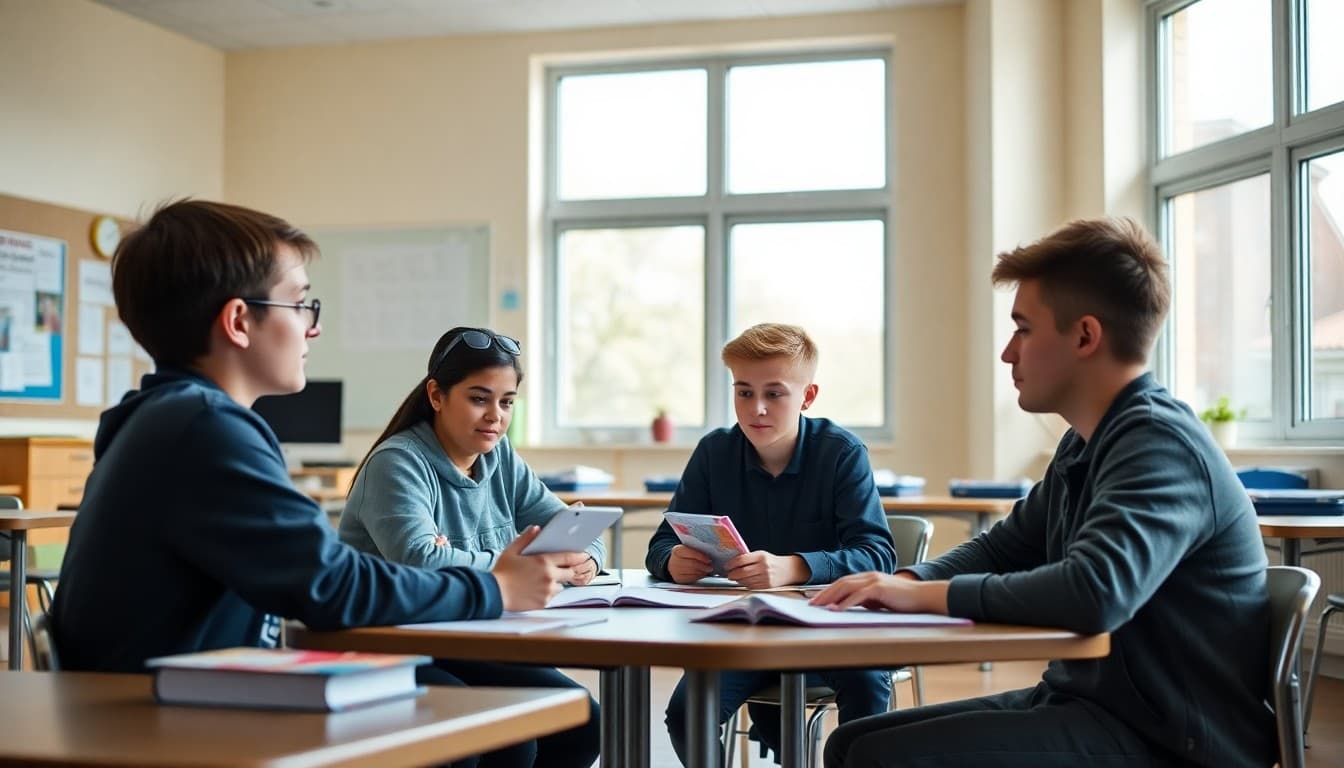
Pandemic Recovery School Newsletter: Where We Are Now
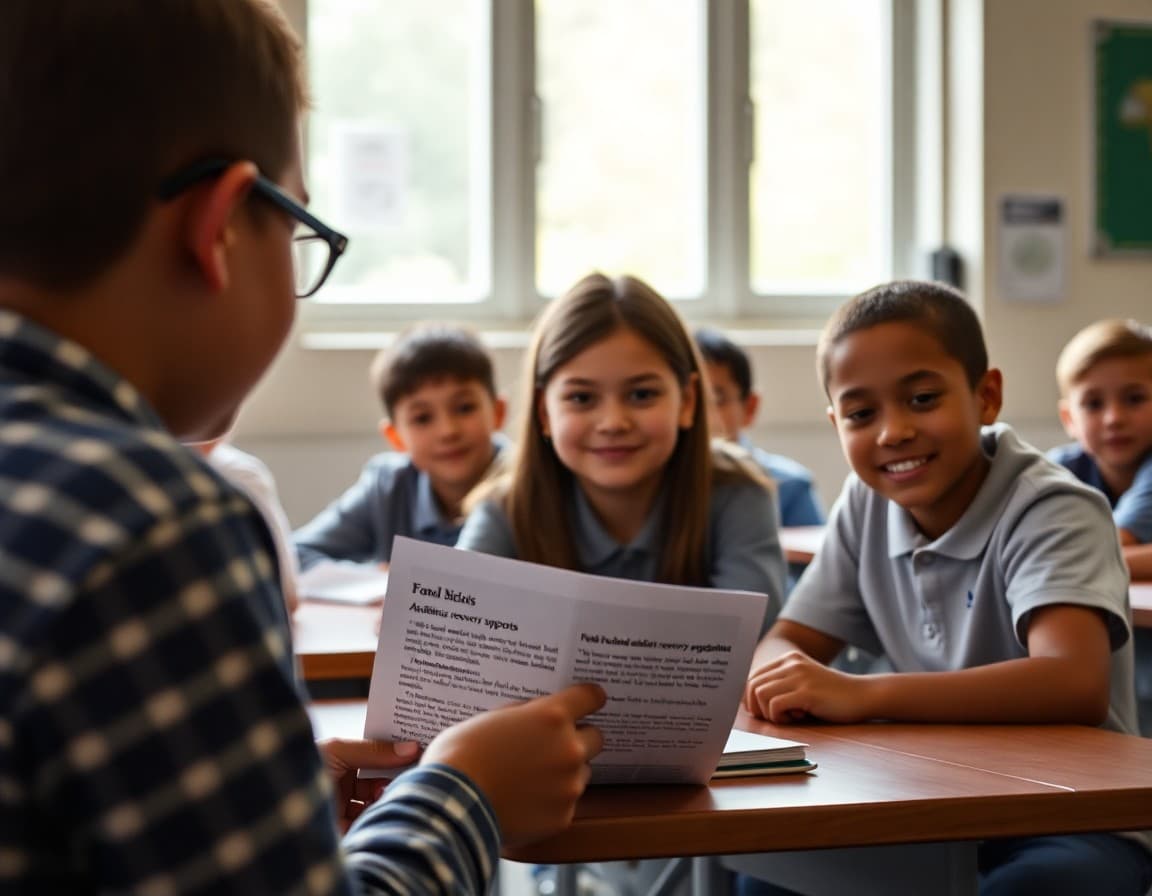
Years after the initial disruption, many schools are still working through the academic and emotional effects of pandemic-era learning. Families deserve regular, honest updates about where students are and what the school is doing about it. That communication does not require perfect outcomes, just transparency and a clear plan.
Acknowledge the Reality Without Catastrophizing
Parents know that school was disrupted. Avoiding the topic in your newsletters does not protect anyone, it just leaves families filling in the gaps with their own assumptions. A straightforward acknowledgment works better: "Many students in our school are still catching up on skills that were harder to develop during remote learning, and we have restructured some of how we teach this year to address that." That sentence is honest, non-alarmist, and signals that you have a plan.
Describe What Recovery Actually Looks Like in Your Classroom
Generic language about "closing gaps" tells parents nothing useful. Describe your specific approach. Are you running small groups focused on foundational reading skills? Using targeted math intervention during a dedicated block? Adjusting the scope and sequence to prioritize certain skills before others? Concrete descriptions help families understand what their child's day looks like and why.
Name the Social-Emotional Piece
Academic recovery does not happen in isolation from emotional recovery. Many students are still working through anxiety, motivation challenges, and social difficulties that were shaped by years of disrupted learning. Your newsletter should name this connection and describe what your school offers for emotional support: counselor availability, restorative circles, advisory periods, or whatever is actually in place. Naming the support reduces the stigma around asking for it.
Show Genuine Progress
Parents need evidence that the recovery work is actually working. Share what you are seeing, without violating privacy: "Our reading intervention group has made measurable progress in fluency over the past eight weeks" or "Students who were below grade level in September are now meeting more of the benchmark criteria." That kind of update sustains parental investment and demonstrates that the extra effort is paying off.
Tell Families What They Can Do at Home
Some families want to help but assume the school has it handled. Others are already running their child through worksheets and creating anxiety. Your newsletter can calibrate both. The most effective home support for academic recovery is consistent reading, low-pressure practice conversations, and enough sleep. Tell parents that directly. It gives them a useful job and removes pressure to do something more intense.
Address the Long View
Parents sometimes worry that gaps from the pandemic will follow their child forever. Your newsletter can provide perspective without false reassurance. Research consistently shows that students who receive targeted, well-designed intervention catch up. The timeline depends on the student and the support, but the direction of progress matters more than the current position. That framing gives families a reason to stay engaged rather than feeling hopeless.
Commit to Ongoing Updates
A single newsletter about pandemic recovery is not enough. Tell families you will send regular updates throughout the year about how recovery efforts are progressing and what is changing. Daystage makes it easy to maintain that kind of consistent communication schedule without the newsletters feeling rushed or formulaic. Families who receive regular updates feel like partners rather than bystanders, which makes everything else easier.
Get one newsletter idea every week.
Free. For teachers. No spam.
Frequently asked questions
How honest should I be in a newsletter about pandemic learning gaps?
Be honest about what you are seeing while staying focused on what you are doing about it. Parents can handle candor when it comes with a clear plan. A sentence like 'Many students are working to rebuild reading stamina that was disrupted during remote learning, and here is how we are addressing that' is honest and constructive.
What should I avoid saying in a pandemic recovery newsletter?
Avoid deficit framing that makes students or families feel blamed. Do not compare your students to pre-pandemic averages in a way that emphasizes failure. Focus forward: what are you doing now, what are you seeing improve, and what can families do to help. Reassurance is not the same as denial.
How do I address mental health alongside academic recovery?
Acknowledge that the emotional and academic effects of the pandemic are connected. A brief section on social-emotional support, with specific resources available at your school, shows families you understand the full picture. Include the name of the school counselor and when students can access support.
What supports should I highlight in a recovery newsletter?
Highlight tutoring programs, small-group instruction, after-school or Saturday school options, summer learning opportunities, and any additional staffing or resources your school has added. Even if families already know about these, naming them in the newsletter serves as a reminder and reduces the barrier to asking for help.
What tool helps schools send consistent recovery update newsletters to families?
Daystage is built for school newsletter communication. You can send regular updates to all families or targeted messages to specific groups, with formatting that looks professional without requiring design skills. Consistent communication about recovery efforts builds the trust families need to stay engaged.

Adi Ackerman
Author
Adi Ackerman is a former classroom teacher and curriculum writer with 8 years in K-8 schools. She writes about school communication, parent engagement, and what actually works in real classrooms.
More for Guides
Ready to send your first newsletter?
3 newsletters free. No credit card. First one ready in under 5 minutes.
Get started free