
New School Year Communication Plan: The First 30 Days of Parent Outreach
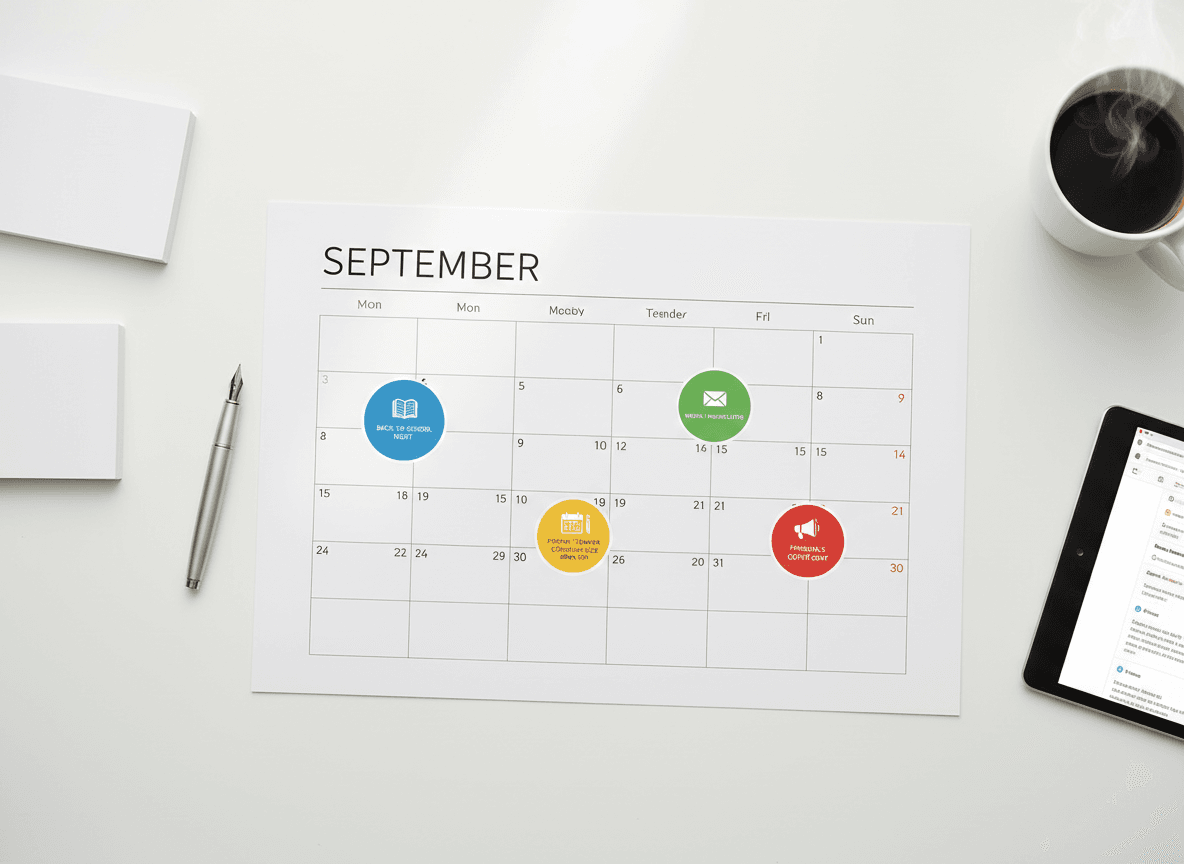
The habits parents form in the first month of school are hard to change. A parent who opens every communication in September is a parent who opens communications in April. A parent who ignores the first newsletter is a parent who ignores the eighth. How you show up in the first 30 days determines how engaged your parent community will be for the rest of the year.
What to communicate before school starts
The first communication of the year should go out before the first day. This is not the classroom newsletter. It is an introductory message: who you are, what your classroom is like, and what parents can expect from you this year.
Keep it brief. Three to four short paragraphs is enough. Cover: your name and a one-sentence background, what the class will focus on this year, how and when you will communicate with families, and how to reach you with questions. Include the newsletter sign-up if parents are not already subscribed.
This message does two things: it introduces you before parents have formed any impression, and it sets expectations for communication so parents know what is coming. Teachers who send this message before school starts start the year with warmer parent relationships than those who introduce themselves on the first day.
Touchpoint 1: Meet-the-teacher
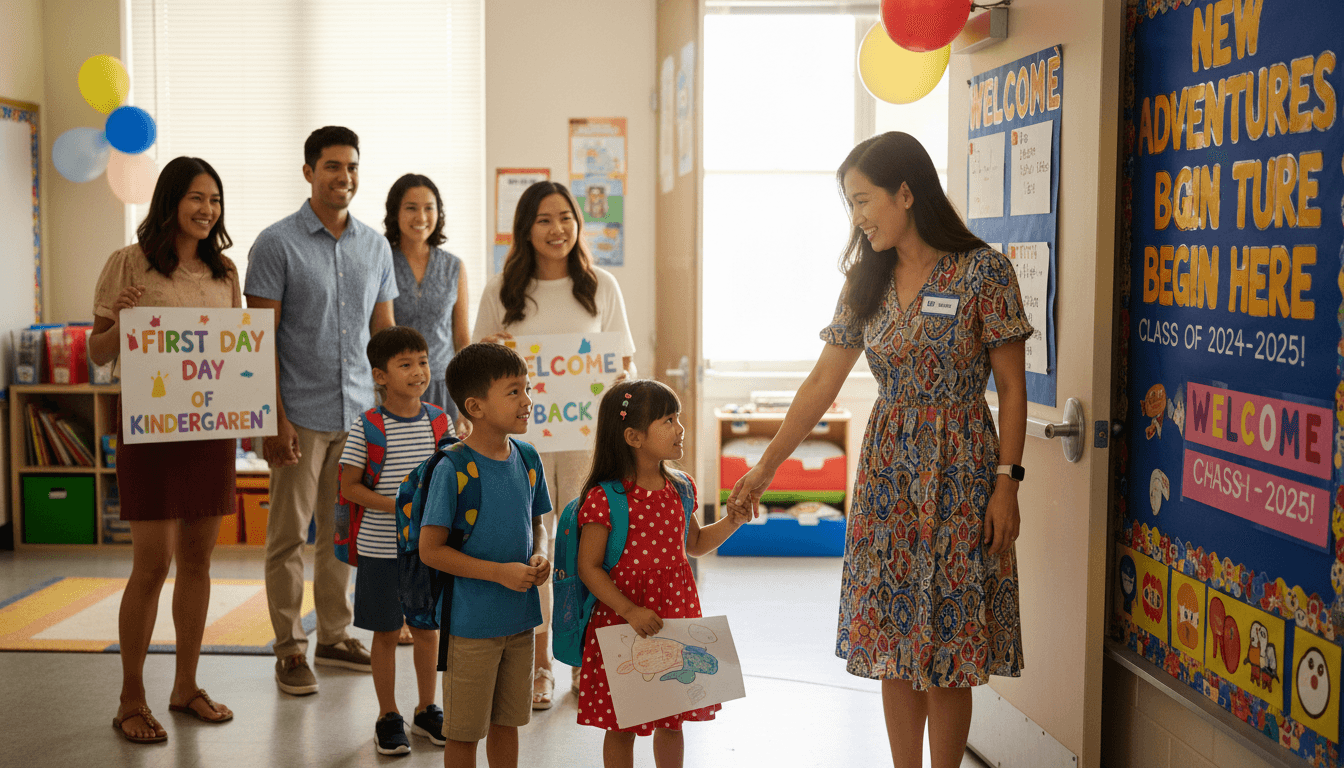
Whether this is a formal back-to-school night, an open classroom event, or a brief hallway introduction during drop-off, the meet-the-teacher moment is your highest-leverage communication of the year. Parents who have seen your face and heard your voice read your newsletters differently than parents who only know you as a name in an email header.
During this event, mention the newsletter directly. Tell parents when it arrives, what is in it, and that they should look for it in their inbox on the day you send it. If possible, show an example issue so parents know what format to expect. This reduces the "I don't remember signing up for this" response when the first newsletter arrives.
Touchpoint 2: First week recap
At the end of the first week, send a short recap. This is not the weekly newsletter yet. It is a pulse check: a brief message that tells parents how the first week went, highlights one or two things the class did, and reminds them of anything coming up in week two.
The first-week recap accomplishes something no subsequent newsletter can: it tells parents what you noticed in the first few days. That specificity builds credibility. Parents trust teachers who observe carefully and communicate what they see.
Keep it under 200 words. This is not the place for long explanations. Just a warm, specific note that shows parents you are paying attention.
Touchpoint 3: First full newsletter
The first official newsletter of the year should go out in the second or third week of school, once you have settled into the classroom routine. This newsletter establishes the template, the tone, and the structure that every subsequent newsletter will follow.
This issue matters more than any other single issue during the year because it is the reference point parents use to judge all future newsletters. Make it clean, specific, and complete. Include your section structure exactly as it will appear every week. Use your school colors and logo. Write the opening paragraph in the voice you intend to maintain all year.
Daystage's template system is useful here because whatever you build in this first issue can be duplicated as the starting point for every newsletter going forward. The structure locks in from the start.
Touchpoint 4: First event
The first event of the year (back-to-school night, curriculum night, a classroom activity) is an opportunity to close the loop on your communication plan. Before the event, the newsletter announced it. During the event, you reinforce the communication channel. After the event, send a brief follow-up that thanks families for attending and captures anything important that was discussed.
This post-event message is often skipped, but it is valuable for two reasons: it gives parents who could not attend a summary of what they missed, and it demonstrates that the newsletter is a two-way communication channel, not just a broadcast.
Tone shift: summer to active school year
The tone of August communication is different from the tone of October communication. August and early September warrant a warmer, more welcoming tone: introductions, expectations, and what the year will look like. By October, parents have settled into the school year routine and the newsletter can shift toward the practical: what is happening this week, what is coming up, what parents need to do.
Teachers who maintain a warm introductory tone all year often produce newsletters that feel long because they spend too much space on context and relationship-building in every issue. The relationship is already established by November. The newsletter should assume it.
Common first-month mistakes
These patterns come up repeatedly in the first month of school and are worth actively avoiding:
- Waiting until mid-September to send the first communication, leaving parents uninformed during the highest-anxiety period of the school year
- Sending too many messages in the first week, which trains parents to ignore future messages as low-priority
- Not establishing the newsletter format in the first issue, making it harder to build the consistent structure that parents rely on later
- Using a different communication tool each week in September (email, then Remind, then the school app), which fragments attention and makes it unclear where to look
- Skipping the meet-the-teacher introduction and going straight to information-heavy newsletters without having built any personal connection
The 30-day goal
By the end of the first month, parents should know: who you are, how and when you communicate, what the newsletter contains, and that you are paying attention to their child's classroom. If those four things are true, the rest of the year is a continuation of a relationship rather than an ongoing introduction.
The first 30 days are an investment with a year-long return. Put the effort in early and the communication becomes easier, more effective, and more trusted with every issue you send.
Get one newsletter idea every week.
Free. For teachers. No spam.
Frequently asked questions
When should teachers start their back-to-school parent communication plan?
Start 1 to 2 weeks before school begins. A pre-school welcome email establishes contact, gives parents your communication channels, and reduces first-day anxiety. Teachers who wait until the first day of school miss a window when parents are actively seeking information and most receptive to being organized.
What should a new school year parent communication plan include in the first 30 days?
Include a pre-school welcome, a meet-the-teacher message, a first-week recap newsletter, at least one event or action item communication, and a check-in on how parents prefer to be reached. These 5 touchpoints cover the most critical relationship-building moments of the school year.
How often should teachers communicate with parents in the first month of school?
Communicate at least weekly for the first 4 weeks. New families need more touchpoints early in the year to build trust and understand how your classroom works. Weekly contact in September establishes the habit for both the teacher and the parents before the year gets busy.
What are common first-month mistakes teachers make with parent communication?
Sending too much information in a single communication is the most common mistake. Parents of new students are already processing a lot in September. Dense emails with 10 items compete with each other for attention. Spread important information across multiple shorter contacts rather than front-loading everything into the first newsletter.
What is the best tool for teachers who want to plan and send back-to-school parent newsletters efficiently?
Daystage lets you build your first newsletter template once and duplicate it each week with updated content. For the first month, you can set up the structure in advance so each send only requires filling in that week's specifics rather than rebuilding from scratch.

Adi Ackerman
Author
Adi Ackerman is a former classroom teacher and curriculum writer with 8 years in K-8 schools. She writes about school communication, parent engagement, and what actually works in real classrooms.
More for Guides
Ready to send your first newsletter?
3 newsletters free. No credit card. First one ready in under 5 minutes.
Get started free