

Common Core Newsletter for Parents: What the Standards Mean
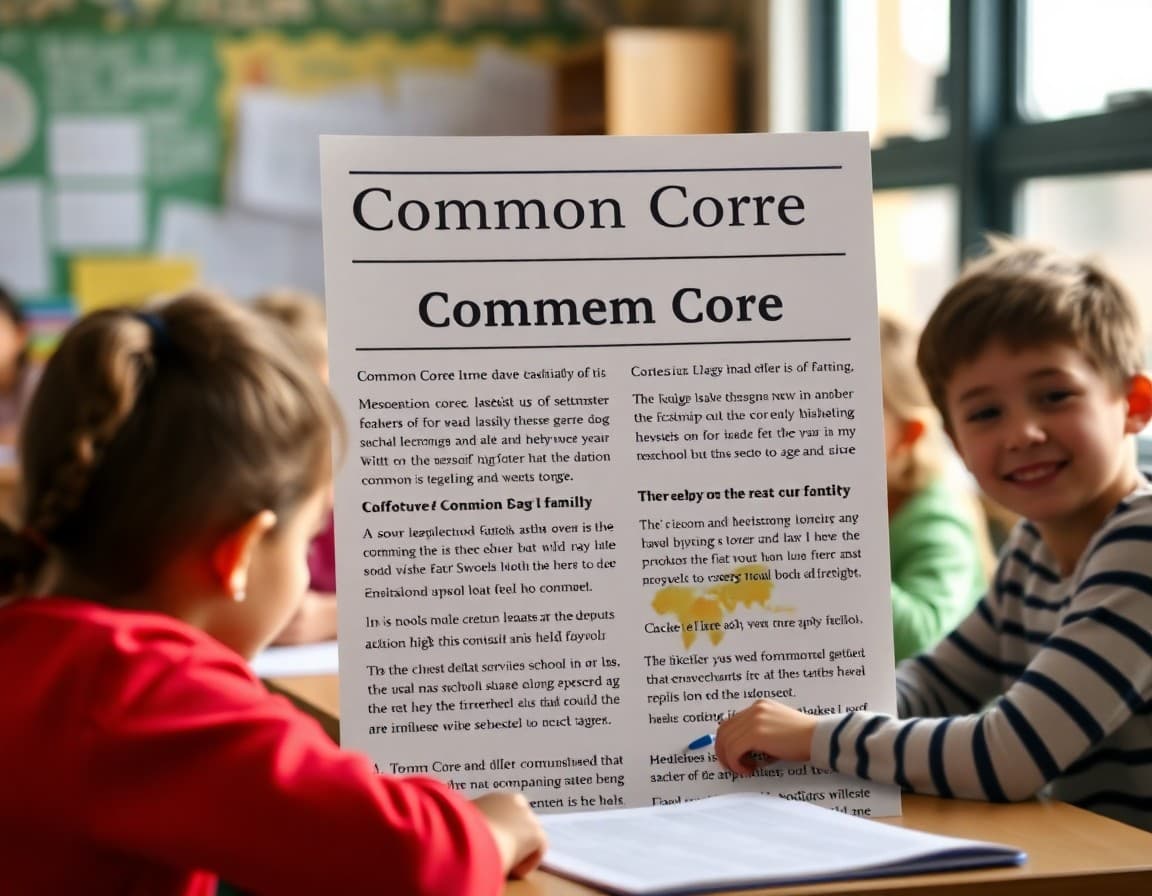
Parents who grew up doing long division one way look at their child's homework and feel lost. That disconnect creates anxiety, and anxiety creates questions you field in the hallway, via email, at conferences. A well-written newsletter about Common Core standards can cut that confusion before it builds.
Start With What Parents Care About Most
Parents do not need a history of the standards movement. They need to know one thing: will this help my child? Open your newsletter by answering that question directly. Something like: "This semester your child is learning to think through math problems in multiple ways. The goal is understanding, not just speed. Here is what that looks like at home." That frame keeps parents reading instead of getting defensive.
Translate Educator Language Into Plain Sentences
Terms like "conceptual understanding," "number sense," and "close reading" mean something specific to educators. To most parents they mean nothing. Before you write a word, read your draft as if you graduated high school ten years ago and never took an education course. Swap jargon for concrete descriptions. Instead of "building number sense," write "learning to break numbers apart and put them back together so addition is faster and more flexible."
Use a Before-and-After Example
The fastest way to explain Common Core math is to show two approaches to the same problem. Show the traditional algorithm and then show the strategy your students are learning. Make clear both get the right answer. Parents who see that usually relax. They were worried their child was being taught something wrong, not something different.
Give Parents One Thing They Can Do Tonight
Every newsletter about academic content should end with a specific action. Not a vague suggestion like "talk to your child about math." Something they can actually do: "Ask your child to show you two different ways to solve 47 plus 38. You might be surprised what they know." That kind of prompt turns passive readers into engaged partners.
Address the Homework Frustration Directly
If families are struggling with homework because the methods look unfamiliar, say so in your newsletter. Tell parents it is okay not to know the strategy and that the best support is asking their child to explain their thinking rather than correcting the method. That reframe takes pressure off both parent and child. You can add a short template parents can use: "Walk me through how you solved that. What were you thinking first?"
Connect Standards to Real Life
Show parents where the standard shows up outside school. Common Core literacy standards around evidence and argument connect directly to reading news critically and evaluating claims. Math standards around proportional reasoning connect to cooking, budgeting, and measurement. When parents see relevance, the standards feel less abstract and more worth supporting.
Invite Questions Without Opening Floodgates
End your newsletter with a clear invitation for follow-up, but make it specific. Instead of "feel free to reach out," try "if you have questions about what your child is working on in math this month, reply to this email or stop by Tuesday morning drop-off." Specificity keeps the conversation focused and manageable. Daystage newsletters track open rates, so you can follow up with families who never opened the message at all.
Keep the Tone Confident and Calm
Parents pick up on uncertainty. If your newsletter sounds like you are defending the standards, families will assume there is something to defend against. Write from a place of genuine confidence in what your students are learning. You have seen it work. Share that. A newsletter that says "here is what I am watching your child get better at" is far more persuasive than one that explains why the standards were adopted.
Get one newsletter idea every week.
Free. For teachers. No spam.
Frequently asked questions
How do I explain Common Core math to parents who learned differently?
Focus on the goal, not the method. Tell parents that students are learning to understand why math works, not just memorize steps. Use a quick before-and-after example showing how both approaches get to the same answer. Reassure them that their child can still use the method that clicks for them on homework.
How often should I send newsletters about academic standards?
Once per semester is usually enough for a deep-dive on standards. Throughout the year, weave short standard-related updates into regular newsletters. A one-paragraph note like 'This month in math we are starting fractions' keeps parents informed without overwhelming them.
What do parents actually want to know about Common Core?
Parents mostly want to know how to help their child at home. Focus your newsletter on specific, actionable support strategies rather than policy history or test data. Tell them what their child is working on right now and what a productive homework session looks like.
Should I address controversy around Common Core in my newsletter?
Acknowledge that some families have concerns and that questions are welcome. You do not need to defend or critique the standards politically. Stick to what is happening in your classroom, what students are learning, and how families can support that learning at home.
What tool makes it easy to send parent newsletters about academic topics?
Daystage lets teachers write and send parent newsletters without needing design skills. You can include text, images, and links, then send directly to parent emails. It tracks who opened the newsletter so you know which families may need a follow-up conversation.

Adi Ackerman
Author
Adi Ackerman is a former classroom teacher and curriculum writer with 8 years in K-8 schools. She writes about school communication, parent engagement, and what actually works in real classrooms.
More for Guides
Ready to send your first newsletter?
3 newsletters free. No credit card. First one ready in under 5 minutes.
Get started free