

May Newsletter Ideas for Teachers: Content That Closes the Year Well
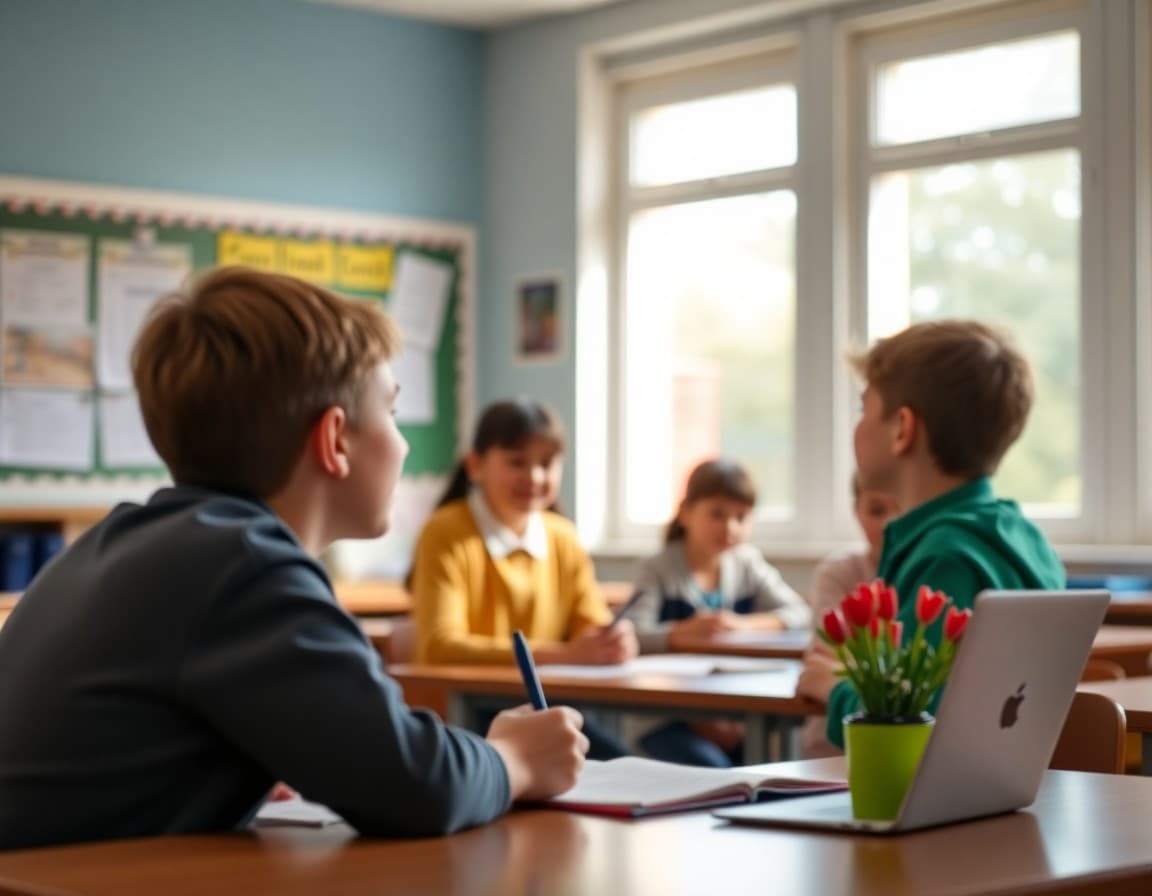
May is one of the most emotionally charged months in the school calendar. Students are both eager for summer and genuinely sentimental about leaving their class. Families are similarly split between logistics and reflection. A May newsletter that acknowledges both the practical and the emotional dimensions of the end of the year serves families in a way that purely logistical end-of-year communication does not.
Reflect on What the Class Accomplished
The most memorable section of any May newsletter is a genuine reflection on what this specific class accomplished together this year. Not a generic list of units covered, but a specific acknowledgment of growth: what students could not do in September that they can do now, a challenge the class overcame together, a project that produced particularly strong work, or a moment that stood out in the life of the class. This reflection takes time to write but is what families remember and sometimes keep.
Upcoming End-of-Year Events
May is full of events: field trips, class parties, talent shows, moving-up ceremonies, and the last day of school. A clean, complete list of upcoming events with dates, times, and what families need to do (send in money, bring snacks, come for pickup at a different time) is genuinely useful and prevents last-minute scrambles. Put this section early in the newsletter so busy families find it quickly.
Summer Reading Suggestions
May is the ideal time to plant seeds for summer reading before families have finalized their summer plans. Include five to eight specific title recommendations appropriate for your grade level, a brief description of each, and a note about how to find them at the local library or on free reading platforms. A summer reading challenge with a simple tracking sheet that families can print, or a link to the local library's summer reading program, gives students a structure for sustaining their reading into the summer months.
Student Work Showcase
If you have been working toward a final project or portfolio, May is the month to preview it in the newsletter. A brief description of what students are creating, a photo of work in progress, and the date of any showcase or exhibition gives families something to look forward to and something to ask their child about. Students who know their families are expecting to see their final work are more motivated to put in their best effort.
Supply Return and Classroom Cleanup
End-of-year supply return and classroom cleanup logistics belong in the May newsletter with specific dates and instructions. What needs to come home, what stays, what gets returned to the school, and the deadline for having the classroom cleared are all useful information that prevents the last-week scramble of families discovering their child has six months of artwork stored in the classroom that needs to come home at once.
A Note to Families
Every May newsletter should include a brief personal note to families: a genuine thanks for the partnership during the year, a note about what this particular group of students has meant, and an expression of good wishes for the summer. This is the emotional close that makes the newsletter feel like a real communication from a real teacher rather than a school information packet. Keep it to three or four sentences but make it genuine.
What Comes Next
Include a brief note about what families should expect for the fall: whether they will have the same teacher, how class placement decisions are made, and what the back-to-school timeline looks like. Families appreciate forward-looking information in May because it helps them manage the transition before the summer communication gap begins. Daystage makes it easy to produce a May newsletter that covers all of these dimensions in a clean, celebratory format.
Get one newsletter idea every week.
Free. For teachers. No spam.
Frequently asked questions
What should teachers include in a May classroom newsletter?
Final project updates, upcoming end-of-year events and dates, summer reading suggestions, a reflection on what the class accomplished together, upcoming field trips or celebrations, and any tasks families need to complete before the year ends.
How do you make a May newsletter feel celebratory rather than just logistical?
Include a specific memory from the year, a class achievement worth celebrating, a student quote about what they learned, or a note about how the class has grown. May newsletters that are purely logistical miss the emotional significance of the end of the school year.
What summer learning suggestions work well in May newsletters?
Specific book titles appropriate for the grade level, a reading challenge, local summer programs, free educational websites, and one or two hands-on activities families can do together over the summer. Concrete suggestions outperform general encouragement to 'keep learning.'
How do you celebrate student growth in a May newsletter without embarrassing struggling students?
Focus on class-wide growth rather than individual comparisons. 'As a class, we published 26 pieces of writing this year and every student revised at least three pieces based on peer feedback' celebrates collective achievement without comparing students.
What tool works best for May classroom newsletters?
Daystage makes it easy to include a year-in-review photo section, summer reading links, and end-of-year event announcements in a newsletter format that feels celebratory and memorable.
Adi Adi Ackerman
Guest author
Adi Ackerman is a former classroom teacher and curriculum writer with 8 years in K-8 schools. She writes about school communication, parent engagement, and what actually works in real classrooms.
More for End of Year
Ready to send your first newsletter?
3 newsletters free. No credit card. First one ready in under 5 minutes.
Get started free