
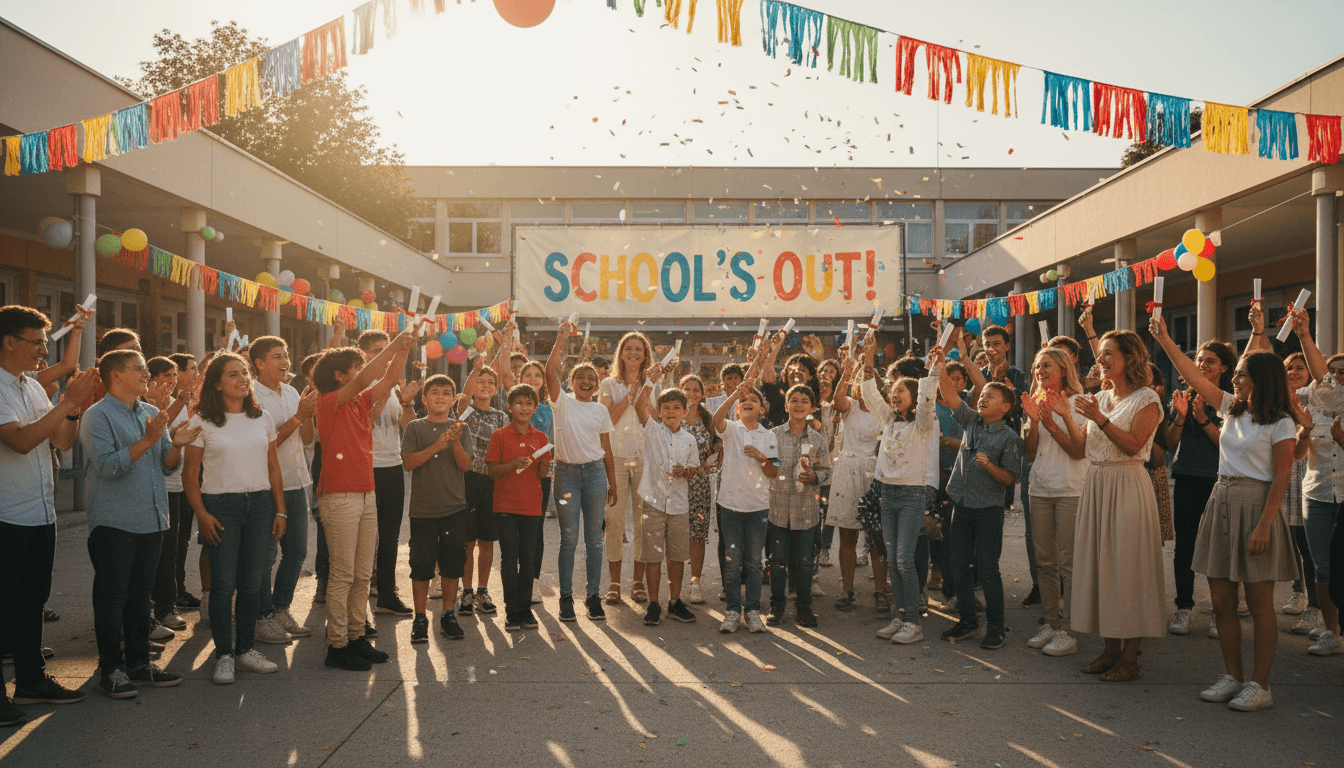
End-of-Year Teacher Newsletter: What to Include and How to Close Strong
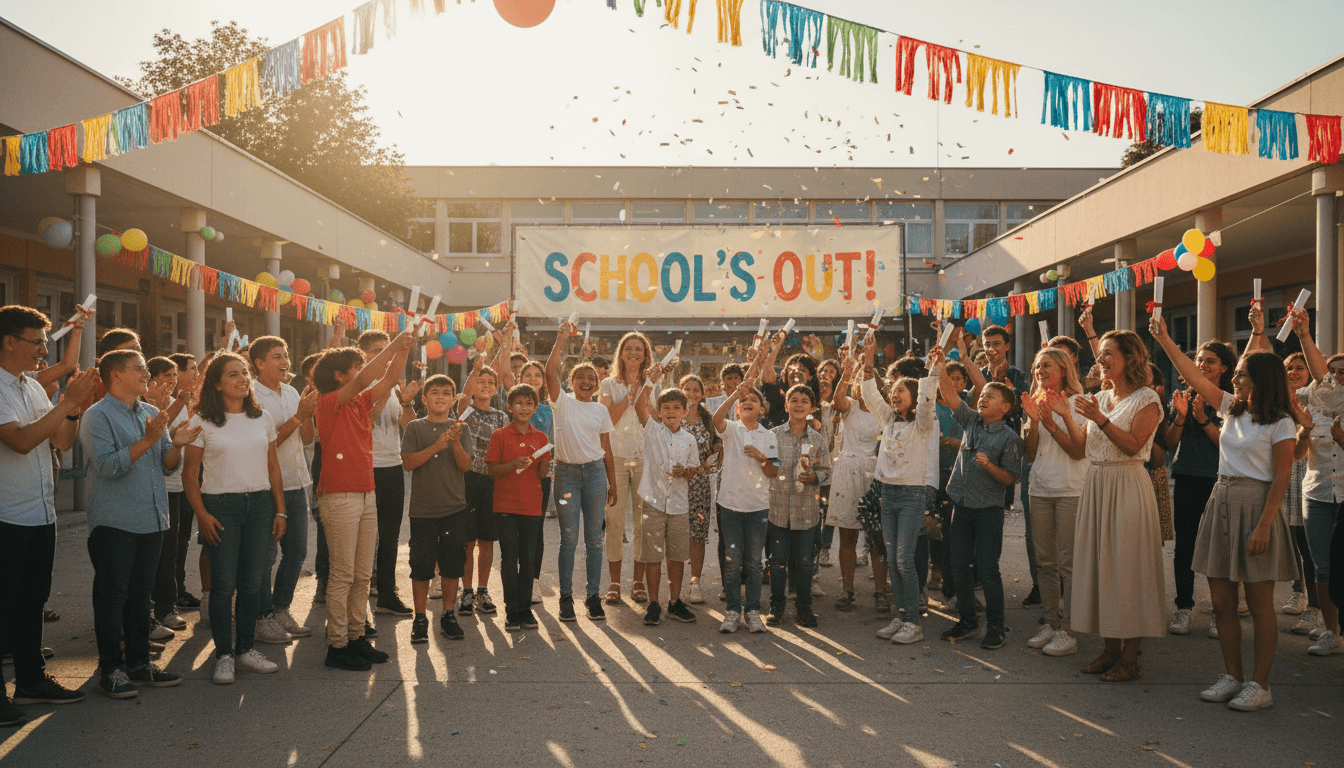
An end-of-year teacher newsletter should cover: what students accomplished this year, summer learning recommendations, any materials or devices to return, and a personal thank-you to families , the most effective end-of-year newsletters are sent in the final 2 weeks of school and include at least one specific student achievement or class highlight to make families feel the year mattered. Not elaborate. Not long. Just clear, warm, and complete.
Here is what to put in it and how to structure it so families actually read it.
Start With the Logistics Families Need Right Now
Before anything else, tell families what they need to know to get through the last week of school. Final day and dismissal time. Any changes to the normal pickup routine. Whether students should bring a bag on the last day for belongings. What time events start if there are end-of-year celebrations.
Families receive a lot of communication in the final weeks of school. They will scan your newsletter for the practical information first. If they have to hunt for it, they will move on. Front-loading the logistics is not unromantic. It is respectful of their time.
Address Supply Returns and Borrowed Materials
Name what needs to come back, when, and in what condition. Library books. Shared calculators. Borrowed headphones. Reading kits. Be specific.
"All library books are due back by Thursday, June 5th. Please check backpacks, nightstands, and under beds. Students who return books late will need to pay replacement fees before receiving their final report card."
Vague reminders like "return any borrowed items" do not produce results. Specific lists with specific deadlines do.
Name What the Class Did This Year
Two to three sentences on what your class actually accomplished. Not curriculum standards. The real things. The book they read together. The science project they built. The moment in November when something clicked for a student who had been struggling.
"This year we read 14 chapter books as a class, made it through the hardest long division unit I have taught in a decade, and built a solar oven in March that actually cooked an egg. I watched every one of your kids become a reader this year. That does not happen every year and it happened this year."
Parents keep these notes. They read them more than once. The specific memory is what gives it weight.
Write a Personal Close
End the newsletter as yourself. Not as the teacher. Not as a role. A sentence or two about what this group of kids meant to you.
You do not have to be sentimental if that is not your style. But the close should feel like it came from a person who spent a year with these families. Because it did.
"This class showed up for each other every single day. That is the thing I will remember most. Enjoy your summer."
Keep the Format Consistent With What You Have Sent All Year
Families recognize newsletters they have seen before. A final-week newsletter that looks exactly like the ones you have been sending since September gets opened because it is familiar. One that looks different, even if it looks nicer, can get mistaken for a school-wide announcement and saved for later.
Use the same template, the same subject line format, the same sending day and time. Familiarity is what gets the end-of-year newsletter read in a week when inboxes are full.
One Subject Line That Works
"Last newsletter of the year: what you need to know + a note from me"
It tells families this is the last one (worth opening), signals there is practical information (worth opening now), and hints at something personal (worth reading to the end). You do not need to be clever. Be clear.
Get one newsletter idea every week.
Free. For teachers. No spam.
Frequently asked questions
When should teachers send the end-of-year newsletter?
Send it the week before the last week of school. That timing gives families enough notice to act on any logistics while the school year is still real to them. A newsletter sent on the last day itself is too late for families to respond to anything in it.
What should an end-of-year teacher newsletter include?
Cover the final schedule and any schedule changes, return-of-supplies logistics, a brief note on what the class accomplished together, and a warm personal close. These four elements handle everything practical and leave families with a good feeling about the year.
How long should a teacher's end-of-year newsletter be?
Keep it under 400 words. Families are busy in June, and a long newsletter will be skimmed or skipped entirely. Say what needs to be said, say it clearly, and stop. A shorter newsletter that gets read is better than a thorough one that does not.
What is the most common mistake in end-of-year newsletters?
Burying the logistics. Teachers often lead with the emotional close and put the schedule details at the bottom. Families need the logistics first. Put the final day, dismissal time, and any changes to pickup procedures at the top before anything else.
Can a tool like Daystage help with end-of-year newsletters?
Daystage lets teachers build the newsletter in a template they have already used all year, so the end-of-year issue looks consistent with everything families have received before. The familiar format gets opened faster because families recognize it.

Adi Ackerman
Author
Adi Ackerman is a former classroom teacher and curriculum writer with 8 years in K-8 schools. She writes about school communication, parent engagement, and what actually works in real classrooms.
More for End of Year
Ready to send your first newsletter?
3 newsletters free. No credit card. First one ready in under 5 minutes.
Get started free