
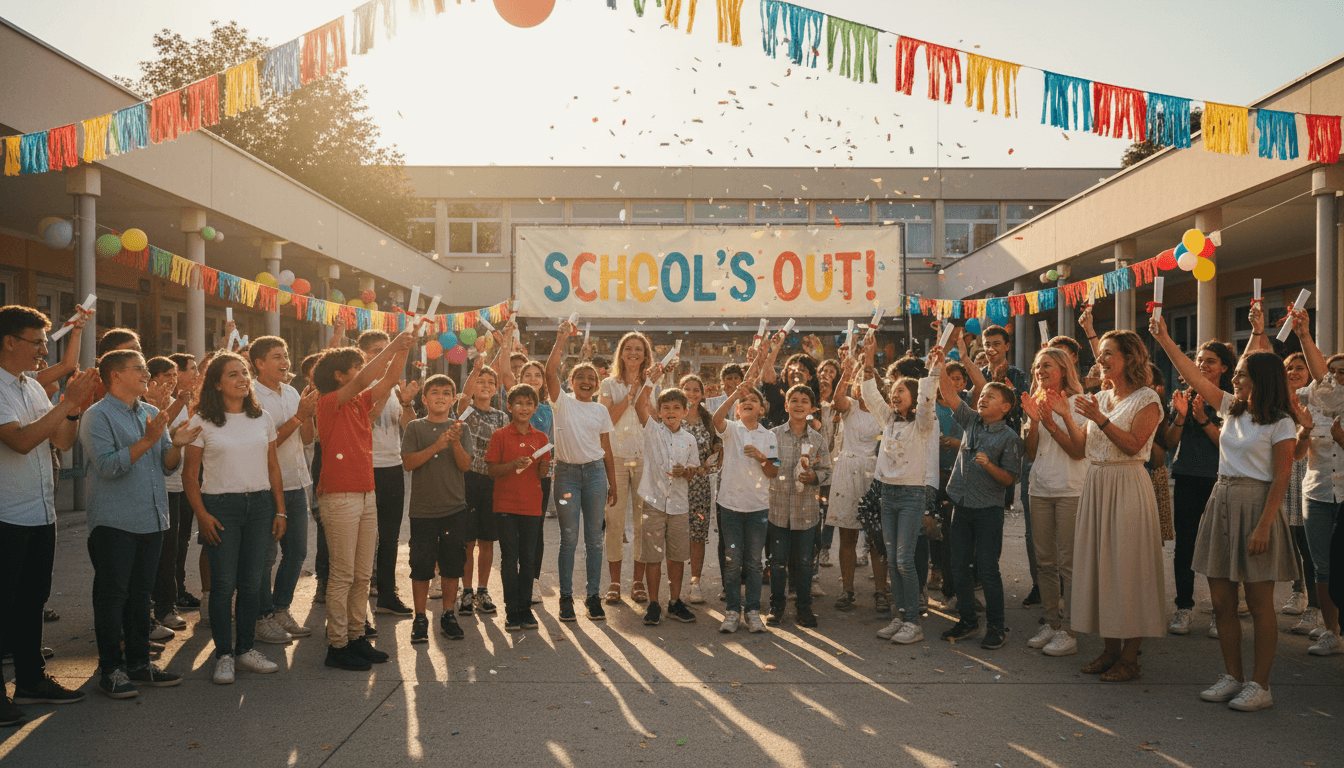
End-of-Year Newsletter for Pre-K Families
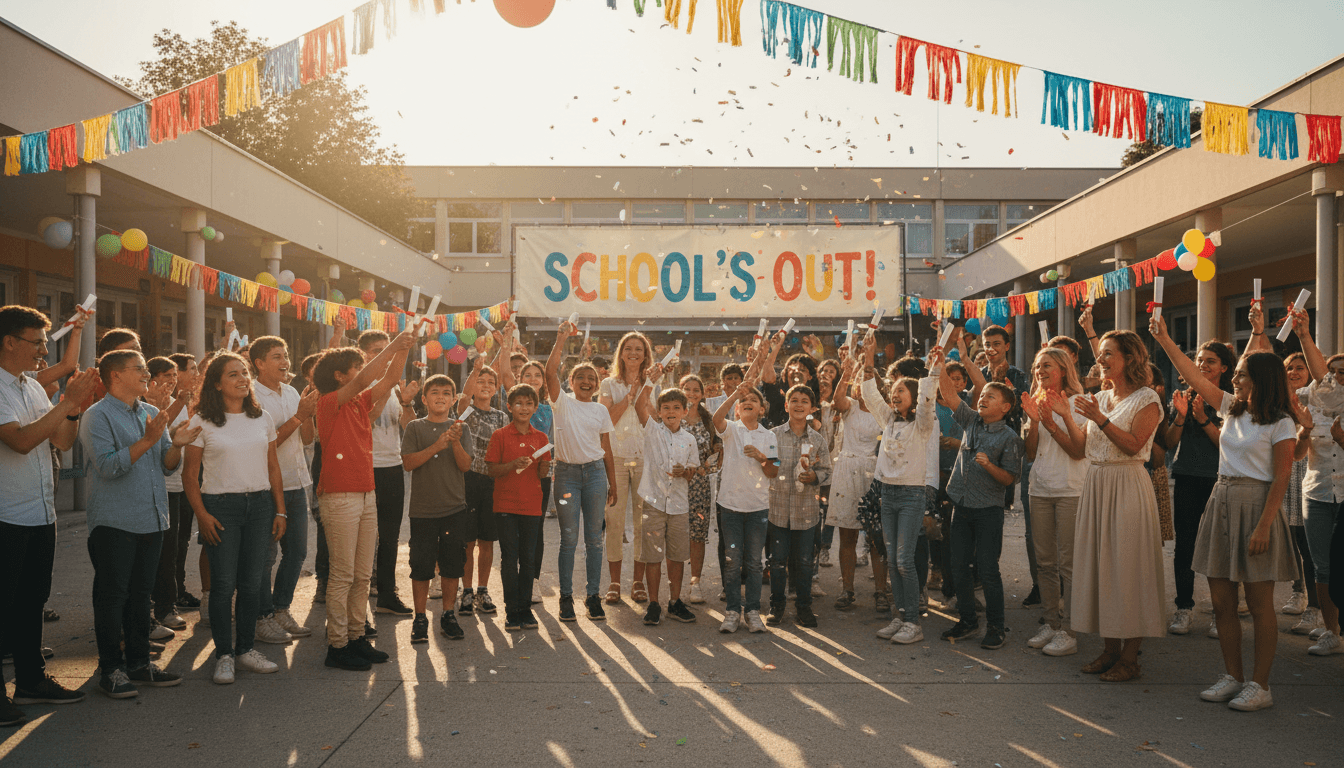
For most pre-K families, this is the end of their child's very first school year. They are proud, they are anxious about kindergarten, and they want to know they did right by sending their four-year-old to school this year.
The end-of-year newsletter for pre-K families has to do a specific kind of emotional work. Here is how to write it.
Acknowledge That This Is the End of Something Real
Pre-K is often where the parent-school relationship begins. Many of these families just spent a year learning how school works, how to communicate with teachers, and how to support their child's learning. That is a lot. Name it.
"This was your child's first school year. Not everyone remembers their pre-K year, but the way they experience school now, whether it feels safe and exciting or scary, comes from this year. You made it through September. That is real."
Families who feel seen in the first paragraph read the rest.
Describe What Your Child Learned This Year
Pre-K learning is sometimes invisible to families who only see the art projects. Help them understand the developmental work that happened.
"In September, most students needed a teacher nearby to manage frustration and disagreement with peers. By June, the majority of students resolve conflicts independently. That is not a small thing. Learning how to be in a group with other people is the foundational skill that makes all of school work."
Parents who understand what their child actually learned this year feel confident about kindergarten. Parents who only remember the painting projects are not sure if anything "academic" happened.
Address Kindergarten Readiness Honestly
Tell families what kindergarten actually expects and how their child's pre-K experience prepared them for it. Not a generic reassurance. What specifically will carry over.
"Kindergarten assumes children can sit for short periods of structured activity, follow a two-step direction, take turns in a group, and manage their belongings independently. Your child has been doing all of these things since March. The academics build quickly in kindergarten, but the social foundation is what they will need most in September."
Give One Specific Summer Recommendation
The most important summer recommendation for pre-K families is maintaining a consistent morning routine. Kindergarten starts earlier and operates on a stricter schedule than most pre-K programs. Children whose summer involved some structure adjust to kindergarten mornings faster than children who slept late every day until Labor Day.
"If I could give one summer recommendation, it is to keep a consistent morning wake-up time, even on vacation days when possible. Getting up at roughly the same time every morning makes the first week of kindergarten much easier. That is the whole recommendation."
One thing. Specific. Explained. That is a recommendation families can use.
Close With Something Personal
Pre-K teachers develop a unique relationship with their class. Four and five-year-olds are completely unguarded with the adults they trust. You have seen things about these children that their families will not see again until their kids are teenagers. Close the newsletter that way.
"I have spent more hours this year watching people grow than I can count. Your children are remarkable, each for completely different reasons. Kindergarten is going to be lucky to get them."
Get one newsletter idea every week.
Free. For teachers. No spam.
Frequently asked questions
When should pre-K teachers send the end-of-year newsletter?
Send it two weeks before the last day of school. Pre-K families are often the most anxious about the transition and need time to process the news, ask questions, and prepare their child for the change. A newsletter sent the week of the last day does not leave enough time for families to follow up.
What do pre-K parents most want to know at the end of the year?
Whether their child is ready for kindergarten, what kindergarten will be like, and what they can do over the summer to support the transition. These three questions appear in almost every end-of-year pre-K parent conversation. Answering all three in the newsletter reduces parent anxiety significantly.
How should a pre-K end-of-year newsletter address kindergarten readiness?
Speak to the group unless a child has already been separately identified for additional support or a transition program. One honest, warm paragraph about what the class built this year and what kindergarten will build on it is enough. Avoid the phrase 'kindergarten ready' without context, as parents interpret it differently.
What should a pre-K newsletter say about summer routines?
Short, specific, and reassuring. The single most effective summer recommendation for pre-K families is maintaining a consistent morning routine so the adjustment to kindergarten's schedule is not a shock in September. Name it specifically and explain why.
How does Daystage help pre-K teachers send end-of-year newsletters?
Pre-K teachers use Daystage to write and send the end-of-year newsletter in the same format families have received all year, then save it as a template for next year. The familiarity of the format means the end-of-year letter does not feel like a surprise one-off message.

Adi Ackerman
Author
Adi Ackerman is a former classroom teacher and curriculum writer with 8 years in K-8 schools. She writes about school communication, parent engagement, and what actually works in real classrooms.
More for End of Year
Ready to send your first newsletter?
3 newsletters free. No credit card. First one ready in under 5 minutes.
Get started free