
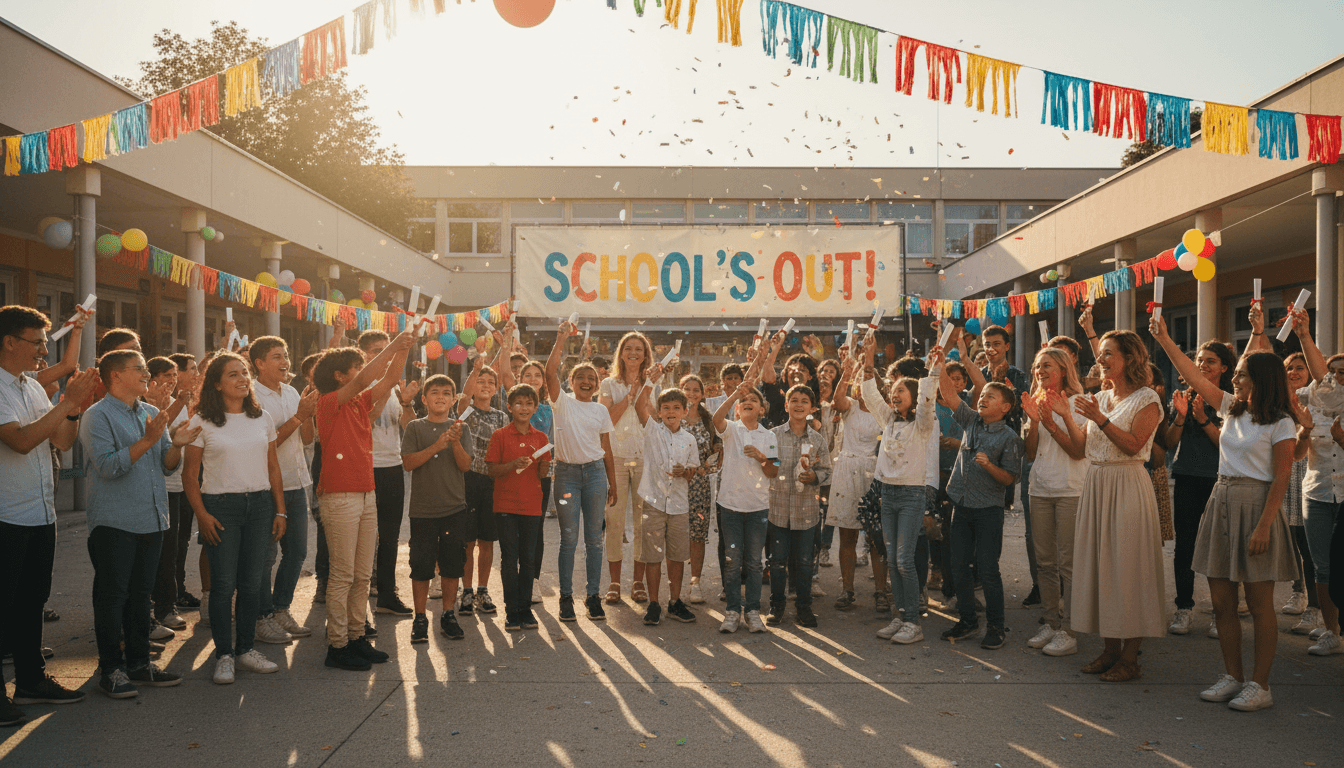
End-of-Year Newsletter for Middle School Families
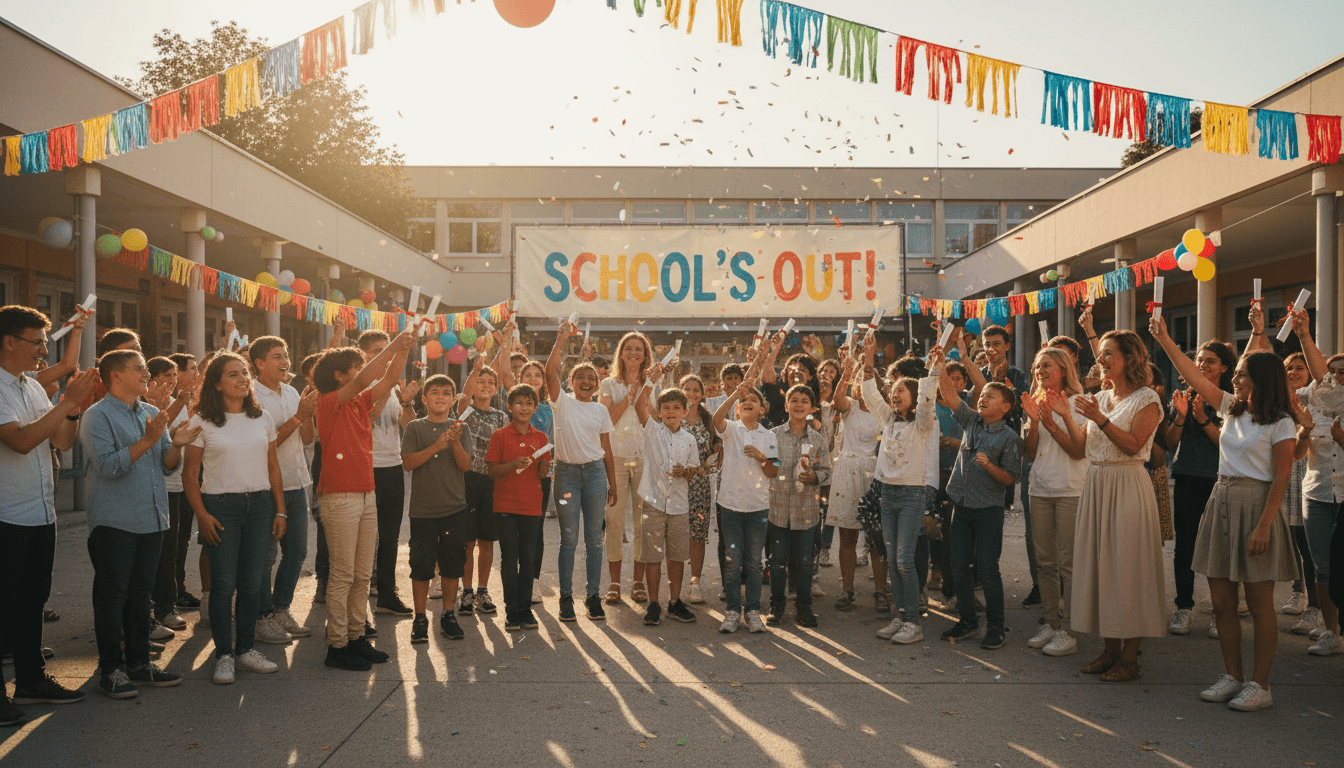
Middle school end-of-year newsletters do more work than elementary ones. The logistics are more complex. The students are more independent. The transition questions are different for a sixth-grader heading into seventh grade than for an eighth-grader heading into high school.
Here is how to write one that actually serves the families who read it.
Address the Exam and Grade Timeline First
Most middle school families are reading the end-of-year newsletter with exam season either happening or just concluded. Put the grade and report card timeline at the top.
"Final exams are June 5th and 6th. Report cards will be available through the parent portal on June 14th. Paper copies will go home the last day of school, June 13th."
Middle school parents often track grades more closely than elementary families because grades are starting to matter for course placement. Give them the exact timeline.
Cover Locker Cleanout and Materials Return
Middle school locker cleanout is a specific event with a specific window. Name the day, whether it is during homeroom or a designated period, and what to do with items.
"Locker cleanout is Friday, June 12th during periods 1 and 2. Students should bring a bag. Unclaimed items will be donated after June 14th. Textbooks must be returned to the main office by June 11th to avoid replacement fees."
Specific. Logistical. Actionable. Middle schoolers who know the exact window are much more likely to handle it than middle schoolers who receive a vague reminder.
Separate Messaging for Eighth Grade
Eighth-graders and their families have a different set of concerns than sixth and seventh-graders. High school registration, orientation dates, credit transfers, summer enrichment programs. If your newsletter goes to all middle school grades, add a clearly labeled section for eighth-grade families.
"For families of students entering high school: orientation is August 19th. Course schedules will be mailed home August 5th. Contact [name] with any questions about credit placement before July 15th."
Acknowledge the Student Directly
Middle schoolers read newsletters. Write at least one sentence that speaks to them, not around them.
"To our students: you handled a harder year than you will probably give yourself credit for. Enjoy the break. You earned it."
Students who feel seen in a school newsletter carry that relationship into next year. Families who see their child acknowledged directly feel the school knows their kid as a person, not just a record.
Close With the Fall Back-to-School Timeline
Middle school families want to know when they will hear about next year's schedule, teacher assignments, and fall orientation. Give a brief preview before summer starts so they know what to watch for.
"Course schedules for next year will be mailed home August 5th. Fall orientation for incoming sixth-graders is August 20th. The first day of school is September 3rd. Have a good summer."
That closing section is small but it does real work: it makes September feel planned rather than sudden and gives families a mental handoff from the end of this year to the start of the next.
Get one newsletter idea every week.
Free. For teachers. No spam.
Frequently asked questions
How is a middle school end-of-year newsletter different from an elementary one?
Middle school newsletters address families who are less involved in day-to-day school life and students who are increasingly managing their own information. The tone is slightly more peer-level. The logistics are more complex (lockers, multiple teachers, credits, electives) and need to be explained clearly.
What should a middle school end-of-year newsletter include?
Final exam schedule and results timeline, locker cleanout procedures, summer school information if applicable, course selection confirmation for next year, supply fee or registration details, and a brief acknowledgment of the year from the principal or grade-level team.
Should middle school newsletters be addressed to parents or to students?
Address them to families, but acknowledge students directly in the content. Middle schoolers often read newsletters before their parents do. A newsletter that speaks entirely over their head, as if they are not part of the audience, misses an opportunity to communicate directly with a student who is old enough to handle it.
What do middle schools often leave out of end-of-year newsletters?
Course credit information. Middle school families who are starting to think about high school graduation requirements want to know which credits their child earned this year and what the implications are. A sentence on where to find that information prevents a lot of summer questions.
How does Daystage help middle schools manage end-of-year newsletters?
Middle schools with multiple grade levels use Daystage to send grade-specific newsletters to sixth, seventh, and eighth-grade families separately, so each family receives the transition information relevant to where their child is going next, not a one-size communication for the whole school.

Adi Ackerman
Author
Adi Ackerman is a former classroom teacher and curriculum writer with 8 years in K-8 schools. She writes about school communication, parent engagement, and what actually works in real classrooms.
More for End of Year
Ready to send your first newsletter?
3 newsletters free. No credit card. First one ready in under 5 minutes.
Get started free